Advertisement










When should a housing society in Mumbai start considering re...
From GST on JDAs to SEBI’s REIT reclassification and the S...
Stay ahead in the world of real estate with our daily podcas...
Stay ahead in the world of real estate with our daily podcas...
Jawaharlal Nehru Port Authority (JNPA) has achieved a major milestone by crossing 100 million metric tonnes (MMT) in total cargo handling and surpassing 8 million TEUs in container traffic during the current financial year. This performance highlights the port's operational strength and growing role in India's trade network. Alongside this, a new shipping service connecting India with key Middle East ports has been launched, aimed at improving reliability and supporting exporters and importers amid changing global trade conditions.
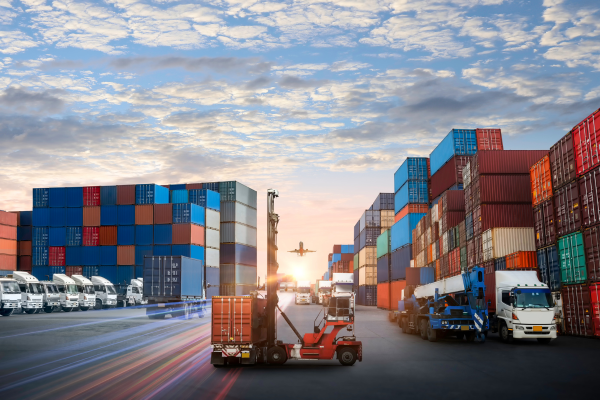
Jawaharlal Nehru Port Authority (JNPA), the country's leading container port, has recorded its highest-ever cargo handling performance in the current financial year, crossing 100 million metric tonnes (MMT) in total throughput. At the same time, container traffic at the port has gone beyond 8 million TEUs, marking a significant operational achievement. Advertisement


The milestone reflects steady growth in cargo volumes and improved efficiency across terminals. The port authority stated that this performance was supported by coordinated efforts between terminal operators and its workforce, along with continued focus on operational improvements.
Chairman Gaurav Dayal noted that crossing both the 8 million TEUs benchmark and 100 MMT throughput showed the resilience and efficiency of the port ecosystem, adding that all stakeholders played a key role in achieving this outcome. He further indicated that JNPA will continue to strengthen infrastructure and improve ease of doing business, in line with India's larger goal of becoming a global maritime hub.
The port's cargo profile continues to remain largely gateway-driven, meaning it primarily handles cargo linked directly to domestic imports and exports. However, transhipment volumes are also gradually increasing, showing early signs of diversification in operations.
JNPA has also been focusing on long-term infrastructure expansion and digital initiatives to handle rising trade volumes. These steps are aimed at improving turnaround times, enhancing transparency, and maintaining competitiveness with global ports.
In a parallel development, a new shipping service JJS has been introduced by Global Feeder Shipping at PSA Mumbai terminal. The service was formally marked by the inaugural call of vessel MV SSF Dynamic on March 24. This new route connects key ports including Mundra, Nhava Sheva, Jeddah, King Abdullah, Sokhna, and Aqaba, strengthening maritime links between India and the Middle East.
The port authority stated that the new service is expected to improve schedule reliability and stabilise trade flows, especially considering ongoing uncertainties in the Middle East region. It is also expected to support Indian exporters and importers by ensuring better access to important international markets and improving overall supply chain resilience.
Historically, JNPA has been a critical gateway for India's container trade, handling a large share of the country's port traffic. The latest milestones further reinforce its position as a key logistics hub, particularly as trade volumes continue to grow and diversify.
Source PTI
FAQ
Q1: What milestone has Jawaharlal Nehru Port Authority (JNPA) achieved?
Jawaharlal Nehru Port Authority has crossed 100 million metric tonnes (MMT) in total cargo handling and surpassed 8 million TEUs in container traffic during the current financial year. This marks its highest-ever operational performance and reflects strong growth in port activity.
Q2: What does this achievement indicate about the port's performance?
The milestone highlights improved operational efficiency, higher cargo volumes, and better coordination among terminal operators and stakeholders. It also reinforces JNPA's position as a key gateway for India's international trade.
Q3: What type of cargo does JNPA primarily handle?
JNPA mainly handles gateway cargo, which includes imports and exports directly linked to domestic trade. However, transhipment volumes are gradually increasing, indicating a shift towards more diversified port operations over time.
Q4: What steps is JNPA taking to support future growth?
The port is focusing on infrastructure expansion, digital initiatives, and process improvements to handle rising cargo volumes. These efforts aim to reduce turnaround time, improve transparency, and enhance ease of doing business for trade stakeholders.
Q5: What is the new shipping service introduced at the port?
A new service called JJS has been launched by Global Feeder Shipping at PSA Mumbai terminal. It connects Indian ports with key Middle East locations, strengthening maritime trade routes and improving connectivity.
Q6: Which regions and ports are connected under this service?
The route links major ports such as Mundra, Nhava Sheva, Jeddah, King Abdullah, Sokhna, and Aqaba. This expanded connectivity is expected to improve access to Middle Eastern markets and streamline trade flows.
Q7: How will this new service benefit exporters and importers?
The service is expected to improve schedule reliability, reduce transit uncertainties, and provide better access to international markets. This will support smoother supply chains, especially during periods of global trade disruption.
Q8: Why is this development important for India's logistics sector?
With growing trade volumes, stronger port performance and improved connectivity are essential for maintaining competitiveness. JNPA's expansion and new shipping links contribute to building a more resilient and efficient logistics network, supporting India's ambition to become a global maritime hub.

5th Jun, 2025

25th May, 2023

11th May, 2023

27th Apr, 2023
Advertisement








 Facebook
 Whatsapp
