Welcome to Prop Personalities by Prop News Time - a podcast ...
Akshaya Tritiya signals a further uptick in the positive sentiment we've already been witnessing in Mumbai's residential real estate landscape an evolved space where buyers view real estate investments through a more mature lens.
Over the past few years, we've seen both domestic and NRI buyers gravitate towards premium apartments backed by quality construction, transparent processes, and timely completion. Buyers are increasingly choosing real estate as a preferred asset class not only as a safeguard against market volatility, but also as a means of long-term wealth creation. This is driven by both steady rental yields in high-demand urban micro-markets and the strong potential for capital appreciation.
With Akshaya Tritiya marking new beginnings and symbolising sustained prosperity through timely investments, many consumers are now complementing their traditional gold purchases with well-informed real estate investment decisions.
We remain optimistic about the market's performance during this period and are excited to be a part of the next chapter of Mumbai's growth story as it unfolds
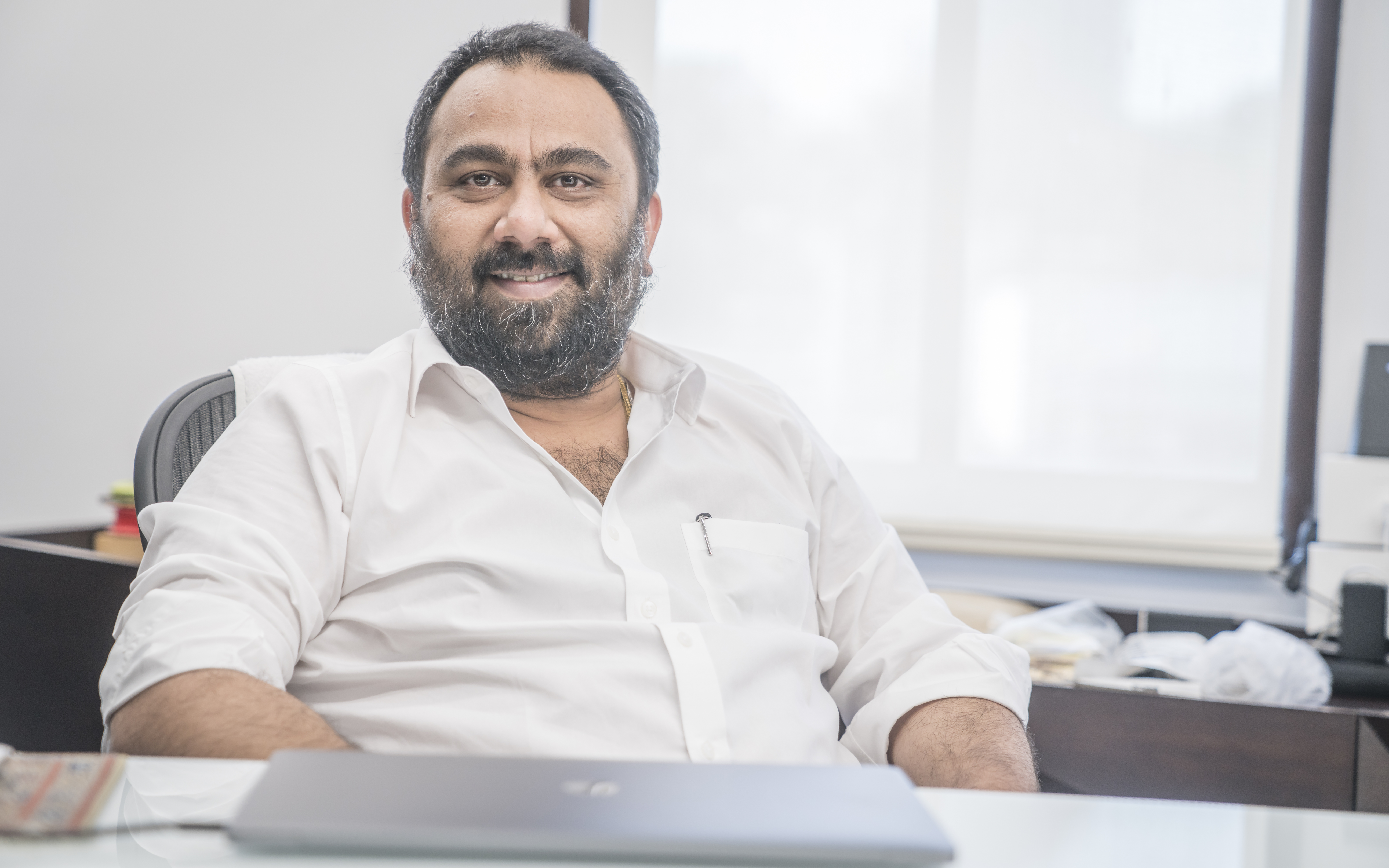
Nishant Deshmukh Founder and Managing Partner Sugee Group
Akshaya Tritiya is an auspicious occasion that widely regarded as a symbol of prosperity, renewal and enduring value. The market sees it as a meaningful time for homebuyers to take important decisions. We at Rubics Group have observed a sense of purpose among buyers during this period, with many homebuyers approaching homeownership with greater clarity and preparedness. Within Mumbai's real estate landscape, this festive sentiment continues to reinforce confidence, as individuals and families look out to invest in homes that match their long-term aspirations of stability and returns.
Mr. Suhan Shetty, Founder & Managing Director, Rubics Realty
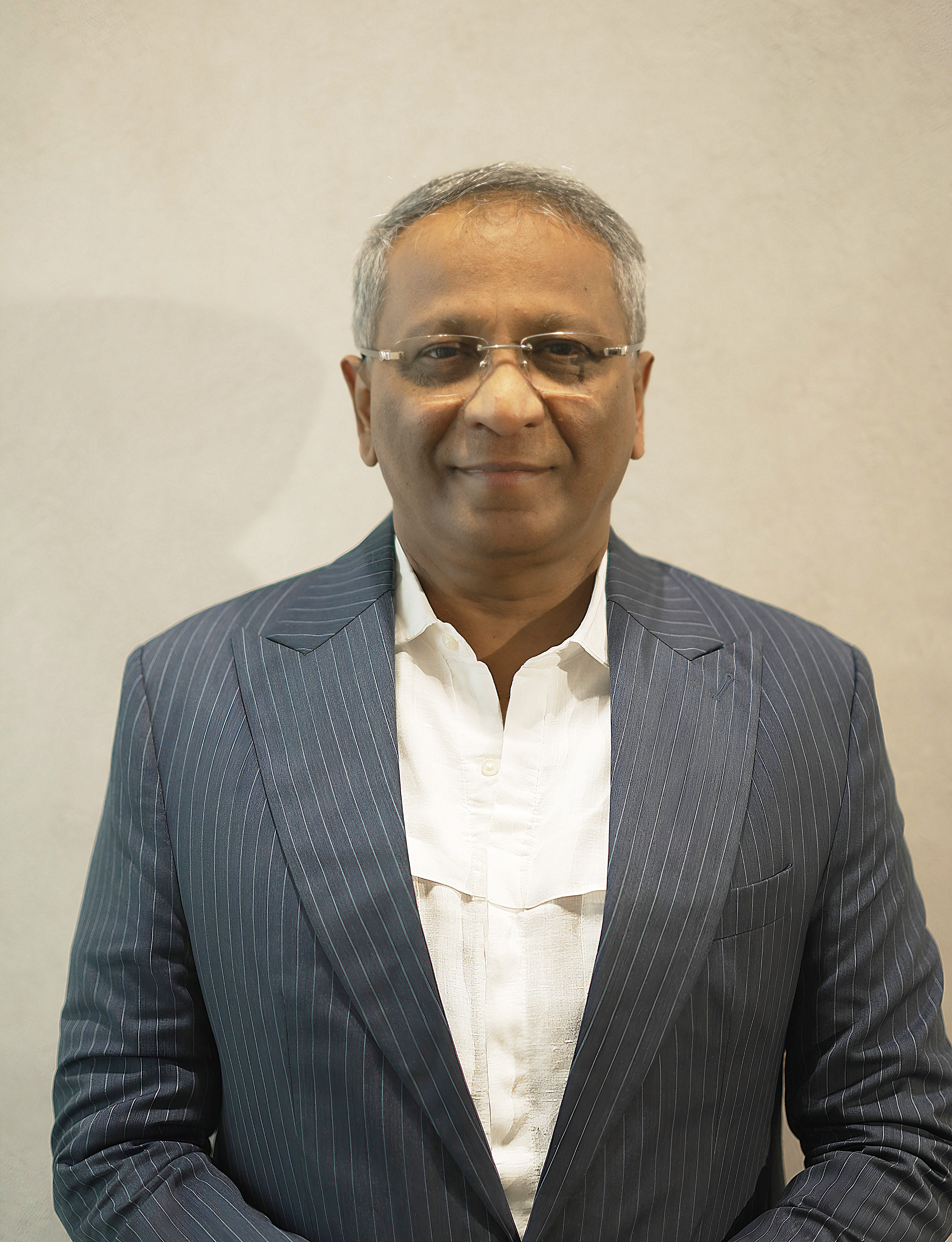
Akshaya Tritiya is synonymous with auspicious new beginnings. In the Indian cultural context, it is believed that new property purchases made on this day will invite financial stability and growth. Demand for high quality residential real estate across Mumbai has remained strong driven by multiple factors such as improved connectivity due to infrastructure upgrades and a robust domestic economy. At Mayfair Housing, we hope to further amplify this demand with attractive spot booking offers across our sites from Mayfair Codename Coral at Mira Road East to Mayfair Breeze at Andheri West and Mayfair Virar Gardens. We are hopeful that our initiative will convert enquiries into purchases, encouraging prospective homebuyers to solidify their decision.
Mr. Aditya N. Shah, Joint Managing Director, Mayfair Housing
While the Sarva Siddhi Muhurat (auspicious timing) still drives the final signature, developers are preparing for a much more analytical homebuyer this year.
The " High-Ticket " Pivot: Q1 2026 data shows a clear split while mid-segment sales have seen a slight dip, the 5 crore+ segment remains resilient. Developers anticipate that Akshaya Tritiya will be a "closure day" for trophy assets (4BHKs and penthouses) rather than just a day for new inquiries.
Aggressive NRI & HNI Participation: With interest rates stabilizing, there is a massive anticipation of capital inflow from NRIs. These buyers are looking for "wealth preservation" assets properties that serve as a hedge against inflation.
Decisive Conviction: Because this day is considered universally auspicious, developers expect a high booking-to-visit ratio. They anticipate that buyers who have been "shortlisting" since the beginning of the year will use this window to finalize their "Legacy" purchases.
Prashant Khandelwal, Joint Secretary of CREDAI MCHI and Director & CEO of Agami Realty
Akshaya Tritiya holds a strong cultural significance as a time associated with prosperity and new beginnings. This is a sentiment that is increasingly reflected in the luxury housing segment. For Ekta World, we are part of creating premium residences across established micro-markets such as Bandra, Khar and Santacruz. This Akshaya Tritiya will help in meeting the interests of homebuyers who priorities location, lifestyle and long-term value. The outlook this season remains strong, as end-users are expected to stick with a considered approach towards homeownership, aligning their aspirations with thoughtfully designed spaces in Mumbai's well-connected urban neighborhoods.
Mr. Vivek Mohanani, CEO and Managing Director Ekta World
Welcome to Prop Personalities by Prop News Time - a podcast ...
The occasion of Akshaya Tritiya is auspicious and a moment towards creating a renewed sense of optimism among homebuyers. At Sheth Realty we have always regarded this day as a favorable time to make meaningful life decisions. It traditionally symbolizes prosperity, new beginnings and long-term well-being. We believe this sentiment continues to resonate with those aspiring to own a home. As an evolving real estate market, this is festive period that helps the market remain committed to supporting buyers in taking confident steps towards securing spaces that reflect their aspirations and offer a sense of enduring value. The occasion of Akshaya Tritiya is auspicious and a moment towards creating a renewed sense of optimism among homebuyers. At Sheth Realty we have always regarded this day as a favorable time to make meaningful life decisions. It traditionally symbolizes prosperity, new beginnings and long-term well-being. We believe this sentiment continues to resonate with those aspiring to own a home. As an evolving real estate market, this is festive period that helps the market remain committed to supporting buyers in taking confident steps towards securing spaces that reflect their aspirations and offer a sense of enduring value.
Chintan Sheth Chairman and Managing Director of Sheth Realty
Akshaya Tritiya is an especially auspicious day to make important purchases as per Hindu tradition. Purchasing assets such as a new property or gold on this day is said to invite financial stability and growth. Culturally, it is also believed that any investments made on this day will grow steadily and appreciate, bringing long-term financial security. This year, we hope to add to the festive enthusiasm by introducing limited-period festive benefits across our marquee developments. Homebuyers booking properties with us during this period will receive assured gold with every purchase. At our Paradigm 71 Midtown in Chembur, we are offering assured 10 gm gold on 2 BHK homes. We are also extending this benefit to our luxury project in Borivali West, namely Paradigm Anantaara. In this instance, we are offering assured 20 gm gold on our 3 BHK residences. We are optimistic that this offer will encourage fence-sitters to finalise their purchases with us, while also solidifying enquiries into purchase decisions.
This Akshaya Tritiya is especially promising for home-buyers in Vasai, an area whose demand is being sustained by 10-12 per cent annual appreciation, improved metro and rail connectivity, and affordability compared to other Mumbai suburbs. Integrated townships such as ours are increasingly being viewed as the preferred alternative, and we remain hopeful that the momentum will heighten during this phase, which is synonymous with auspicious new beginnings. Accordingly, Suraksha Smart City is offering attractive benefits on our 1 BHK and 1 BHK Luxe units these include a 25:75 payment scheme that incentivises immediate conversions, with spot discounts to further encourage purchases. For homebuyers who prioritise a healthy work-life balance, great connectivity, a healthy cost-to-benefits ratio and a holistic township living experience, Suraksha Smart City remains the standout choice; we are excited to be a part of this new chapter of our customers journeys and mark this auspicious day by being a part of their new beginnings.
Akshaya Tritiya brings a strong sense of positivity and intent among buyers. This year, at Today group we are extending festive-led benefits across our residential and commercial developments in key Navi Mumbai micro-markets. In our residential projects such as Codename Eden Garden in Airoli, Codename Citadel in Juinagar and Nova Vista in Nerul we are offering festive benefits that include 10 gm gold on booking along with an EMI holiday. Additionally, developments like Codename Upvan in Upper Kharghar and Codename Elements in Panvel are being offered with 5 gm gold on booking, alongside similar EMI holiday advantages. On the commercial front, our projects are extending a 5 gm gold offer on bookings across projects including One Arthasya in Thane, Codename Obliq in Airoli, Codename The Tangent in Juinagar and Nova Ark in Nerul. These initiatives help us align with the festive sentiment and encourage buyers to take confident steps towards both homeownership and investment. The aim is to ensure that property ownership is more accessible and rewarding during this auspicious period. Homebuyers get to choose from thoughtfully planned homes to well-positioned commercial spaces. Our portfolio has been specifically curated to cater to evolving buyer needs. The festive additions help further enhance value at the point of decision-making. We believe that festive initiatives will help uplift sentiment during the season while encouraging buyers and investors to step towards long-term asset creation with confidence.
Bhavesh Shah, Joint Managing Director of Today Group
Mumbai's residential real estate landscape has remained resilient to the headwinds of ongoing geopolitical uncertainties. To the contrary, we are witnessing increased interest from NRI buyers in luxury residential projects in the city, owing to the relative stability and strong growth of India's economy. An auspicious occasion such as Akshaya Tritiya solidifies interest into intention, owing to its cultural association with new beginnings. Many Indian buyers believe that asset purchases made on this day will steadily appreciate, offering long-term financial stability. We are optimistic about the surge in demand during this period, and look forward to essaying a key role in our customers financial growth stories.
This disclaimer ("Disclaimer") is applicable to the entire Site. Upon entering the Site it is recommended that you immediately read the Terms and Conditions and Privacy Policy listed therein. Your continued usage of this Site will indicate your unconditional acceptance of the said Terms and Conditions and Privacy Policy. You hereby agree that Prop News Time reserves the right to modify at any time, the Terms and Conditions and Privacy Policy governing this Site without prior notification. Your usage of the Site implies that you will be bound by any such modification. You agree and acknowledge that it is your responsibility to periodically visit the Site and stay updated with the Terms and Conditions and Privacy Policy of the Website.
The information contained in this Site has been provided by Prop News Time for information purposes only. This information does not constitute legal, professional or commercial advice. Communication, content and material within the Site may include photographs and conceptual representations of projects under development. All computer-generated images shown on the Site are only indicative of actual designs and are sourced from third party sites.
The information on this Site may contain certain technical inaccuracies and typographical errors. Any errors or omissions brought to the attention of Prop News Time will be corrected as soon as possible. The content of this Site is being constantly modified to meet the terms, stipulations and recommendations of the Real Estate Regulation Act, 2016 (“RERA”) and rules made thereunder and may vary from the content available as of date. All content may be updated from time to time and may at times be out of date. Prop News Time accepts no responsibility for keeping the information on this website up to date or any liability whatsoever for any failure to do so.
While every care has been taken to ensure that the content is useful, reliable and accurate, all content and information on the Site is provided on an "as is" and "as available" basis. Prop News Time does not accept any responsibility or liability with regard to the content, accuracy, legality and reliability of the information provided herein, or, for any loss or damage caused arising directly or indirectly in connection with reliance on the use of such information. No information given under this Site creates a warranty or expands the scope of any warranty that cannot be disclaimed under applicable law.
This Site provides links to other websites owned by third parties. Any reference or mention of third-party websites, projects or services is for purely informational purposes only. This information does not constitute either an endorsement or a recommendation. Prop News Time accepts no responsibility for the content, reliability and information provided on these third-party websites. Prop News Time will not be held liable for any personal information or data collected by these third parties or for any virus or destructive properties that may be present on these third-party sites.
Your use of the Site is solely at your own risk. You agree and acknowledge that you are solely responsible for any action you take based upon this content and that Prop News Time is not liable for the same. All details in the form of news stories, photos and videos provided on this Site are updated on the basis of information available from the respective developers/owners/promoters. All such information will not be construed as an advertisement. This Site is for guidance only. Your use of this Site – including any suggestions set out in the Site and or any use of the resources available on this Site, do not create any professional–client relationship between you and Prop News Time. Prop News Time cannot accept you as a client until certain formalities and requirements are met.
Cookie Disclaimer
We use cookies to give you the best possible service while using our website, please accept it and continue browsing if you're happy with this. For more information see our Privacy Policy