Advertisement










In this episode of Prop Personalities, we sit down with Hars...
Luxury real estate is one of the most talked-about segments ...
Welcome to Prop Personalities by Prop News Time - a podcast ...
Airports play a much bigger role than just enabling travel -...
Why does the same hotel brand operate multiple properties in...
Mumbai's metro network has crossed the 100 km mark after the addition of new stretches on Lines 9 and 2B, helping the city overtake Bengaluru to become India's second-largest metro network. The expansion has improved connectivity in Thane and eastern suburbs. Bengaluru now stands third with around 96 km, with delays in key lines affecting its pace of growth. While Mumbai has seen faster execution in recent years, Bengaluru continues to work on multiple upcoming corridors, which are expected to significantly expand its network over the next two years.
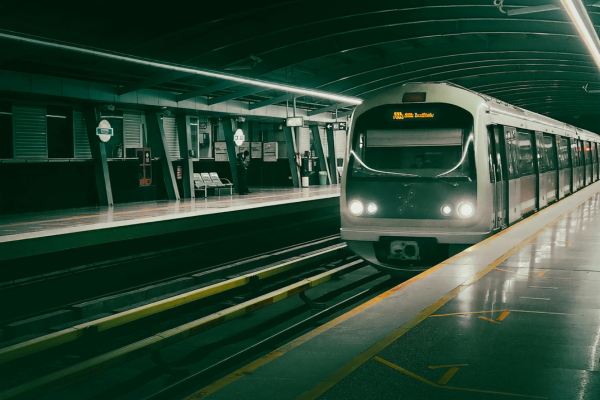
Mumbai has moved to the second position in India in terms of operational metro network length, overtaking Bengaluru after recent additions pushed its total network beyond 100 km. The expansion comes after new stretches under Metro Line 9 and Line 2B became operational, improving overall urban connectivity. Advertisement


The Dahisar Kashigaon stretch on Line 9 has extended metro access towards the Mira-Bhayandar region, while the initial section of Line 2B between Mandale and Diamond Garden has strengthened connectivity in the eastern suburbs. These additions together added close to 10 km to the network, helping Mumbai cross the 100 km milestone. This is a significant step as the city continues to build multiple corridors simultaneously to reduce pressure on suburban rail and road traffic.
With this development, Bengaluru's Namma Metro has moved to third place. The network currently spans around 96 km with 83 stations. Over the past year, the city added nearly 19 km, mainly through progress on the Yellow Line. However, delays in execution and operational challenges have slowed the pace at which new sections are being opened to the public.
Bengaluru Metro, which started operations in 2011 with a small 7 km stretch, has seen steady but relatively slower growth. On average, the expansion has been around 6 km per year. In comparison, Mumbai's metro, which began later in 2014, has accelerated construction and commissioning in recent years through parallel execution of multiple lines and improved project coordination.
Delays in Bengaluru have been linked to construction challenges and issues related to rolling stock availability. The Yellow Line, in particular, has taken nearly three years longer than expected to become operational. This has also affected service frequency, with lower train availability during peak hours leading to longer waiting times for commuters.
The pressure on Bengaluru's transport system has continued to increase, with vehicle registrations crossing 1.25 crore and thousands of new vehicles being added daily. This has made timely metro expansion more critical for easing congestion and improving mobility across the city.
Looking ahead, Bengaluru Metro Rail Corporation Limited is working on several key corridors. A 7 km stretch of the Pink Line is expected to become operational by mid-2026. Additionally, a section of the Blue Line between Silk Board and KR Pura is targeted for completion by the end of 2026, while the airport connectivity stretch has been pushed to 2027. Once these phases are completed, the city's metro network is expected to expand to around 175 km.
Delhi continues to remain the largest metro network in the country, maintaining a significant lead over other cities in terms of operational length and coverage.

5th Jun, 2025

25th May, 2023

11th May, 2023

27th Apr, 2023
Advertisement





 Facebook
 Whatsapp
