Advertisement






When should a housing society in Mumbai start considering re...
From GST on JDAs to SEBI’s REIT reclassification and the S...
Stay ahead in the world of real estate with our daily podcas...
Stay ahead in the world of real estate with our daily podcas...
Property buyers in Spain are increasingly prioritising heritage, authenticity and community over purely coastal resort appeal, according to Taylor Wimpey Espaa. The developer reports a growing shift towards traditional village settings, driven by year-round living aspirations, lower-density environments and everyday convenience. Locations such as Capdepera in Mallorca and Benahav's in Andaluca are attracting interest for their historic character, proximity to beaches and resorts, and strong lifestyle credentials. Developments including Oliu in Capdepera and Fuente Lirios in Benahav's are catering to this demand, offering modern, energy-efficient homes within established village communities. Buyers, ranging from families to remote professionals, are seeking a balance between serenity, connectivity and access to international travel.
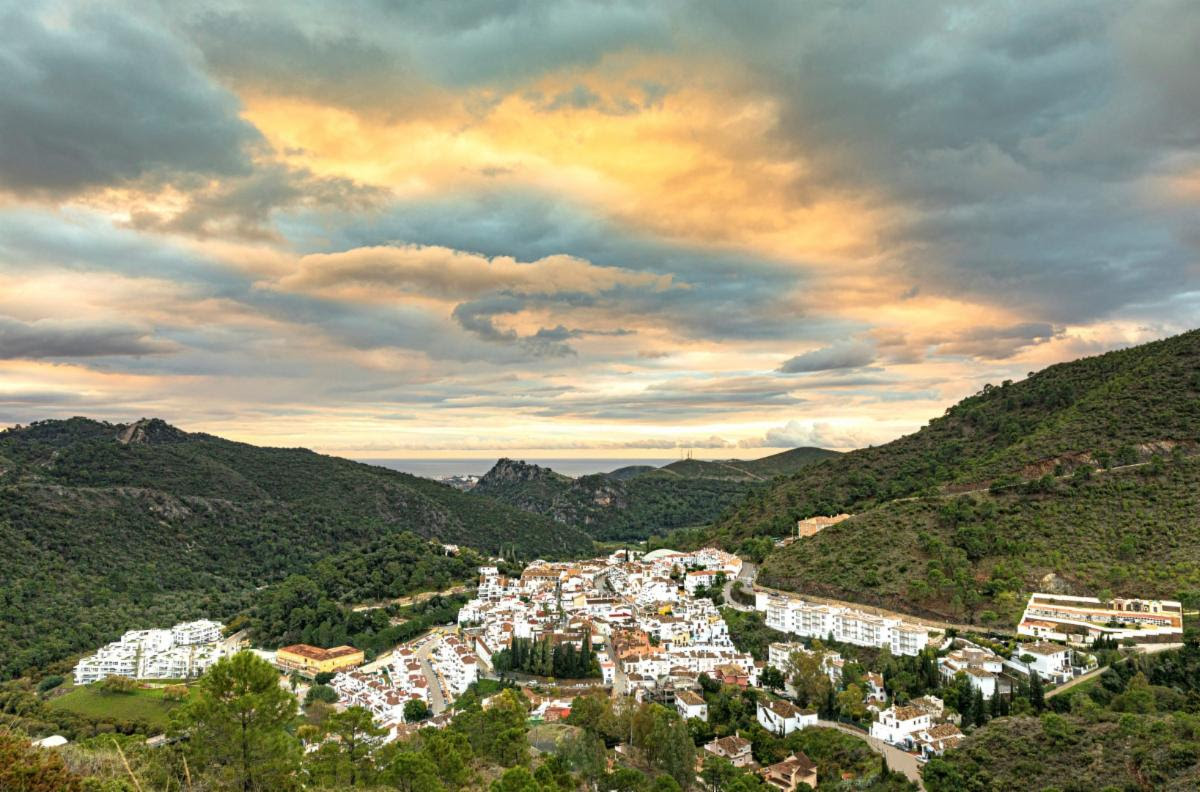
Spanish property buyers are increasingly looking beyond sunshine and beachfront addresses, with a noticeable shift towards traditional village environments that offer heritage, authenticity and community connection. Advertisement


According to Marc Pritchard, Sales and Marketing Director at Taylor Wimpey Espa a, demand is rising for homes located within established villages rather than purely resort-led developments. He noted that buyers are seeking a balance of serenity, tradition and everyday practicality, particularly as more purchasers consider Spain as a year-round living destination rather than a seasonal retreat.
Village settings provide walkable access to shops, caf's and restaurants, supporting daily convenience without reliance on cars. For many buyers, this accessibility, combined with lower-density living, is proving increasingly attractive.
Locations such as Capdepera and Benahav's exemplify the appeal. Capdepera, set beneath its medieval castle in Mallorca, offers historic architecture and a strong sense of local identity. Benahav's blends Andalusian character with contemporary homes positioned between mountains and the Mediterranean coastline.
While village life unfolds at a gentler pace than busy coastal resorts, it does not equate to isolation. Capdepera provides access to nearby beaches such as Cala Mesquida and Cala Agulla, while Benahav's sits within easy reach of Marbella's urban amenities. Both locations also benefit from proximity to international airports, supporting cross-border mobility.
The lifestyle proposition extends beyond architecture. Weekly markets, local festivals, family-run restaurants and traditional bakeries contribute to a distinct sense of place. Spain's culinary heritage, including tapas, regional wines and olive oils, further enhances the experiential appeal of village living.
Developers are responding to this demand with boutique schemes designed to integrate into their surroundings. In Capdepera, the Oliu development comprises 23 apartments and nine townhouses, with prices starting from 475,000 plus VAT for apartments and 625,000 plus VAT for townhouses. The project includes landscaped gardens, a shared swimming pool, relaxation areas and private terraces, with views extending towards the coastline and Capdepera Castle.
On the mainland, Fuente Lirios in Benahav's offers apartments and penthouses within the village centre. Prices start from 400,000 plus VAT. The homes include underground parking and pre-installation for electric vehicle charging points, alongside communal amenities. The development also provides convenient access to the Serrana de Ronda mountains, the Guadalmina River and nearby golf courses.
With more than 300 days of sunshine annually and improving digital connectivity supporting remote work, Spanish villages are emerging as long-term residential choices rather than second-home enclaves. For buyers seeking heritage, community and convenience in equal measure, the village model appears increasingly aligned with evolving lifestyle priorities.

5th Jun, 2025

25th May, 2023

11th May, 2023

27th Apr, 2023
Advertisement








 Facebook
 Whatsapp
