Advertisement










Private equity has played a significant role in shaping Indi...
In today’s real estate landscape, fitness is often treated...
In this episode of Prop Personalities, we sit down with Hars...
Luxury real estate is one of the most talked-about segments ...
Welcome to Prop Personalities by Prop News Time - a podcast ...
Residents of Ghaziabad are pursuing political and further legal avenues after the Allahabad High Court upheld a sharply increased property tax regime instituted by the Ghaziabad Municipal Corporation (GMC), rejecting challenges earlier this week. The revised tax, introduced from April 1 2025, aligns rates with district magistrate circle valuations, resulting in three- to four-fold increases for many households and affecting more than six lakh registered properties. Former councillors and resident groups, who had argued the tax hike was disproportionate and imposed without proper legislative cadence, now plan to approach the Supreme Court, although some say a political solution through elected representatives may be preferable. Opposition parties have criticised the ruling, asserting that the burden on citizens has become unsustainable and calling on local leadership to revisit the tax structure. Residents have expressed disappointment and frustration at the perceived financial strain.
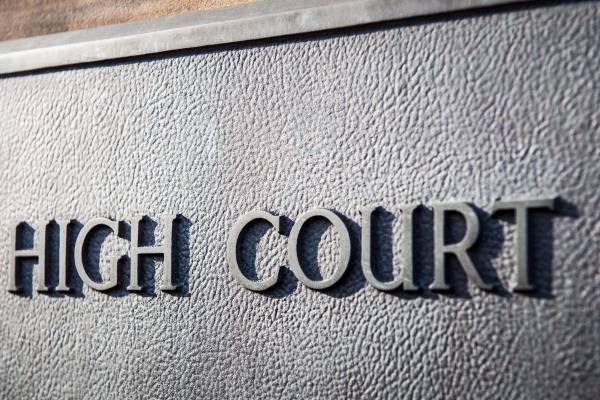
Property owners in Ghaziabad are stepping up pressure on political and judicial fronts after the Allahabad High Court upheld the Ghaziabad Municipal Corporation's (GMC) contentious property tax hike, affirming the legality of the revised regime earlier this week. The ruling has drawn considerable resident ire, prompting calls for elected representatives to intervene and for further legal recourse to be explored. Advertisement


The tax revision, implemented on 1 April 2025, recalibrated property tax slabs by aligning them with the district magistrate's circle rates and incorporating road width into annual rental value (ARV) calculations. Under the new structure, annual tax liabilities for many homeowners rose three to four times compared with prior rates, eliciting widespread protests from resident welfare associations (RWAs), apartment owners and traders groups across the city. The corporation estimates the revised regime will generate more than INR 120 crore in additional revenue annually.
Former GMC councillor Rajendra Tyagi, who led the legal challenge, said the High Court's dismissal of the petition left few options other than taking the matter to the Supreme Court, although he acknowledged that judicial processes can be protracted and indicated a political resolution may be more expedient. Several residents echoed this view, urging local legislators and civic leaders to revisit the tax structure rather than leave the burden on households.
Political opposition has seized on the issue, with local Congress representatives accusing the BJP-led state administration of treating Ghaziabad as a revenue source at the expense of citizens. Party spokespersons have suggested that the GMC board retains the authority to revert to pre-hike tax levels and called for a citywide dialogue on relief measures. Supporters of the hike argue that enhanced tax collections are vital to fund infrastructure upgrades and urban services in a rapidly growing city.
Mayor Sunita Dayal, who opposed the original hike and supported temporary rebates during the legal process, said the corporation would respect the court's decision while its legal team reviews the order. She acknowledged public dissatisfaction but underlined that tax policy decisions must balance revenue needs with civic development imperatives. Resident groups, however, remain frustrated, with many noting the significant rise in annual tax bills and emphasising the financial strain on middle-income households.

5th Jun, 2025

25th May, 2023

11th May, 2023

27th Apr, 2023
Advertisement





 Facebook
 Whatsapp
