Advertisement










Private equity has played a significant role in shaping Indi...
In today’s real estate landscape, fitness is often treated...
In this episode of Prop Personalities, we sit down with Hars...
Luxury real estate is one of the most talked-about segments ...
Welcome to Prop Personalities by Prop News Time - a podcast ...
The Brihanmumbai Municipal Corporation (BMC) stopped construction of a transit camp in Worli after discovering it was being built on land reserved for a sewage treatment plant. Officials highlighted that critical sewer lines pass through the site, and construction had begun affecting sewage flow, raising risks of flooding during monsoon. A Slum Rehabilitation Authority (SRA) executive engineer is facing a criminal complaint for allegedly granting illegal approvals. The SRA has revoked permissions, and the developers must dismantle the transit structures, underscoring the importance of safeguarding Mumbai's ageing sewer infrastructure and reserved public land.
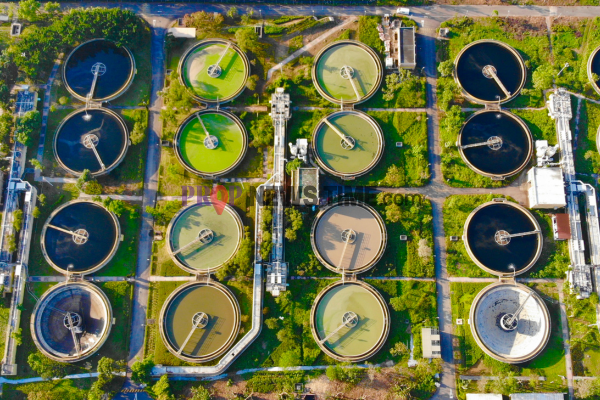
The BMC recently issued a stop-work notice for a transit camp in Worli after determining that the construction was taking place on land reserved for a sewage treatment plant. Civic officials pointed out that two of the city's major sewer lines run through the plot, and preliminary assessments indicated that construction had already disturbed the sewage flow. This posed a risk of flooding and infrastructure failure, particularly during the monsoon season. Advertisement


Additional Municipal Chief Ashwini Joshi instructed the BMC chief engineer (sewerage operations) to lodge a criminal complaint against D B Patil, a Slum Rehabilitation Authority (SRA) executive engineer from the G South ward, for allegedly granting approvals in April 2025 for seven transit camp buildings without proper clearance. Joshi also accused Patil of possible collusion with developers, including Lokhandwala Infrastructure Pvt Ltd and Lokhandwala DB Realty LLP.
The transit camp, consisting of seven temporary buildings, was linked to a larger slum rehabilitation project covering Jivanjyot CHS, Shree Swami Vivekanand Nagar, Veer Jijamata Nagar, and Mata Ramabai Nagar in Worli. The developers claimed all approvals were in order, citing provisions under the Development Control and Promotion Regulations (DCPR-2034) allowing temporary transit structures, provided they are demolished within 30 days of granting an occupation certificate for the rehabilitation buildings.
The SRA confirmed it had revoked permission for the construction and filed an FIR against the developers in September 2025, stating the work had begun without proper approval. The agency also handed over the reserved plot to the BMC, reinforcing that the land belongs to the civic body and highlighting the importance of proper coordination for critical infrastructure projects.
The District Disaster Management Authority (DDMA) had previously warned that damaging the ageing sewer network at the site could lead to flooding across central and south Mumbai. The network includes a 57 inch diameter sewer line and a 4ft 8in by 7ft main sewer line connected to the Lovegrove Sewerage Pumping Station, carrying substantial sewage flow from G South and G North wards. Disruption of these lines during monsoon could trigger flooding in areas such as Shivaji Park, Dadar, Prabhadevi, Lower Parel, Delisle Road, Worli, and Saat Rasta.
Officials stressed that approving transit camps on land reserved for public utilities and critical sewer infrastructure was illegal. The BMC annexed the property register card to its notice to reinforce ownership, while the SRA's letter confirmed revocation of approvals for the temporary buildings.
The incident highlights the importance of ensuring that urban development projects do not compromise civic infrastructure. Mumbai's ongoing efforts to expand sewage treatment capacity make it critical that reserved plots and existing sewer networks are protected from unauthorized construction and administrative oversights.

5th Jun, 2025

25th May, 2023

11th May, 2023

27th Apr, 2023
Advertisement





 Facebook
 Whatsapp
