Advertisement






When should a housing society in Mumbai start considering re...
From GST on JDAs to SEBI’s REIT reclassification and the S...
Stay ahead in the world of real estate with our daily podcas...
Stay ahead in the world of real estate with our daily podcas...
Delhi has further expanded its electric public transport fleet with the induction of 500 new electric buses into the Delhi Transport Corporation (DTC), taking the city's total e-bus count to more than 4,000 the highest for any state in India according to official data. The new buses were flagged off at a ceremony attended by the Chief Minister and senior political leadership, and an inter-state electric bus service between Delhi and Panipat was also launched to serve commuters along an 86 km route that includes major nodes such as the Singhu border and Murthal. Officials said the expansion supports broader targets to increase the city's electric bus fleet to 7,500 by the end of the next calendar year and to 14,000 by 2028, and noted continued efforts to improve EV infrastructure and public transport accessibility. The development underscores Delhi's focus on sustainable urban mobility.
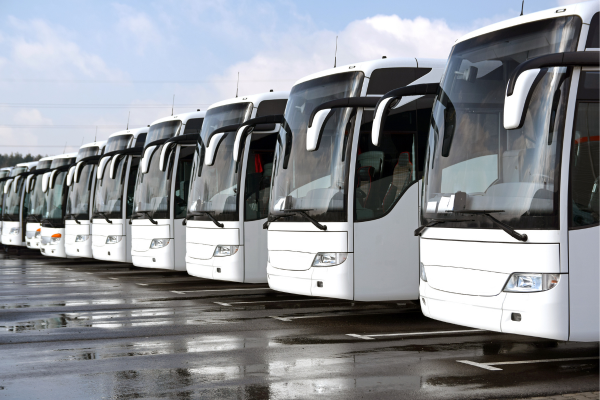
Delhi has boosted its electric bus fleet with the addition of 500 new electric buses to the Delhi Transport Corporation (DTC), making the city's total count of e-buses exceed 4,000, officials said earlier this week. This milestone establishes Delhi as the state with the largest electric bus fleet in India, surpassing other states in registered e-bus numbers. The buses were officially inducted at Ramlila Maidan in a ceremony led by the Chief Minister and attended by senior political figures. Advertisement


The newly introduced vehicles form part of continued efforts to strengthen and expand sustainable public transport in the capital. On the same occasion, the administration also launched an inter-state electric bus service connecting Delhi to Panipat. The route is planned to cover about 86 km, passing through key commuter points including the Singhu border, Murthal and Samalkha, with services scheduled to cater to workers and officegoers during peak travel times.
According to officials, the expansion fits within a broader agenda to significantly enlarge the e-bus fleet over the coming years. The government has set targets to increase the number of electric buses to around 7,500 by the end of the next calendar year and further to approximately 14,000 by 2028. Authorities are also working on a comprehensive electric vehicle policy to strengthen charging infrastructure and support the smooth operation of the expanded fleet.
Data from the ministry of road transport and highways indicates that the city now has 4,286 electric buses in operation, outstripping states such as Maharashtra in terms of registered electric public transport vehicles. This places Delhi at the forefront of green urban mobility initiatives in the country, with other states such as Karnataka, Gujarat, Telangana and Uttar Pradesh trailing with lower e-bus counts.
Officials highlighted that the ongoing expansion of the electric bus network is expected to improve the frequency, reliability and environmental performance of public transport in the capital. Enhanced services and increased route options are anticipated to encourage greater use of sustainable transport modes among commuters, aligning with broader aims to reduce vehicular emissions and address pollution challenges in and around the national capital.

5th Jun, 2025

25th May, 2023

11th May, 2023

27th Apr, 2023
Advertisement








 Facebook
 Whatsapp
