Advertisement










Private equity has played a significant role in shaping Indi...
In today’s real estate landscape, fitness is often treated...
In this episode of Prop Personalities, we sit down with Hars...
Luxury real estate is one of the most talked-about segments ...
Welcome to Prop Personalities by Prop News Time - a podcast ...
Four significant sewage treatment plants under Namami Gange Phase II have become operational in Uttar Pradesh, strengthening wastewater management in cities along the Ganga and Yamuna rivers. Two plants in Agra, one in Varanasi and one in Unnao's Shuklagunj collectively serve over 46 lakh residents. The Agra plants cost INR 842 crore, Varanasi's 308 crore and Unnao's 65 crore. These STPs form part of ongoing efforts to expand sewerage infrastructure, reduce untreated sewage discharge into rivers, and improve sanitation and public health outcomes in urban areas.
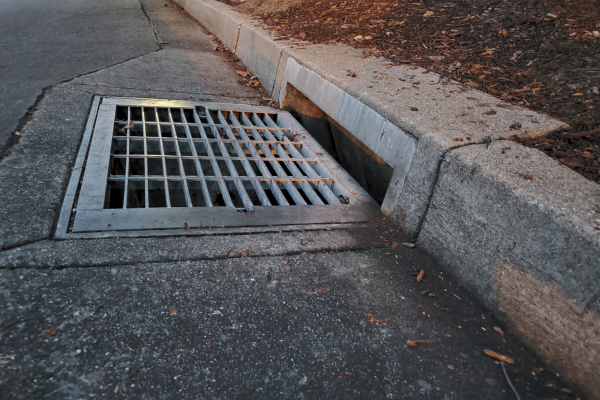
Four major sewage treatment plants under Phase II of the Namami Gange Mission have begun operations in Uttar Pradesh, significantly increasing the capacity to treat wastewater and reduce river pollution. These facilities support urban areas along the Ganga and Yamuna rivers by improving wastewater management and ensuring cleaner effluents reach the rivers. Advertisement


The two plants in Agra have capacities of 31 MLD and 35 MLD, jointly serving around 25 lakh residents. These were implemented at a total cost of INR 842 crore. The Varanasi STP has a capacity of 55 MLD and serves 18 lakh people, developed at INR 308 crore. In Shuklagunj, Unnao, a 5 MLD plant has been constructed at INR 65 crore and caters to over 3 lakh residents.
These facilities use modern treatment technologies to intercept and divert sewage effectively before releasing treated water into rivers. They are equipped to handle significant urban wastewater and reduce untreated discharge, aligning with Namami Gange's mission objectives.
State officials mentioned that Uttar Pradesh has approved 74 sewage treatment projects, out of which 41 are already completed, including these four plants. The state already had 152 operational STPs across various districts, contributing to better wastewater management. With the addition of these new facilities, overall treatment capacity in the state has increased considerably, improving sanitation and public health in urban and peri-urban regions.
Phase II of the mission builds on previous progress, which has added hundreds of MLD of treatment capacity across India. The new plants integrate efficient technology to maintain water quality and reduce environmental impact. The operationalization of these facilities is expected to strengthen city-level sewage infrastructure, complementing ongoing river rejuvenation and public health initiatives.

5th Jun, 2025

25th May, 2023

11th May, 2023

27th Apr, 2023
Advertisement





 Facebook
 Whatsapp
