Advertisement








When should a housing society in Mumbai start considering re...
From GST on JDAs to SEBI’s REIT reclassification and the S...
Stay ahead in the world of real estate with our daily podcas...
Stay ahead in the world of real estate with our daily podcas...
Air India, jointly owned by the Tata Group and Singapore Airlines, is revising its strategy to achieve profitability, which is now expected to take three to four more years. The airline is likely to record a loss exceeding INR 15,000 crore in the current fiscal due to factors including the Pakistan airspace closure and expenses from last June's Dreamliner crash. Under the ongoing five-year Vihaan.AI transformation plan, Air India aims to grow domestic market share to 30% and expand international operations, while modernising its fleet with over 570 new planes planned.
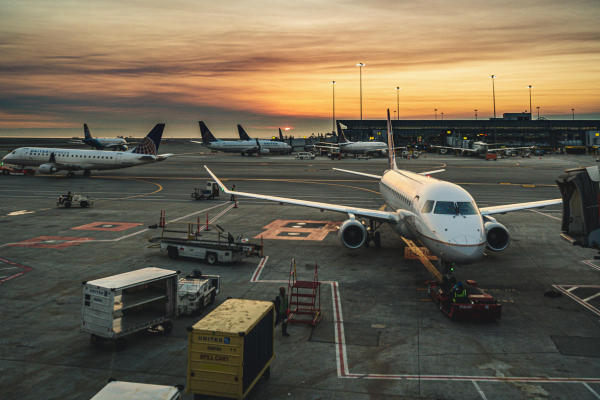
Air India is working on a revised plan to achieve profitability, as the timeline for turning around the airline has extended to at least three to four years. The Tata Group and Singapore Airlines-owned carrier is navigating several challenges, which have delayed earlier expectations under the Vihaan.AI five-year transformation plan launched in September 2022. Sources indicate that the airline will continue to face operational and financial pressures before it can reach sustainable profit. Advertisement


The airline is expected to post a loss exceeding INR 15,000 crore in the current fiscal. In the previous fiscal, Air India and its low-cost arm Air India Express together reported a loss before tax of INR 9,568.4 crore. While Air India's standalone loss was INR 3,890.2 crore, Air India Express, which had been profitable in prior years, recorded a loss of INR 5,678.2 crore, according to data presented by the civil aviation ministry in the Lok Sabha.
Several operational factors have increased costs. The closure of Pakistani airspace has forced the airline to take longer routes to North America and Europe, leading to higher fuel consumption and rising operational expenses. Last October, Air India CEO Campbell Wilson estimated the financial impact of this airspace closure at around INR 4,000 crore, noting additional global travel uncertainties.
The carrier is also dealing with the financial consequences of the Boeing 787-8 Dreamliner crash in June last year, which killed 260 people, including 241 onboard passengers. The accident resulted in significant direct and indirect expenses for the airline.
Under the Vihaan.AI plan, Air India had initially targeted increasing its domestic market share to at least 30% within five years while significantly expanding international routes. The strategy is intended to set the airline on a path of sustained growth, operational efficiency, and market leadership.
Alongside the profitability plan, Air India is revamping its fleet. Currently operating around 190 aircraft, the airline has taken delivery of its first Boeing 787-9 after privatisation and plans to add more than 570 new planes over the coming years to strengthen capacity and modernise operations.
Source PTI
FAQ
Q1. Why is Air India revising its profitability plan?
Air India is revising its strategy because the timeline for turning profitable has extended to three to four more years. Operational challenges, financial pressures, and unforeseen events, such as airspace closures and the Dreamliner crash, have delayed the airline's earlier expectations under the Vihaan.AI five-year transformation plan.
Q2. What are the expected losses for Air India in the current fiscal year?
Air India is likely to report losses exceeding INR 15,000 crore. In the previous fiscal, the combined pre-tax loss for Air India and Air India Express was INR 9,568.4 crore, with Air India itself losing INR 3,890.2 crore and Air India Express recording a loss of INR 5,678.2 crore.
Q3. How has the closure of Pakistani airspace affected Air India?
The closure of Pakistani airspace has forced Air India to take longer routes for flights to North America and Europe. This has increased fuel consumption and operational costs, contributing an estimated financial impact of around INR 4,000 crore, according to CEO Campbell Wilson.
Q4. What impact did the Dreamliner crash have on the airline?
The Boeing 787-8 Dreamliner crash in June last year, which resulted in 260 fatalities, has led to significant direct and indirect financial expenses for the airline. The incident added to operational and insurance costs, affecting overall profitability.
Q5. What are the key objectives of the Vihaan.AI plan?
Under the Vihaan.AI plan, Air India aims to grow its domestic market share to at least 30% within five years, expand international operations, and improve operational efficiency. The plan also includes modernising the fleet to strengthen capacity and set the airline on a path of sustainable growth.
Q6. How is Air India modernising its fleet?
Currently operating around 190 aircraft, Air India has received its first Boeing 787-9 post-privatisation and plans to acquire more than 570 new planes over the next few years. This fleet expansion is intended to enhance operational efficiency, increase capacity, and support international and domestic route growth.

5th Jun, 2025

25th May, 2023

11th May, 2023

27th Apr, 2023
Advertisement








 Facebook
 Whatsapp
