Advertisement








When should a housing society in Mumbai start considering re...
From GST on JDAs to SEBI’s REIT reclassification and the S...
Stay ahead in the world of real estate with our daily podcas...
Stay ahead in the world of real estate with our daily podcas...
Around 40 lakh FASTag annual passes for private vehicles have been issued since the scheme was introduced a few months ago, showing strong adoption among frequent highway users. The pass allows up to 200 toll crossings annually for a fixed fee of INR 3,000, offering significant savings compared to regular toll payments. Alongside this, the government is preparing to implement a barrier-free toll collection system across all national highway toll plazas by 2026. The initiative aims to reduce congestion, cut travel time, and modernise toll operations nationwide.
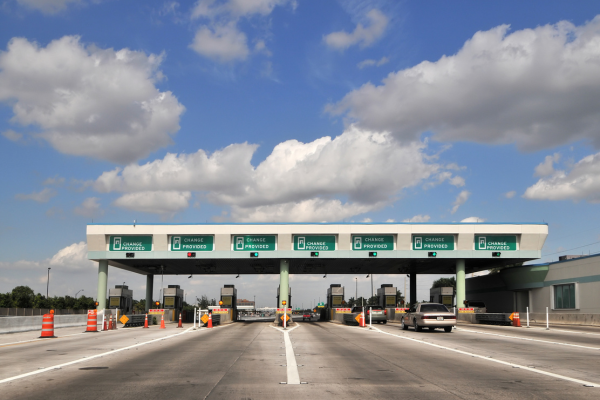
Nearly 40 lakh FASTag annual passes for private vehicles have been issued within months of the scheme's launch, indicating wide acceptance among regular highway commuters. The annual pass, priced at INR 3,000, permits private cars to cross up to 200 toll plazas in a year. This works out to an average cost of about INR 15 per toll crossing, compared to nearly INR 15,000 that motorists typically spend for the same number of crossings under the existing pay-per-use system. Advertisement


The scheme was introduced to reduce the need for frequent FASTag recharges and to simplify toll payments for private vehicle owners who use national highways regularly. The strong uptake suggests that cost savings and ease of use have been the main drivers behind its early success.
The Ministry of Road Transport and Highways has also confirmed that work is underway to introduce a fully barrier-free toll collection system across all 1,050 toll plazas on national highways and expressways. Under the proposed model, vehicles will no longer need to slow down or stop at toll booths. Instead, toll charges will be deducted automatically using advanced technologies such as sensors, cameras and AI-based systems, even when vehicles are moving at highway speeds.
This system is expected to be implemented across both government-operated and privately managed toll plazas. Once operational, it will replace physical toll barriers, helping reduce congestion, fuel wastage and delays that currently occur at toll points, especially during peak travel hours.
The barrier-free tolling plan builds on the nationwide FASTag rollout that made electronic toll payments mandatory in recent years. Together, these measures are part of a broader push to modernise highway infrastructure and improve the overall travel experience for road users.
Source: PTI

5th Jun, 2025

25th May, 2023

11th May, 2023

27th Apr, 2023
Advertisement








 Facebook
 Whatsapp
