Advertisement










When should a housing society in Mumbai start considering re...
From GST on JDAs to SEBI’s REIT reclassification and the S...
Stay ahead in the world of real estate with our daily podcas...
Stay ahead in the world of real estate with our daily podcas...
An estimated 150 unauthorized buildings are constructed annually within Jaipur's Walled City, threatening the integrity of the UNESCO Heritage site. Officials from IMC-Heritage reveal that the actual number of illegal constructions could be higher. Despite strict guidelines, unauthorized construction continues to proliferate, exploiting loopholes and evading oversight. Authorities must enhance enforcement efforts, increase transparency in the permit application process, and promote public awareness to preserve this historic area for future generations.
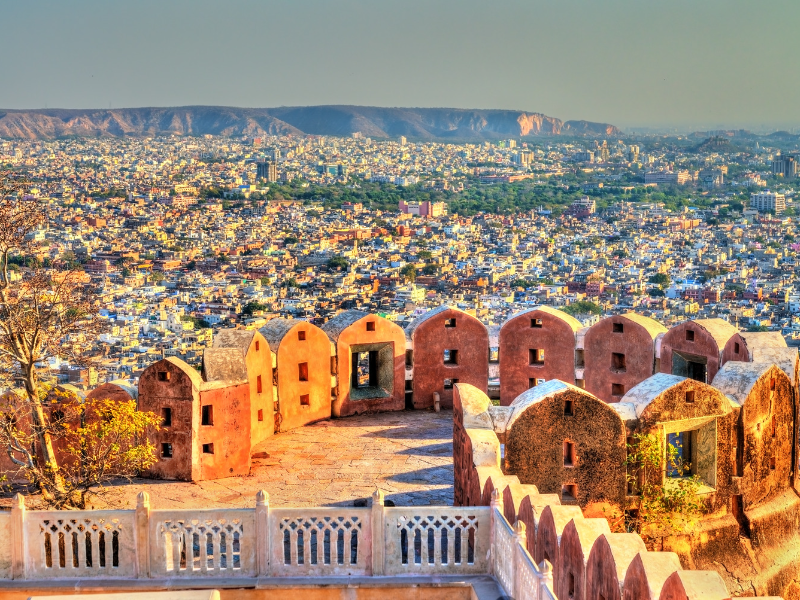
An estimated 150 unauthorized buildings are constructed annually within Jaipur's Walled City, according to officials from the city's heritage department, IMC-Heritage. This figure is based on complaints received and subsequent actions taken, though the actual number of illegal constructions remains unknown. The preservation of this historic site, which was declared a UNESCO Heritage site in February 2020, faces increasing challenges as illegal constructions continue to surge.
Advertisement


The majority of complaints originate from the Hawa Mahal and Kishanpole zones, both of which fall under JMC-Heritage's jurisdiction. Neel Kamal Meena, deputy commissioner vigilance, stated that around 250-300 cases of illicit encroachments and constructions are reported from just the Hawa Mahal zone. Meena added that they receive 10-15 complaints each month and take immediate action to halt unauthorized construction.
Jaipur's Walled City is an essential part of India's cultural and historical legacy, boasting unique architecture and urban planning. As a UNESCO Heritage site, it is subject to strict guidelines designed to protect and preserve its character. For any construction within the area, residents must obtain permits from the municipal corporation, which forwards requests to JMC-Heritage's Heritage Cell for approval, granted solely for residential purposes.
Despite these regulations, unauthorized construction continues to thrive. Many residents and businesses reportedly flout rules, exploiting loopholes and seeking to evade oversight. The rapid growth of illegal buildings not only undermines the Walled City's architectural and historical integrity but also poses safety risks, with substandard construction materials and techniques often used.
One possible solution could involve increasing the number of inspectors and enforcement officers dedicated to heritage conservation. Additionally, greater transparency and accountability in the permit application process could help to ensure that legitimate requests are approved in a timely manner, reducing the incentive for residents to undertake illegal construction.
Moreover, raising public awareness about the importance of preserving the Walled City and its unique heritage could help to foster a greater sense of collective responsibility among local residents. Involving the community in conservation efforts, such as heritage walks and educational programs, could further enhance the appreciation for the site's cultural and historical significance.
In conclusion, the rising number of illegal constructions in Jaipur's Walled City is a cause for concern, as it threatens the integrity of the UNESCO Heritage site. Authorities must step up enforcement efforts and ensure compliance with heritage conservation rules to preserve this historic area for future generations. Implementing more robust measures, increasing public awareness, and fostering community involvement are crucial to safeguarding Jaipur's irreplaceable heritage.

5th Jun, 2025

25th May, 2023

11th May, 2023

27th Apr, 2023
Advertisement








 Facebook
 Whatsapp
