Advertisement










When should a housing society in Mumbai start considering re...
From GST on JDAs to SEBI’s REIT reclassification and the S...
Stay ahead in the world of real estate with our daily podcas...
Stay ahead in the world of real estate with our daily podcas...
The Adani Group is making a significant move into pumped storage hydropower (PSH) with a planned investment of INR 225,000 crore to INR 275,000 crore (around USD 3 billion). This ambitious project aims to establish India's clean energy leadership and secure Adani's position in the growing renewable energy market. Adani Green Energy Ltd (AGEL) plans to set up 5GW of PSH capacity within five years, eventually expanding to 25GW, boosting AGEL's green energy capacity to 70GW. The initial focus will be on Maharashtra, Andhra Pradesh, Tamil Nadu, and Telangana. Construction has begun on a 500MW pilot project in Andhra Pradesh, scheduled for completion by FY27.
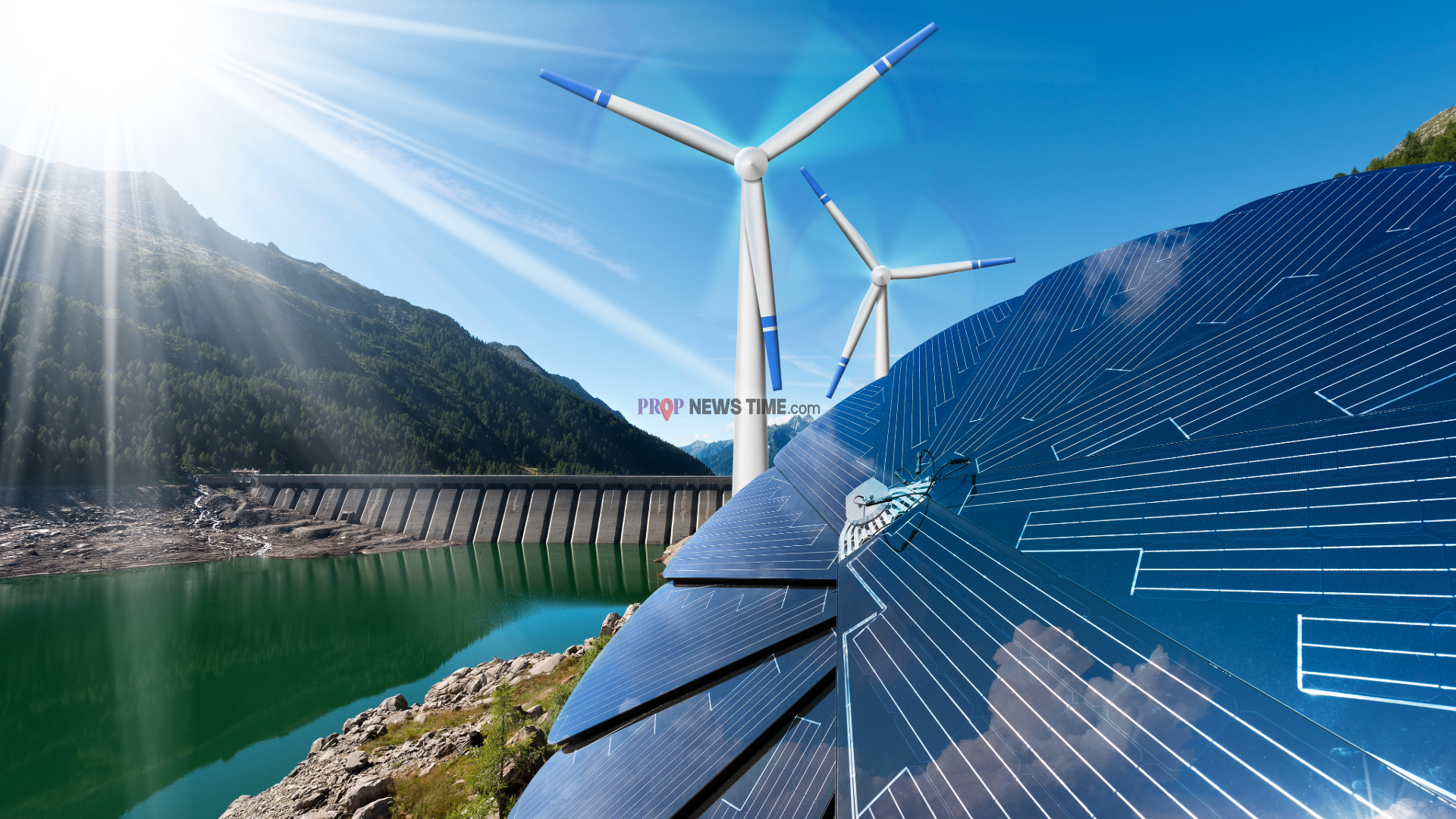
The Adani Group, an Indian conglomerate, is making a significant investment of INR 225,000 crore to INR 275,000 crore (around USD 3 billion) into pumped storage hydropower (PSH), a clean and reliable energy source. This ambitious project positions Adani as a key player in India's growing clean energy sector with a target of 25GW of PSH capacity. Advertisement


PSH technology utilises existing reservoirs at different elevations to store and generate electricity. During off-peak hours, surplus electricity from renewable sources like solar and wind (with a current capacity of 1GW for Adani) is used to pump water from a lower reservoir to a higher one. When electricity demand is high, the water is released back down through turbines, generating clean hydropower. This provides a reliable source of electricity to supplement solar and wind power, which can be variable depending on weather conditions.
Adani Green Energy Ltd (AGEL) plans to invest this substantial sum to establish 5GW of PSH capacity within the next five years. This ambitious project aims to ultimately reach 25GW of PSH capacity, significantly increasing Adani's total green energy capability to a staggering 70GW.
The initial focus will be on states like Maharashtra, Andhra Pradesh, Tamil Nadu, and Telangana, which have existing reservoirs suitable for PSH projects. These facilities will require substantial investment, but some infrastructure like reservoirs is already in place, reducing initial costs. Estimates suggest the total investment could fall between INR 225,000 crore and INR 275,000 crore.
India has set ambitious goals for renewable energy and aims to achieve net-zero carbon emissions by 2070. PSH is seen as a crucial technology to achieve these goals by providing reliable energy storage and balancing the grid with variable renewable sources like solar and wind.
The Adani Group's move into PSH is not alone. Other major companies like Tata Power (aiming for 2.8GW by FY29 with an investment of INR 15,000 crore), NTPC (identifying at least nine states for a total capacity of 14GW), and JSW Group are also investing in this technology. This increased competition will drive innovation and cost reductions, making PSH a more attractive option for India's clean energy future.
Developing PSH projects requires significant upfront investment and careful planning. However, the long-term benefits of reliable clean energy storage are substantial. Adani plans to fund this project through a combination of issuing new shares, raising debt, and utilising internal resources. AGEL generated INR 73,400 crore of free cash flow to equity in fiscal 2024, and the Adani family has committed investments of INR 79,350 crore in AGEL, which can fund about 5.5GW capacity. Additionally, a credit revolving facility of USD 1.6 billion has been increased to USD 3.4 billion by a consortium of banks to support further development.
The Adani Group's investment in PSH is a positive step towards India's clean energy goals. This technology will play a vital role in integrating more renewable energy sources into the grid and ensuring a reliable and sustainable energy future for India.

5th Jun, 2025

25th May, 2023

11th May, 2023

27th Apr, 2023
Advertisement








 Facebook
 Whatsapp
