Advertisement










When should a housing society in Mumbai start considering re...
From GST on JDAs to SEBI’s REIT reclassification and the S...
Stay ahead in the world of real estate with our daily podcas...
Stay ahead in the world of real estate with our daily podcas...
Homebuyers now prioritize proximity to shopping malls, which have evolved into hubs offering high-end retail, entertainment, and lifestyle amenities. The average Indian household visits a mall 15 times a year, underscoring their growing urban significance. Real estate developers are responding by integrating malls into residential projects, enhancing property value and catering to urban lifestyle preferences. With over INR 20,000 crore planned for mall investments and mixed-use developments expected to grow by 20% in five years, India's urban landscape is set to become more dynamic and integrated, driven by consumer demand and significant institutional investments.
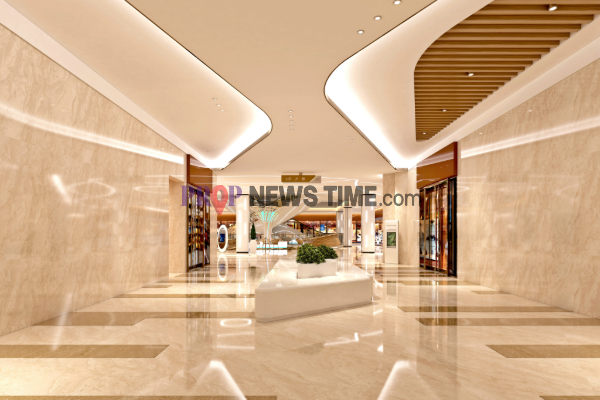
Homebuyers are looking beyond just the apartment itself and considering the surrounding amenities. One factor that's gaining significant weight is proximity to a shopping mall. Advertisement


Modern malls are no longer just shopping destinations. They offer a curated mix of high-end retail stores, entertainment options like movie theatres and gaming zones, and even lifestyle amenities such as restaurants, cafes, and gyms. This creates a one-stop shop for residents, offering convenience and a vibrant social hub right at their doorstep. The average Indian household visits a mall 15 times a year, highlighting their growing importance in urban life.
Real estate developers are recognizing the growing appeal of living near a mall. Many new residential projects are now being built with easy access to these retail centers. This not only adds value to the property itself, but with apartments near malls potentially commanding a premium price point, it also caters to the evolving lifestyle preferences of urban residents. The planned investment of more than INR 20,000 crore in malls over the next three to four years highlights the confidence of big developers.
The trend is moving beyond simple proximity. Mixed-use developments are gaining traction, where residential apartments, commercial spaces, and retail areas co-exist seamlessly. Integrating malls into these projects creates vibrant communities where residents can live, work, and play, all within a short walk. This fosters a sense of community and sustainability, with less reliance on cars and a focus on walkable, self-contained neighbourhoods. Experts predict that the number of mixed-use developments in India will grow by 20% in the next five years.
This trend isn't just driven by consumer demand. The retail real estate sector in India is experiencing a significant upsurge, attracting an estimated USD 2 billion in investments from institutional investors like pension funds. This influx of capital is fuelling the growth of top-tier mall developers and is expected to continue in the coming years.
The future of India's urban landscape looks bright for both malls and real estate projects. With a growing consumer base of over 1.4 billion people and a rising appetite for experiences beyond just shopping, malls are expected to continue evolving. This, coupled with the development of new mixed-use projects, will create a dynamic and integrated urban environment that caters to the modern needs of Indian residents.

5th Jun, 2025

25th May, 2023

11th May, 2023

27th Apr, 2023
Advertisement







 Facebook
 Whatsapp
