Advertisement










When should a housing society in Mumbai start considering re...
From GST on JDAs to SEBI’s REIT reclassification and the S...
Stay ahead in the world of real estate with our daily podcas...
Stay ahead in the world of real estate with our daily podcas...
India's real estate market is undergoing a significant shift, with developers increasingly focusing on Tier-II and Tier-III cities. Factors such as land scarcity and high property prices in major metros like Mumbai and Delhi are driving this trend. Lower land prices and rapid urbanization in smaller cities present developers with more attractive opportunities. Government investments in infrastructure, exceeding INR 3,195 crore, further enhance the appeal of these cities for businesses and residents. This shift benefits both developers and potential residents, offering lower costs and less crowded living environments. With a growing middle class and continued government support, Tier-II and Tier-III cities hold promising prospects for investment and growth, paving the way for more affordable living options for millions of Indians.
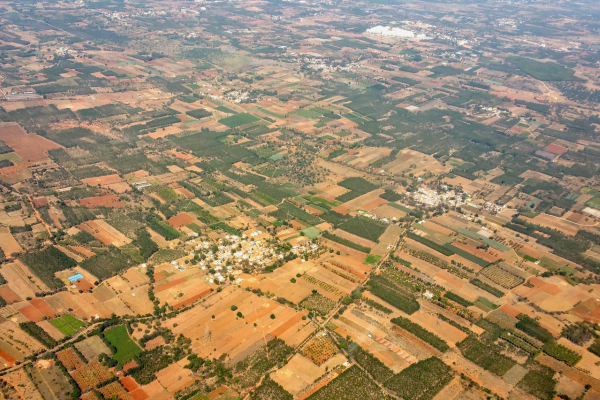
The focus of India's real estate market is shifting! Traditionally, major metros like Mumbai and Delhi have dominated the industry. However, a new trend is emerging ? developers are increasingly setting their sights on Tier-II and Tier-III cities. Advertisement


Several factors are driving this shift. Rapid urbanization in metros, with populations exceeding 20 million like Mumbai, has led to land scarcity and skyrocketing property prices. In contrast, Tier-II and Tier-III cities offer developers a more attractive proposition. Land prices are significantly lower, making development projects more cost-effective. IndiaLand Group, for example, highlights a potential investment of INR 700 crore over the next few years, with INR 200 crore planned for this year alone.
These cities, often with populations in the millions, are experiencing rapid growth and a rise in disposable income. This creates a substantial pool of potential buyers and renters, which hasn't been fully tapped by developers yet. The Indian government is actively investing in infrastructure development in Tier-II and Tier-III cities, including improved road networks, better connectivity, and streamlined infrastructure planning. These investments, exceeding INR 3,195 crore (as seen in the recent BMC property tax collection figures), make these cities more attractive for businesses and residents, further boosting the real estate market.
This shift towards Tier-II and Tier-III cities holds benefits for both developers and potential residents. Developers can capitalize on the untapped demand and lower costs, potentially achieving significant growth and expansion. BCD Group, for instance, saw a 60% revenue increase in 2023 due to strong demand for plotted sales in Tier-II cities.
Residents in Tier-II and Tier-III cities can enjoy a more affordable and less crowded living environment compared to metros. Additionally, developers like Anant Raj are focusing on projects that cater to specific needs, such as affordable housing for industrial workers, potentially bringing the cost of living down to under INR 10,000 per month.
The future of India's real estate market seems bright, particularly in Tier-II and Tier-III cities. With continued government support, rising infrastructure development, and a growing middle class exceeding 500 million people, these markets are poised for significant investment and growth. This trend not only presents exciting opportunities for developers, but also holds the potential to create more affordable and accessible living options for millions of Indians.

5th Jun, 2025

25th May, 2023

11th May, 2023

27th Apr, 2023
Advertisement








 Facebook
 Whatsapp
