Advertisement










Private equity has played a significant role in shaping Indi...
In today’s real estate landscape, fitness is often treated...
In this episode of Prop Personalities, we sit down with Hars...
Luxury real estate is one of the most talked-about segments ...
Welcome to Prop Personalities by Prop News Time - a podcast ...
The Ministry of Micro, Small and Medium Enterprises has partnered with NICDC Logistics Data Services Limited to improve logistics efficiency through better data access. The collaboration will enable integration of logistics data with MSME systems using API-based technology, helping businesses track freight movement and plan operations more effectively. The initiative aims to reduce delays, optimise costs and support informed decision-making. It also aligns with ongoing government efforts to digitise supply chains and address structural challenges such as high logistics costs and fragmented systems impacting MSME growth.
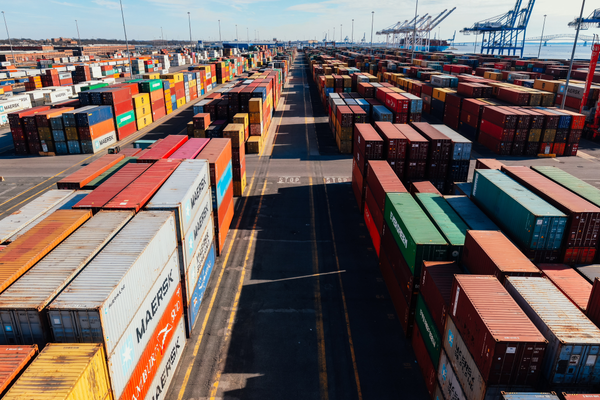
The Ministry of Micro, Small and Medium Enterprises has entered into a memorandum of understanding with NICDC Logistics Data Services Limited to improve logistics efficiency for small businesses through better use of data. The partnership focuses on creating a system where logistics-related information can be accessed and shared in a structured and timely manner. Advertisement


Under this agreement, both sides will work on API-based integration between MSME platforms and the logistics data network. This will allow access to real-time data on cargo movement, transport routes, container tracking and warehouse availability. Such information is expected to help businesses plan shipments better, avoid delays and manage inventory more efficiently. It will also support the government in designing policies based on actual movement of goods across regions.
Officials involved in the process indicated that the initiative is expected to reduce inefficiencies in logistics operations and bring down overall costs for MSMEs. They highlighted that better visibility of supply chains can help enterprises make faster business decisions and improve reliability in deliveries, which is important for both domestic trade and exports.
The agreement was signed by Anuja Bapat, Deputy Director General in the Office of the Development Commissioner (MSME), and Arvind Devaraj, Chief Operating Officer of NICDC Logistics Data Services, in the presence of senior officials. The collaboration brings together policy support and an existing digital logistics platform to address long-standing gaps in the system.
NICDC Logistics Data Services functions as a technology-driven platform under the National Industrial Corridor Development Corporation framework. It operates within the National Industrial Corridor Development and Implementation Trust and has been working on building a unified logistics data ecosystem in India. The platform already tracks container movement across major ports, which will now be leveraged to support MSMEs as well.
India’s MSME sector, which includes more than 6 crore enterprises, has been facing challenges related to high logistics costs and limited access to real-time information. Fragmented supply chains and lack of coordination between different transport modes have often resulted in delays and higher expenses. Industry stakeholders have repeatedly pointed out that improving logistics visibility is critical for increasing efficiency and competitiveness.
The collaboration is part of a wider push by the government to strengthen the digital ecosystem for small businesses. In recent years, multiple initiatives have focused on improving access to finance, technology and markets, along with efforts to streamline supply chains. Integrating logistics data into MSME systems is expected to complement these measures and create a more connected business environment.
The ministry indicated that this step would help build a more reliable and transparent logistics network for small enterprises, making it easier for them to scale operations and compete in larger markets without facing avoidable operational hurdles.

5th Jun, 2025

25th May, 2023

11th May, 2023

27th Apr, 2023
Advertisement





 Facebook
 Whatsapp
