Advertisement










In this episode of Prop Personalities, we sit down with Hars...
Luxury real estate is one of the most talked-about segments ...
Welcome to Prop Personalities by Prop News Time - a podcast ...
Airports play a much bigger role than just enabling travel -...
Why does the same hotel brand operate multiple properties in...
The Lucknow Development Authority (LDA) is planning to redevelop its ageing low-rise residential buildings into high-rise structures to improve land use and increase housing supply. The move follows the state's urban redevelopment policy targeting buildings over 25 years old or structurally weak. The plan aims to modernise infrastructure, improve living conditions, and support rising demand in the city. It also aligns with LDA's broader focus on affordable housing, new residential schemes, and infrastructure upgrades, indicating a steady shift towards vertical development in Lucknow's urban planning approach.
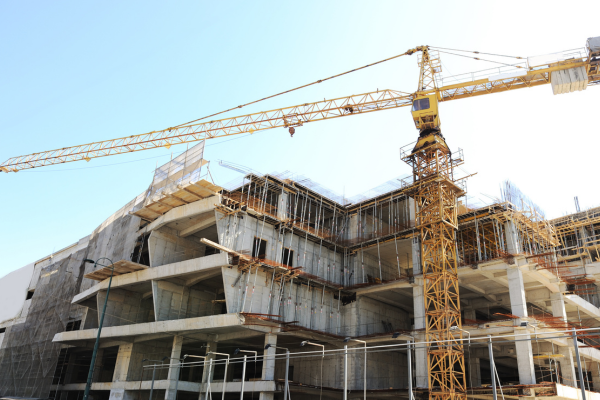
The Lucknow Development Authority (LDA) has unveiled a plan to redevelop several of its existing low-rise residential buildings into high-rise structures, with the objective of improving land utilisation and addressing the growing housing demand in the city. The proposal focuses on replacing old and underutilised housing stock with modern multi-storey buildings that can accommodate more residents within the same land parcel. Advertisement


Officials stated that many of these buildings are ageing and do not meet current urban living standards. Through redevelopment, the authority aims to provide improved infrastructure, better amenities, and more efficient layouts. The plan is also expected to help optimise land use in key residential areas where horizontal expansion is limited.
The initiative is aligned with the Uttar Pradesh Urban Redevelopment Policy, which allows redevelopment of buildings that are over 25 years old or are structurally weak. The policy framework enables redevelopment through multiple models, including government-led projects, public-private partnerships, and participation from resident welfare associations. It also provides for temporary relocation or rental assistance for residents during the construction period.
LDA's approach reflects a broader shift towards vertical development in the city. In the past, the authority has focused on plotted developments and low-rise housing, but recent projects indicate a gradual transition to high-rise residential formats. This includes both affordable housing schemes and premium apartment developments across different parts of Lucknow.
The authority had earlier approved a budget of around INR 5,148 crore, with allocations towards housing projects, infrastructure improvements, and land acquisition. A part of this broader investment is expected to support redevelopment initiatives, including the upgradation of older housing colonies into modern residential complexes.
In addition to increasing housing supply, the redevelopment is expected to address issues such as inefficient space utilisation, outdated building design, and lack of basic facilities in older structures. By redeveloping these areas, the authority aims to create more organised residential clusters with better connectivity and civic infrastructure.
Urban planners have noted that such redevelopment projects can also unlock higher land value and support planned urban growth. However, smooth execution will depend on factors such as resident consent, clear rehabilitation plans, and timely project delivery.

5th Jun, 2025

25th May, 2023

11th May, 2023

27th Apr, 2023
Advertisement





 Facebook
 Whatsapp
