Advertisement










In this episode of Prop Personalities, we sit down with Hars...
Luxury real estate is one of the most talked-about segments ...
Welcome to Prop Personalities by Prop News Time - a podcast ...
Airports play a much bigger role than just enabling travel -...
Why does the same hotel brand operate multiple properties in...
The Dharavi Redevelopment Project is moving forward with plans to build around 11,000 rehabilitation homes on a 35-acre railway land parcel in Matunga. The project targets residents from Sector 6, where clusters are being cleared to enable construction of 350 sq ft units. Authorities have asked residents to shift to transit housing or rental accommodation, offering INR 5,000 as shifting support and rental aid with annual increases. While this marks progress, concerns remain around eligibility, communication, and clarity on permanent housing allocation among affected residents.
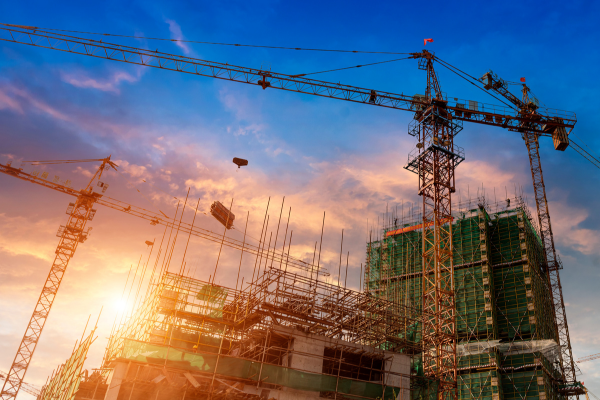
The Dharavi Redevelopment Project has reached an important stage with plans to construct nearly 11,000 rehabilitation homes on a 35-acre railway land parcel in Matunga. This land is being used to relocate residents from Sector 6, where existing settlements are now being cleared in phases to begin construction work. The parcel is part of land secured from Indian Railways and is seen as critical to starting large-scale on-ground development within the notified Dharavi area. Advertisement


Each rehabilitation unit is planned to measure about 350 sq ft. This is in line with the standard housing size proposed under the redevelopment plan. The current phase focuses on creating space for these buildings by relocating residents from key clusters such as Ganesh Nagar-Meghwadi, SVP Nagar, Azad Nagar and Kamala Raman Nagar. These areas form part of the first set of settlements identified for clearance to enable construction activity.
Residents have been advised to vacate their homes in a phased manner to reduce disruption, especially considering the approaching monsoon and school schedules. Officials have indicated that early shifting will help start construction across multiple pockets at the same time, which is expected to improve execution timelines. The approach is aimed at avoiding delays that have affected earlier redevelopment attempts in Dharavi.
To support relocation, authorities have provided two options. Residents can move into transit accommodation arranged under the project or choose rental housing in the open market. A one-time shifting assistance of INR 5,000 is being offered. For those opting for rental housing, monthly rent support will be provided, along with a 5% annual increase until they are allotted permanent homes, subject to eligibility conditions.
The redevelopment is being implemented by Navbharat Mega Developers Pvt Ltd, the special purpose vehicle formed for the project. The entity is led by the Adani Group with an 80% stake, while the Maharashtra government holds the remaining 20%. The Dharavi redevelopment has been planned as a large integrated project to formalise housing, improve infrastructure and create better living conditions in one of Mumbai's most densely populated areas.
At the same time, residents and local groups have raised concerns regarding the ongoing process. Some households have indicated that there is limited clarity on eligibility criteria and the timeline for receiving permanent homes. There are also concerns about whether the rental support will be sufficient given rising housing costs in Mumbai. In addition, some residents have pointed out that earlier expectations around direct rehabilitation into new homes have not been clearly addressed in the current phase.
Questions have also been raised about the number of households that may qualify for rehabilitation, which could impact future phases of the project. Local representatives and community groups have highlighted the need for better communication and transparency as the project progresses. Discussions around possible resistance have also emerged if concerns are not addressed in a timely manner.
The Dharavi redevelopment has seen multiple attempts over the past decades but faced delays due to issues related to land availability, financial structuring and rehabilitation planning. The use of railway land in this phase marks a practical step towards resolving land constraints and initiating construction at scale.

5th Jun, 2025

25th May, 2023

11th May, 2023

27th Apr, 2023
Advertisement





 Facebook
 Whatsapp
