Advertisement










In this episode of Prop Personalities, we sit down with Hars...
Luxury real estate is one of the most talked-about segments ...
Welcome to Prop Personalities by Prop News Time - a podcast ...
Airports play a much bigger role than just enabling travel -...
Why does the same hotel brand operate multiple properties in...
The government of Sweden disclosed that a pro-Russian cyber group attempted to disrupt operations at a thermal power plant in western Sweden during the past year, though the attack was unsuccessful due to built-in safeguards. Authorities indicated that the actor had links to Russian intelligence services. The incident reflects a broader increase in hybrid attacks targeting European infrastructure following the Russia's invasion of Ukraine. While no damage occurred, officials highlighted growing risks to critical energy assets, noting a shift from basic disruption tactics towards more destructive cyber capabilities across the region.
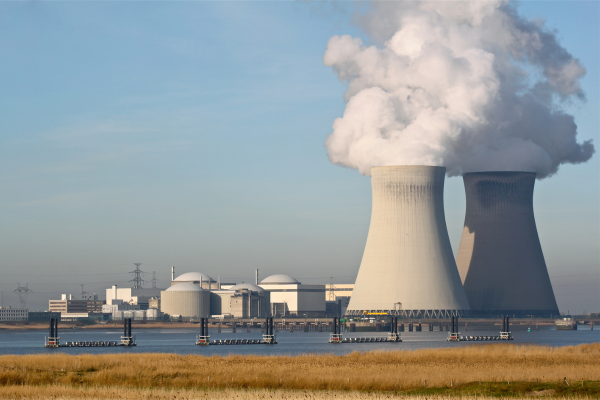
The government of Sweden has confirmed that a pro-Russian cyber group attempted to disrupt operations at a thermal power plant in the western part of the country during the past year, with the incident forming part of a broader pattern of escalating hybrid threats across Europe. The attack, which took place during the spring period of the previous year, was unsuccessful due to existing protection mechanisms within the facility's systems. Advertisement


Carl-Oskar Bohlin, Sweden's minister for civil defence, stated during a press briefing that the country's Security Police had investigated the incident and identified the actor responsible. He indicated that the group had connections to Russian intelligence and security services, although the specific power plant targeted was not disclosed.
Authorities confirmed that the attempted disruption did not result in operational or physical damage, attributing this to built-in safeguards designed to prevent system compromise. The Security Police have since concluded their investigation and no longer maintain an active case related to the incident.
The development comes against the backdrop of increasing cyber and hybrid activity across Europe, particularly following Russia's invasion of Ukraine. Swedish officials noted that such incidents have become both more frequent and more sophisticated, with a shift from denial-of-service attacks towards attempts aimed at causing tangible disruption to infrastructure and industrial systems.
Bohlin drew comparisons with similar incidents reported in Poland, where authorities have attributed attacks on energy infrastructure to Russian-linked actors. He indicated that pro-Russian groups, previously associated with relatively low-impact cyber activities, are increasingly targeting businesses and critical assets with more advanced methods.
The Russian embassy in Stockholm did not respond to requests for comment, while Moscow has consistently denied involvement in cyber operations across Europe.
The attempted breach highlights ongoing vulnerabilities within critical infrastructure networks, particularly in the energy sector, where digital systems play a central role in operations. While Sweden's defence mechanisms prevented disruption in this instance, officials have emphasised the need for continued vigilance and resilience against evolving cyber threats targeting essential services.
Source - Reuters

5th Jun, 2025

25th May, 2023

11th May, 2023

27th Apr, 2023
Advertisement





 Facebook
 Whatsapp
