Advertisement






Follow us on Instagram, Facebook, YouTube, X, Spotify, Amazon Music, Apple Music and more.
What really powers the cloud? Behind every Google search, A...
A lot of what defines a home isn’t visible at handover. I...
Private equity has played a significant role in shaping Indi...
Luxury real estate is one of the most talked-about segments ...
Airports play a much bigger role than just enabling travel -...
14 minutes ago
Institutional investments in Indian real estate increased 23% year-on-year to USD 4.3 billion during the first half of 2026, supported by record domestic capital participation despite a slowdown in overseas inflows, according to a JLL report released on June 25. The market recorded 54 transactions, the highest ever for a six-month period, with domestic investors contributing a record 64% of total investments, or USD 2.8 billion. Office assets remained the preferred investment destination, attracting USD 2.3 billion, while Bengaluru, Chennai and Delhi-NCR accounted for nearly half of total investment activity. The report suggests that improving domestic liquidity, increasing participation by local institutional investors and resilient occupier demand continued to underpin investment activity, even as global geopolitical and macroeconomic uncertainties weighed on foreign capital deployment.Read more

44 minutes ago
Global Capability Centres (GCCs) serving the banking, financial services and insurance (BFSI) sector are evolving from operational support units into strategic centres responsible for technology development, product innovation, cybersecurity, risk management and regulatory compliance. Financial institutions worldwide are increasingly relying on GCCs, particularly in India, to develop digital banking platforms, artificial intelligence-driven solutions and customer-centric financial products. The shift reflects changing industry priorities amid rapid digitalisation, growing regulatory complexity and evolving consumer expectations. According to industry stakeholders, GCCs are now contributing to enterprise-wide transformation programmes, supporting global operations through expertise in data analytics, cloud computing, cybersecurity and financial technology. Their expanding role is expected to strengthen further as financial institutions accelerate adoption of emerging technologies and digital business models.Read more

1 hour ago
The U.S. Federal Energy Regulatory Commission (FERC) has approved the start of construction on the North Carolina section of the Mountain Valley Southgate pipeline project. The decision follows a federal appeals court ruling that rejected efforts by environmental groups to halt water quality certifications issued for the project. The proposed 31-mile natural gas pipeline extension will connect Virginia and North Carolina and transport around 0.55 billion cubic feet of gas per day. The project is expected to enter service in 2028 and carries an estimated cost of USD 524 million.Read more

1 hour ago
ORA Group has forayed into the integrated township and plotted development segment through its newly launched vertical, ORA Land, with the announcement of BluBay, a large-scale community in Karjat. The project will feature residential plots, lifestyle amenities, wellness infrastructure and extensive open spaces. The company has also appointed cricketer Suryakumar Yadav as the brand ambassador for BluBay. The move comes amid rising demand for plotted developments and increasing investor interest in Karjat, driven by infrastructure upgrades, enhanced connectivity and the growing appeal of nature-led living within the Mumbai Metropolitan Region (MMR).Read more

2 hours ago
India is home to thousands of historic monuments, yet many remarkable architectural and engineering achievements remain overlooked by mainstream tourism. Beyond the country's most famous landmarks lie stepwells, forts, temples, ancient universities, sculptural complexes and royal cities that showcase extraordinary craftsmanship, innovation and historical significance. From Gujarat's intricately carved Rani ki Vav and Bihar's ancient Nalanda ruins to the formidable Gingee Fort in Tamil Nadu and the rock-cut wonders of Unakoti in Tripura, these lesser-known sites offer fascinating insights into India's rich heritage. Together, they highlight the depth and diversity of the country's built legacy waiting to be explored.Read more

Advertisement

2 hours ago
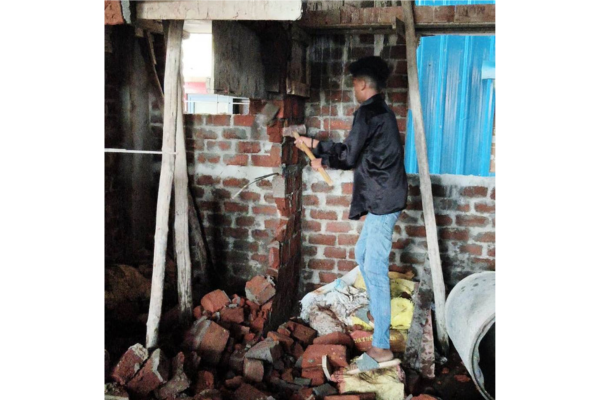
Navi Mumbai Municipal Corporation (NMMC) has undertaken demolition action against an unauthorised construction at A-270, Sector 2, Airoli, after the structure continued to be built despite a statutory notice issued under the Maharashtra Regional and Town Planning Act, 1966. The enforcement drive was carried out by the civic body's Encroachment Department under the directions of Municipal Commissioner Dr Kailas Shinde and the supervision of senior municipal officials. The action resulted in the partial removal of the unauthorised structure, with demolition teams, labourers, machinery and police personnel deployed for the operation. NMMC has stated that enforcement against unauthorised constructions within its jurisdiction will continue in the coming period.Read more
3 hours ago
AFC Furniture Solutions has joined the UN Global Compact Network India (UNGCNI) as an Annual Business Participant for the 2026–27 period, reinforcing its commitment to sustainability, ethical manufacturing and responsible business practices. The move aligns the company with the UN Global Compact's Ten Principles covering human rights, labour, environment and anti-corruption, while supporting the United Nations Sustainable Development Goals. AFC said the participation builds on its existing sustainability initiatives, including lifecycle assessments, greenhouse gas reduction measures and the use of low-emission materials. The company will engage with UNGCNI programmes, submit annual progress disclosures and expand efforts around responsible manufacturing, supply chain transparency and workplace safety as demand grows for ESG-focused workplace and infrastructure solutions.Read more

3 hours ago
Spring House Workspaces has expanded its managed workspace portfolio with the launch of a 55,000 sq ft flexible office centre at Orchid Centre on Golf Course Road, Gurugram. The new facility, located in the LEED Platinum-certified commercial development, offers more than 1,300 seats and is designed to serve startups, growing companies and enterprise occupiers. The launch strengthens the operator's presence in one of the National Capital Region's most active office markets, where demand for flexible and managed workspaces continues to grow. The centre forms part of Spring House's broader expansion strategy focused on premium, design-led workspace solutions across key urban markets in India.Read more

4 hours ago
Casagrand Commercial, the commercial real estate division of Casagrand Group, has entered the Coimbatore office market with the launch of Casagrand Crown, its first commercial project in the city. Announced on June 24, the development is located on Avinashi Road and offers around 1 lakh sq. ft. of Grade A office space targeted at IT and ITES companies, Global Capability Centres (GCCs), startups, co-working operators and corporate occupiers. The project has been fully pre-leased to IndiQube, highlighting sustained occupier demand for institutional-quality office space in Coimbatore. The launch forms part of Casagrand Commercial's expansion strategy following the establishment of its commercial business in 2023 and adds to a growing portfolio of office and retail developments spanning more than 4 million sq. ft. across southern India.Read more

6 hours ago
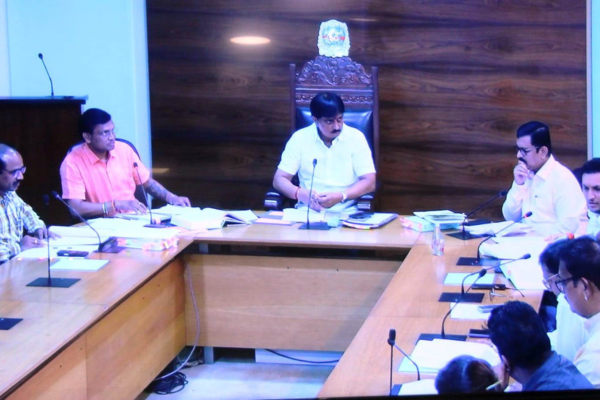
The Standing Committee of the Navi Mumbai Municipal Corporation (NMMC) has approved a series of civic infrastructure projects covering parks, drainage systems, sewerage networks and sports infrastructure across multiple nodes of the city. The proposals, presented by Municipal Commissioner Dr Kailas Shinde and approved unanimously under the chairmanship of Standing Committee Chairman Ashok Bhauso Patil, include the redevelopment of two public parks in Vashi, sewerage upgrades in Nerul, repairs to the boundary wall at Rajiv Gandhi Sports Complex in CBD Belapur, and drainage and footpath works in Ghansoli. Collectively, the sanctioned projects are intended to improve public amenities, strengthen urban infrastructure and address long-standing civic issues affecting residents in several neighbourhoods.Read more
Advertisement

7 hours ago
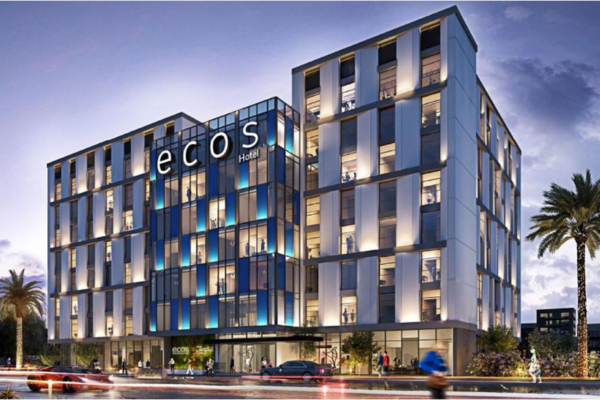
ECOS Dubai Hotel at Al Furjan has launched a summer hospitality campaign featuring a half-board accommodation package and a Dubai Summer Surprises (DSS) direct-booking discount. The initiative is aimed at families, couples and UAE residents seeking affordable staycation options during the summer season. The hotel's "ECOS Summer Escape 2026 with Half Board" package starts at AED 299 per night, excluding tourism fees, and includes accommodation, meals and leisure access. Alongside the package, guests booking directly through the hotel's website can receive discounts of up to 30% on the best available room rates as part of the wider DSS tourism programme. The offer is available for a limited period during the summer months.Read more
8 hours ago
Duville Estates has reaffirmed its focus on a design-led development approach centred on long-term usability, space efficiency and community creation as it evaluates expansion opportunities across East Pune and other markets in Maharashtra. The developer said its philosophy is guided by a legacy dating back to 1810 and focuses on creating residential communities that remain relevant over time rather than following short-term architectural trends. The company highlighted the growing significance of Pune’s eastern corridor as a residential and commercial growth destination and said future projects will continue to emphasise thoughtful planning, functionality and sustainability. Duville Estates currently operates in Mumbai and Pune, with its 31-acre Riverdale township in Kharadi serving as its flagship development.Read more

9 hours ago
UK-based property fund manager First Property Group reported a 12.2% year-on-year increase in profit before tax for the financial year, supported by higher rental income, gains from property sales and lower operating costs. The company's diluted earnings per share rose 10.4% to 1.81 pence, while profit before tax reached GBP 3.40 million. Following the improved performance, the company proposed a final dividend of 0.25 pence per share, marking the return of shareholder payouts. Management said market conditions remain challenging but sees attractive investment opportunities and maintains a positive outlook.Read more

Advertisement






10 hours ago
Industry stakeholders have welcomed the NCR Regional Plan 2041, stating that the framework could accelerate the transition of the National Capital Region towards a multi-nodal urban development model. Developers and property consultants said the plan’s focus on decentralisation, transit-oriented development, regional connectivity and economic growth centres is likely to strengthen demand across emerging markets such as Sonipat, Jewar and Bhiwadi, while reinforcing the position of established hubs including Noida and Gurugram. The plan envisions a regional economy valued at approximately INR 20 lakh crore and accommodation for more than three crore residents through planned urban expansion. Industry executives highlighted the role of major infrastructure projects, including the Regional Rapid Transit System (RRTS), metro extensions, the Kundli-Manesar-Palwal Expressway and Noida International Airport, in driving future residential, commercial and industrial development across NCR.Read more

11 hours ago
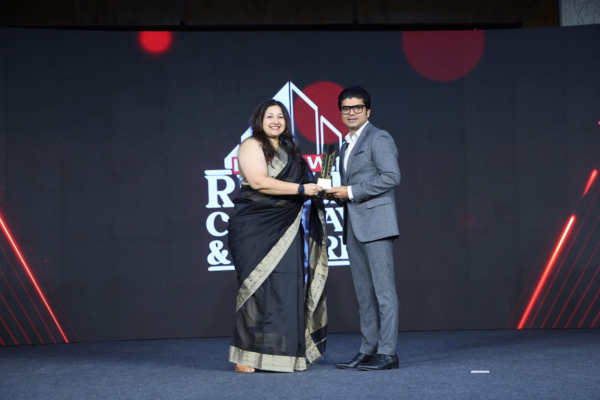
BPTP’s residential project Skynest in Sector 80, Greater Faridabad, has been recognised with the ‘Landmark High-Rise Development of the Year’ award at the ET NOW Realty Conclave & Awards 2026. The project comprises twin residential towers rising to approximately 150 metres and incorporates green building features, landscaped sky decks and community-oriented amenities. Located along the Faridabad Bypass Road corridor, Skynest is positioned within the rapidly developing Greater Faridabad residential market. The development has been planned with support from a team of international and domestic consultants across architecture, engineering, sustainability and design disciplines. The recognition highlights the project's design approach and reflects growing development activity in Faridabad, which continues to emerge as an important residential destination within the National Capital Region (NCR).Read more
Advertisement

12 hours ago
Lok Sabha Speaker Om Birla has called upon IIT alumni to play a greater role in shaping reforms across sectors and contribute practical solutions to challenges faced by citizens. Speaking at the launch of the book IIT: The Story of India’s Most Prestigious Educational Ecosystem and the inauguration of the PanIIT Book Club at IIT Delhi, Birla said the experience and expertise of IIT graduates should be leveraged by Parliamentary Standing Committees. The event, organised by Pan IIT Alumni India to mark 75 years of the IIT ecosystem, brought together more than 400 alumni, policymakers, entrepreneurs and industry leaders. Discussions focused on innovation, self-reliance, technology development and the role of IITs in supporting India's vision of becoming a developed nation by 2047.Read more

13 hours ago
Banke International Properties has entered into Association of Persons (AOP) partnerships with several major developers in the Mumbai Metropolitan Region (MMR), covering residential inventory valued at approximately INR 10,000 crore. The portfolio includes projects by Godrej Properties, L&T Realty, Piramal Realty, Lodha and MS Realty across the western suburbs, Thane and other emerging residential corridors. Through the agreements, the company aims to generate around INR 500 crore in sales during the current financial year, contributing to its overall sales target of INR 1,000 crore. The partnerships are structured around a performance-driven sales framework intended to strengthen collaboration between developers and channel partners, while supporting customer acquisition across domestic and non-resident Indian (NRI) buyer segments.Read more
14 hours ago
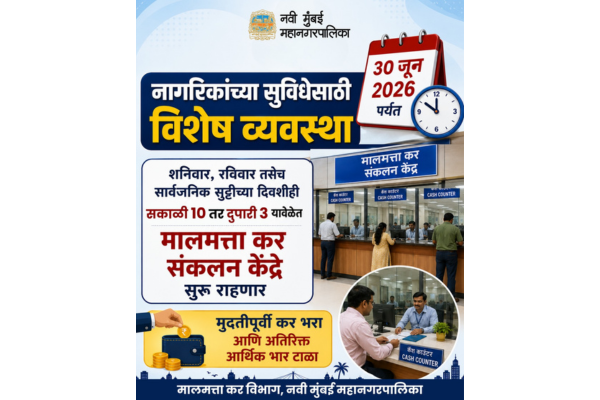
Navi Mumbai Municipal Corporation (NMMC) has announced that its property tax collection centres will remain operational on weekends and public holidays until June 30, 2026, enabling property owners to complete payments before a 2% late payment charge comes into effect from July 1. The special arrangement covers the civic body's headquarters, all eight ward offices and their affiliated tax collection centres, which will function between 10 am and 3 pm. Alongside physical payment facilities, NMMC has also urged taxpayers to utilise its digital payment platforms, including its website, mobile application, WhatsApp chatbot, QR code-enabled payments and UPI services, to ensure timely tax compliance and avoid additional financial liability.Read more
27 Jun 2026
• The Telangana Fire Services Department has initiated legal action against Sky100 Kitchen and Bar in Madhapur and Venkateshwara Coliving & PG Hostel in Kondapur over alleged fire safety violations.
• Inspections found that both establishments failed to install mandatory firefighting equipment and did not comply with prescribed fire safety norms.
• Authorities have directed the managements to immediately address the deficiencies and ensure compliance with fire safety regulations.
• The action is part of a wider enforcement drive across Hyderabad following increased scrutiny of fire safety standards in commercial and residential buildings.
• Officials said inspections and monitoring will continue as the department focuses on improving safety preparedness in high-occupancy properties.Read more

27 Jun 2026
The US Federal Reserve has found that the country's 32 largest banks remain well-capitalised and capable of withstanding a severe economic downturn while continuing to lend. The annual stress test showed banks could absorb more than USD 700 billion in hypothetical losses and still remain above minimum capital requirements. Following the results, several major lenders, including JPMorgan Chase, Goldman Sachs, Morgan Stanley, State Street and Wells Fargo, announced dividend increases and share buyback plans. The findings also come as regulators consider broader changes to bank capital rules.Read more

Advertisement

27 Jun 2026
Bolt.Earth has entered into a strategic partnership with MapmyIndia to improve the discoverability of its electric vehicle charging infrastructure across India. Under the collaboration, approximately 350 of Bolt.Earth’s Level 2 and Level 3 chargers have been integrated into MapmyIndia’s maps and navigation platforms through the Open Charge Point Interface (OCPI) protocol. The integration will enable users to locate charging stations directly through MapmyIndia’s applications while expanding visibility for charger owners beyond the Bolt.Earth ecosystem. The partnership comes as India’s electric mobility sector continues to expand and charging accessibility remains a critical factor in EV adoption. MapmyIndia stated that its platforms now provide access to information on more than 18,000 EV charging points nationwide through integrations with multiple ecosystem partners.Read more

27 Jun 2026
Luxury tented resorts are increasingly finding favour among hospitality developers and travellers seeking immersive experiences that combine nature, comfort and destination-led storytelling. Moving beyond conventional hotels, these projects are being designed as integrated hospitality ecosystems that blend sustainability, mobility and premium accommodation. Design consultancy EuMo DesignIntelligence has contributed to several such developments across India and overseas, including projects in Ranthambore, Ladakh, Hampi, Nagaland, Bandhavgarh and Nigeria. The trend reflects changing traveller preferences towards experiential tourism, wildlife-based stays and wellness-focused destinations. Industry stakeholders note that luxury tented hospitality is evolving from a niche offering into a recognised segment within the broader tourism and resort real estate market, supported by growing demand for distinctive travel experiences and environmentally responsive development models.Read more

27 Jun 2026
Central Park Resorts conducted a live demonstration and mock drill of its rainwater harvesting (RWH) system management at Central Greens in Sector 48, Gurugram, on June 19. Organised following the direction of the Principal Advisor, Urban Development, Government of Haryana, the exercise was attended by officials from the Gurugram Metropolitan Development Authority (GMDA) and representatives from around 30 group housing societies and resident welfare associations. The demonstration covered maintenance procedures, recharge pit inspections, pre-monsoon preparedness measures, structural assessments and water recharge capacity evaluations. The initiative highlighted the growing importance of sustainable infrastructure in residential developments as developers increasingly focus on water conservation, regulatory compliance and long-term community resilience. The exercise also showcased operational practices aimed at strengthening rainwater harvesting performance ahead of the monsoon season.Read more

27 Jun 2026
Ladun Investment Company has signed a major infrastructure development contract for the Namar land project under the first phase of Saudi Arabia’s Real Estate Balance Program. The agreement, awarded by Al-Ayuni Investment and Contracting Company, is valued at SAR 326.7 million and will be executed by Ladun over a five-year period. The project focuses on developing key infrastructure for the Namar land area and adds to Ladun’s portfolio of construction and development assignments linked to the Kingdom’s ongoing urban expansion and real estate development initiatives.Read more

27 Jun 2026
Navi Mumbai Municipal Corporation (NMMC) has disconnected the water supply and sewerage connection to Amoli Co-operative Housing Society Ltd at Plot No. 28, Sector 30, Sanpada, after the building continued to be occupied despite being classified as a C-1 (highly dangerous and unfit for habitation) structure. The building had been declared unsafe during the 2019–20 structural assessment, and notices directing occupants to vacate had already been issued. The civic body stated that the action was taken in compliance with directions of the Bombay High Court to facilitate the evacuation of dangerous buildings. Electricity supply to the building will also be disconnected shortly as part of the ongoing enforcement process.Read more
Advertisement

27 Jun 2026
District by Zomato has entered into a strategic partnership with PadelPark India to integrate bookings for the latter's padel courts onto its platform, aiming to simplify access to the rapidly growing sport. Announced on June 25, the collaboration covers 11 7Padel facilities across Mumbai, Bengaluru and Pune, enabling users to discover venues and reserve courts through the District app. The partnership comes amid increasing interest in padel as a recreational and fitness activity in urban India, with both companies seeking to improve accessibility and encourage wider participation. The collaboration also reflects the growing convergence of digital platforms and sports infrastructure as operators look to streamline customer experiences and support the expansion of organised recreational sports.Read more

27 Jun 2026
Golden Growth Fund (GGF) has announced the final close of its maiden Alternative Investment Fund (AIF) with assets under management of INR 101 crore. The Category II real estate-focused fund, launched in September 2024, invests exclusively in South Delhi residential markets and reported a net asset value (NAV) growth of 61% as of March 2026. The fund has deployed capital across three projects in Anand Niketan, Neeti Bagh and Gulmohar Park, with listed developer Grovy India Ltd serving as the development partner. According to the fund, South Delhi’s luxury residential market continued to witness strong price appreciation during the first quarter of 2026, supporting investor interest in specialised real estate investment vehicles focused on premium micro-markets.Read more

27 Jun 2026
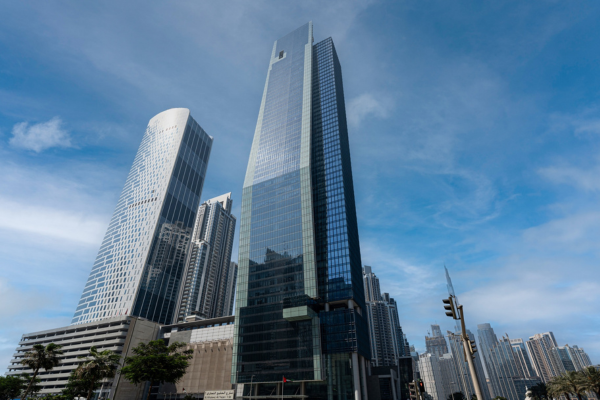
fäm Properties has facilitated the sale of approximately 40,000 sq ft of Grade A office space at Vision Tower in Business Bay, Dubai, for AED 124 million. The transaction, described by the company as the largest commercial office deal of its kind recorded in Dubai, involved the acquisition of a contiguous block of office space spread across multiple floors by a UAE-based company. The purchase forms part of the buyer’s expansion strategy and highlights continued demand for premium office assets in established business districts. The deal also reflects sustained occupier and investor interest in institutional-grade commercial properties amid ongoing activity across Dubai’s key office markets.Read more
27 Jun 2026
Knauf India has reinforced its expansion strategy in North-East India through a dealers’ meet held in Guwahati, bringing together channel partners, dealers and senior company executives to discuss growth opportunities across the region’s construction sector. The engagement forms part of the company’s broader efforts to deepen its presence across the Seven Sister States amid rising urbanisation, residential development and infrastructure investment. Senior leadership highlighted the importance of strengthening dealer networks and promoting modern construction technologies, while product demonstrations showcased the company’s drywall and ceiling solutions. The initiative comes as government-backed infrastructure programmes and growing construction activity across cities such as Guwahati, Shillong and Agartala continue to create opportunities for building material manufacturers seeking to expand their regional footprint.Read more

27 Jun 2026
Warehouse developer and landlord Segro has rejected an all-share takeover proposal from U.S.-based logistics real estate company Prologis that valued the UK firm at approximately GBP 12.6 billion (USD 16.62 billion). The proposal offered Segro shareholders new Prologis shares at a value representing a significant premium to the company's latest market price. Following the rejection, Prologis has appealed directly to shareholders and must decide by July 22 whether to submit a formal offer or withdraw its interest under UK takeover regulations. The proposed deal would have brought together two major players in the global logistics property sector.Read more

Advertisement

27 Jun 2026
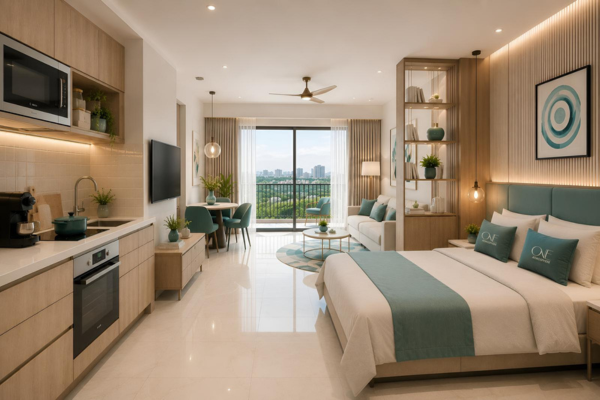
One Atmosphere, the premium serviced apartment brand of Atmosphere Core, has outlined plans to invest INR 500 crore to expand its luxury apart-hotel business across India and selected international markets. Announced on June 25, the company aims to sign approximately 7,500 keys over the next five years through an asset-light model based on management and lease agreements. The expansion will begin with the opening of One Atmosphere Suites at Corner Walk, Gurgaon, in partnership with M3M India, scheduled for September 2026. The brand will target corporate travellers, expatriates, families and extended-stay guests, with around 60% of inventory expected to be driven by corporate partnerships. Planned domestic expansion includes Gurgaon, Noida, Bengaluru, Mumbai and Hyderabad, alongside international growth across Cambodia, Indonesia, Sri Lanka, Thailand and the UAE.Read more
27 Jun 2026
From Dubai's branded residences to Tokyo's transit-oriented housing, global cities are increasingly shaping how homes are designed, marketed and experienced in India. Developers are drawing inspiration from international urban models that prioritise convenience, wellness, sustainability and integrated living. The influence is visible across Mumbai, Gurugram, Bengaluru, Pune, Hyderabad and Chennai, where residential projects are evolving beyond traditional apartment formats. Here are ten global housing trends that have crossed borders and are now redefining India's residential landscape.Read more

27 Jun 2026
Noctourism is emerging as a growing travel trend among Indian travellers, with increasing interest in experiences centred around night skies, celestial events and seasonal natural phenomena. Destinations across Ladakh, Himachal Pradesh, Gujarat, Rajasthan, Maharashtra, Karnataka, Kerala, the Andaman Islands and the Northeast are attracting visitors seeking activities such as stargazing, meteor shower viewing, supermoon observation and firefly watching. Travel companies Thomas Cook India and SOTC Travel have highlighted a range of locations where low light pollution, remote landscapes and favourable environmental conditions offer opportunities for astronomy-based tourism and nature-led experiences after sunset. The trend reflects changing travel preferences, with travellers increasingly planning journeys around unique natural events, outdoor experiences and less conventional forms of tourism.Read more

27 Jun 2026
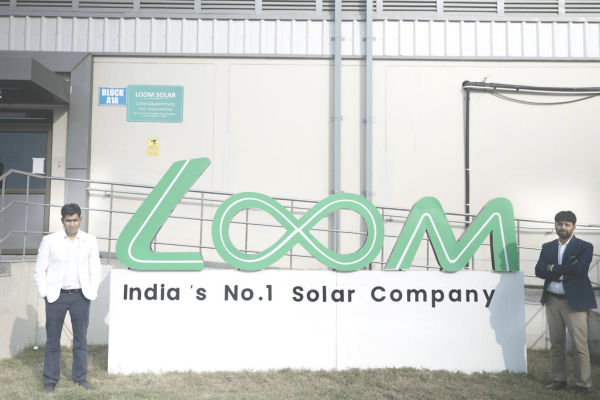
Loom Solar has reported annual turnover exceeding INR 1,000 crore, marking a significant milestone for the Faridabad-based solar manufacturer founded in 2018. The company said the achievement reflects growth driven by domestic manufacturing, product innovation and an expanding distribution network across India. Loom Solar currently manufactures solar modules, hybrid inverters and battery energy storage systems and plans to scale its production capacity to 1.2 GW for solar panels and 1 GW for inverters by the end of 2026. With more than one lakh customers served and a network comprising 15,000 channel partners and 500 distributors, the company is targeting installation of solar and energy storage systems in over one million homes by 2030, aligning its expansion plans with the country's growing rooftop solar and clean energy ambitions.Read more
27 Jun 2026
PropIQ World has launched LandlordScore, a tenant-led review platform designed to introduce greater transparency and accountability into India’s rental housing market. The platform enables tenants to submit verified reviews of landlords based on security deposit refunds, maintenance responsiveness, dispute history, communication standards and overall tenancy experience. The launch addresses a longstanding information imbalance in the rental ecosystem, where landlords routinely evaluate prospective tenants while tenants often have little visibility into a landlord’s track record before signing a lease. The initiative forms part of PropIQ World’s broader ambition to build a comprehensive real estate intelligence platform for Indian consumers.Read more

Advertisement

27 Jun 2026
Spain is witnessing growing demand for luxury homes from wealthy buyers in Poland, the United States and Gulf countries, as geopolitical tensions and political uncertainty encourage investors to seek stable destinations. Industry experts say conflicts in Ukraine and the Middle East, along with developments in U.S. politics, are influencing purchasing decisions. Madrid and Costa del Sol have emerged as key destinations, while rising property values, tax advantages in some regions and Spain's stable economic environment are further supporting demand. The trend is also contributing to higher housing prices in popular markets.Read more

27 Jun 2026
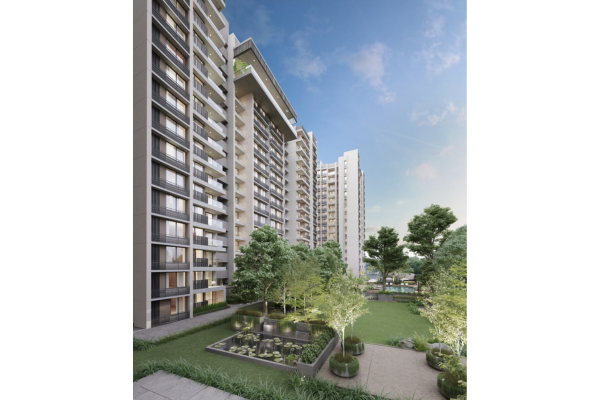
Arvind Smartspaces Limited (ASL) has received an upgrade to an AA-/Stable credit rating from India Ratings & Research, reflecting its improved operating scale, steady cash flow generation and disciplined financial management. Announced on June 24, the upgrade follows a year of higher residential sales, stronger customer collections and healthy operating cash flows during FY26. The Ahmedabad-headquartered developer reported booking value of INR 1,550 crore, collections of INR 1,100 crore and operating cash flows of INR 417 crore for the financial year. India Ratings noted that the company has maintained adequate internal cash generation to fund expansion while preserving a balanced financial profile. ASL is also advancing its geographical expansion into the Mumbai Metropolitan Region (MMR), alongside its established presence in Ahmedabad and Bengaluru, to diversify its project portfolio and reduce market concentration.Read more
27 Jun 2026
Consumer confidence in homeownership in the United States has improved, with a majority of respondents now preferring to buy a home rather than rent or live with family. According to Bank of America's latest Homebuyer Insights Report, this is the first time since 2023 that sentiment has shifted in favor of homeownership. While affordability challenges, elevated mortgage rates and limited housing supply continue to affect the housing market, prospective buyers appear increasingly willing to move ahead with purchase plans. Younger generations, particularly Gen Z and millennials, are driving this change in outlook.Read more

27 Jun 2026
Platinum Corp has launched Platinum Stellar: Bespoke Presidential Suites, a luxury residential development on Main Avenue in Santacruz West, Mumbai. The project has been conceived as a low-density residential offering featuring homes of 2,500 sq ft and above, including full-floor residences. Positioned within one of Mumbai’s established premium residential neighbourhoods, the development incorporates an Art Deco-inspired design approach and includes a collaboration with interior designer Sussanne Khan. The project targets high-net-worth individuals, business owners and end-users seeking larger homes in the Bandra-Khar-Santacruz micro-market. Platinum Corp, which has delivered approximately 1.75 million sq ft across Mumbai’s suburbs over the past 15 years, said the launch forms part of its broader strategy to expand its portfolio of premium residential developments across the city.Read more

27 Jun 2026
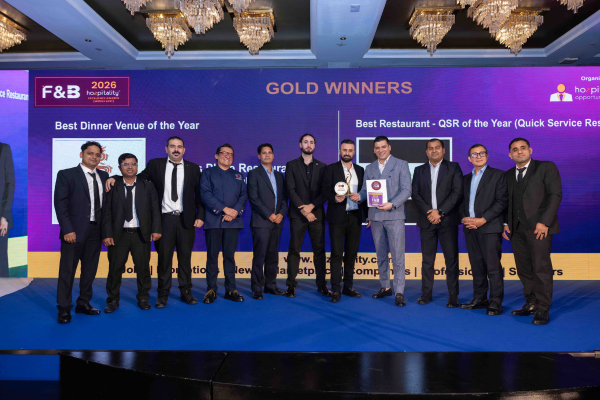
Bahi Ajman Palace Hotel has secured several accolades at the Hozpitality Group’s Middle East Chef Excellence Awards, F&B Excellence Awards and Leaders Powerlist 2026, recognising the performance of its culinary and food and beverage teams. The hotel received individual honours across leadership, kitchen management, culinary and restaurant service categories, while its signature dining outlet, Dragon’s Place Restaurant, was named Best Dinner Venue of the Year. The awards highlight the property’s efforts to deliver quality dining experiences and strengthen its standing within the UAE hospitality sector. Senior executives and team members were recognised for their contributions to food service operations, culinary innovation and guest experience management across the hotel’s dining portfolio.Read more
Advertisement

27 Jun 2026
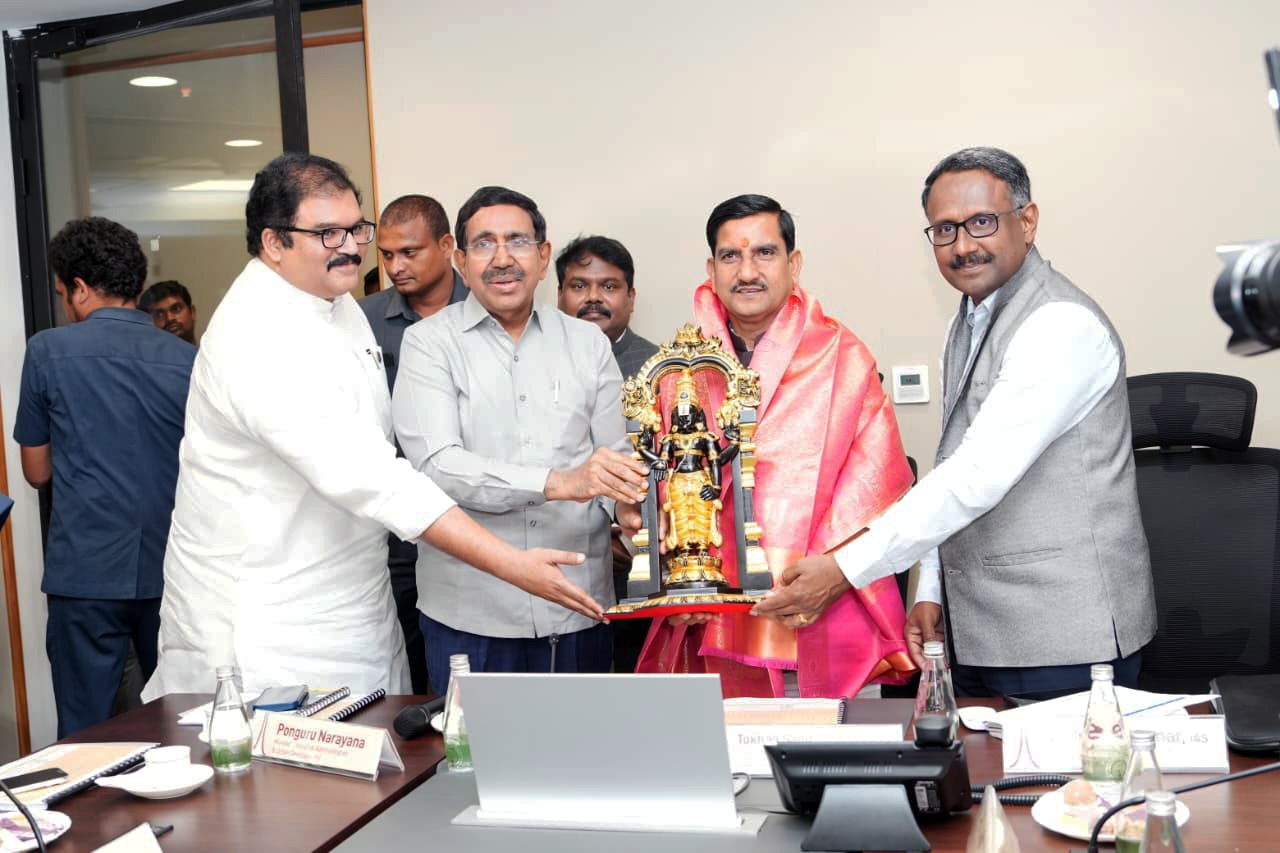
Union Minister of State for Housing and Urban Affairs Tokhan Sahu visited Amaravati and reviewed the progress of key infrastructure and urban development projects being undertaken in the capital city. During the visit, he held discussions with senior state government officials and reviewed ongoing works related to roads, government buildings, housing, urban infrastructure and smart city initiatives. The minister also inspected the Amaravati Digital Twin model and received detailed presentations on the city's master plan and development strategy. He appreciated the progress achieved so far and reaffirmed the Centre's support for Andhra Pradesh's urban development initiatives.Read more
27 Jun 2026
Sugee Group has marked the completion of its luxury residential project, Sugee Marina Bay, with a stakeholder event held at the Jio World Convention Centre in Mumbai. The gathering brought together homeowners, consultants, contractors, financiers, architects and project teams involved in the development’s delivery. The event recognised the contributions of stakeholders who participated in the project from its launch in 2021 through to completion. A key highlight was the unveiling of three BMW i7 vehicles, which will be available exclusively for residents. The celebration also featured cultural performances and reflected the developer’s focus on community building following project completion. The handover milestone marks the transition of Sugee Marina Bay from a completed residential development to an operational residential community for homeowners.Read more

27 Jun 2026
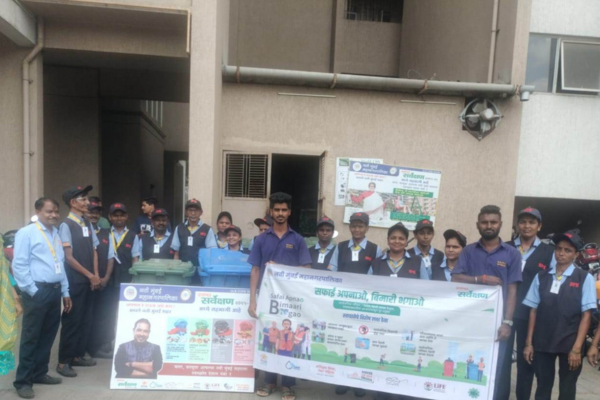
The Navi Mumbai Municipal Corporation (NMMC) has initiated a series of special cleanliness drives and public awareness campaigns across the city as part of preparations for Swachh Survekshan 2025-26. Scheduled between June 15 and June 30, 2026, the initiative covers railway stations, the Sion-Panvel Highway, slum settlements, village areas, lakes, creek fronts, public and community toilets, back lanes and other neglected locations. Alongside intensive cleaning activities, the civic body is promoting compliance with Solid Waste Management Rules, 2026, encouraging households to segregate waste into four categories and urging bulk waste generators, including housing societies and institutions, to process waste within their premises. The campaign is being implemented across all eight ward office jurisdictions through extensive public outreach and on-ground inspections.Read more
27 Jun 2026
Karyan Group has performed the Bhoomi Poojan ceremony for Trevana Residences, its recently launched luxury housing project on NH-24 opposite Wave City in Ghaziabad, formally commencing construction of the development. The NCR-based developer is investing INR 900 crore in the project and expects to generate nearly INR 1,500 crore in revenue. Scheduled for completion by 2030, the development will comprise 3 and 4 BHK residences supported by a 45,000 sq. ft. clubhouse, lifestyle amenities and sustainable infrastructure. Located along the NH-24 corridor with connectivity to Delhi, Noida and Meerut, the project is aimed at premium homebuyers and investors. The launch comes amid sustained demand for luxury and upper mid-segment housing across the National Capital Region, particularly in emerging residential corridors.Read more

27 Jun 2026
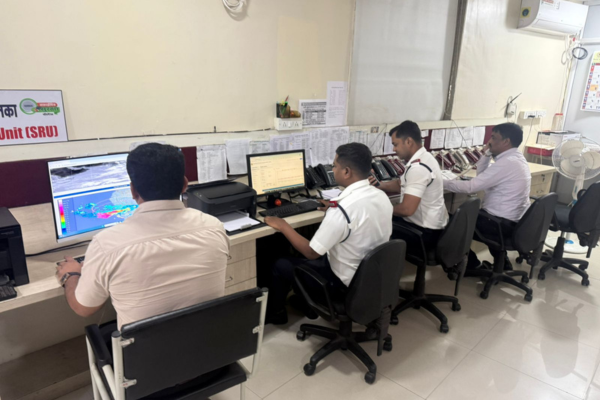
The Navi Mumbai Municipal Corporation (NMMC) has intensified its monsoon preparedness measures following heavy rainfall across the city, with emergency response teams and control rooms operating round the clock. Between the morning of June 23 and the morning of June 24, the civic body recorded an average rainfall of 125.23 mm, with Belapur receiving the highest precipitation of 139.40 mm and Digha the lowest at 114.40 mm. Cumulative rainfall for the current monsoon season has reached 148.15 mm. The civic administration has deployed water pumping systems in low-lying areas, activated disaster management and fire response teams, and instructed field staff to ensure uninterrupted stormwater drainage and remove fallen tree branches. Residents have also been advised to use dedicated emergency helplines and avoid acting on unverified information.Read more
Advertisement

26 Jun 2026
The West Bengal government has ordered a temporary halt to under-construction commercial projects across the Kolkata Municipal Corporation (KMC) area until July 31 following the collapse of an under-construction warehouse in Taratala that claimed multiple lives and left several workers injured. The suspension forms part of a wider safety review of projects approved under the previous administration, with authorities directing comprehensive audits of building plans, construction quality and regulatory compliance. The move comes amid concerns over structural safety standards in ongoing developments and is expected to impact commercial real estate activity across Kolkata in the near term. The government has indicated that projects will be allowed to resume only after undergoing scrutiny and meeting prescribed safety requirements.Read more

26 Jun 2026
Japan-based Jamco Interiors plans to invest USD 150 million in India to expand its engineering and supply chain operations, with Pune set to emerge as a key global aerospace design hub. The company has inaugurated a Centre of Excellence in Pune to strengthen capabilities in design, certification and product development. The investment will support global aviation programmes, enhance local sourcing and create skilled jobs, reflecting the growing role of India in the international aerospace manufacturing and engineering ecosystem.Read more

26 Jun 2026
• A Brihanmumbai Municipal Corporation (BMC) committee has approved a proposal to alter the reservation status of a prominent MHADA-owned plot near Bandra Reclamation.
• The land, previously reserved for recreational use including a playground, is proposed to be redesignated for an exhibition and convention-related facility.
• The move has triggered opposition from local residents, sports groups and civic activists who argue that Mumbai is already facing a shortage of open public spaces.
• The proposal will proceed through further planning and approval processes before any final development can take place on the site.Read more

26 Jun 2026
Deep-tech startup Airbound has signed a memorandum of understanding with Andhra Pradesh Drone Corporation to develop a drone delivery network across the Amaravati Capital Region. The initiative will connect Amaravati, Vijayawada and Guntur through drone-based logistics services covering healthcare, e-commerce and commercial deliveries. The project will begin with pilot operations and route mapping before expanding into interconnected drone corridors. The partners aim to enable 10,000 daily drone flights across Andhra Pradesh over the coming year, supporting faster deliveries, improved connectivity, investment opportunities and growth in the state's emerging drone ecosystem.Read more

26 Jun 2026
The Forest Advisory Committee (FAC) has recommended in-principle approval for the diversion of 197 hectares of forest land for the 820 MW Kirthai-II Hydroelectric Project on the Chenab River in Jammu and Kashmir. The project, to be developed by Chenab Valley Power Projects Limited in Kishtwar district, had earlier secured environmental clearance recommendations subject to forest approval. The run-of-the-river scheme will require the felling of 8,723 trees and forms part of a broader hydropower development programme in the Chenab basin.Read more

Advertisement



Advertisement