Advertisement










Private equity has played a significant role in shaping Indi...
In today’s real estate landscape, fitness is often treated...
In this episode of Prop Personalities, we sit down with Hars...
Luxury real estate is one of the most talked-about segments ...
Welcome to Prop Personalities by Prop News Time - a podcast ...
The Delhi High Court has upheld the New Delhi Municipal Council’s decision to terminate Bharat Hotels’ licence for The LaLit hotel and revived a long-pending licence fee demand of INR 1,063.74 crore. The court found that the company violated key terms of the 1982 agreement by allowing unauthorised transfers within the commercial complex. It also set aside a 2023 single-judge relief order. The ruling directs the hotel operator to hand over possession within 90 days, strengthening NDMC’s position over public land use and compliance.
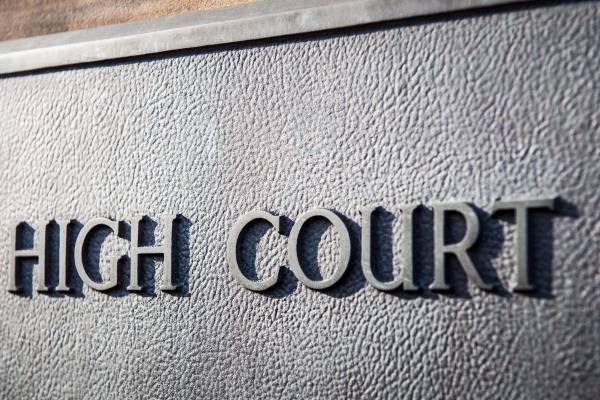
The Delhi High Court has upheld the New Delhi Municipal Council’s (NDMC) decision to terminate its licence agreement with Bharat Hotels Ltd for the land on which The LaLit hotel operates in central Delhi. The court also reinstated a licence fee demand of INR 1,063.74 crore, reversing relief granted to the company earlier. Advertisement


The matter relates to a licence deed signed in 1982, under which Bharat Hotels was allowed to develop and operate a five-star hotel along with commercial spaces on a 6.058-acre land parcel at Barakhamba Lane. The agreement was structured for a long tenure of 99 years, with an initial annual licence fee of INR 1.45 crore, subject to periodic revisions over time based on predefined terms.
Issues arose after NDMC observed that portions of the commercial complex, including spaces within the World Trade Center, were transferred or commercially dealt with without prior approval from the civic body. The court noted that such transactions were not in line with the licence conditions and held that the company was aware of these arrangements and could not deny its role in them.
NDMC had issued a demand notice in 2020 seeking over INR 1,063 crore towards arrears of licence fees along with interest, and also terminated the licence agreement. Bharat Hotels challenged both the demand and termination before the High Court. In 2023, a single-judge bench had set aside the demand and the termination, giving interim relief to the company.
A division bench led by the Chief Justice and another judge overturned that order in the past week. The court held that there was a clear breach of the licence terms and that NDMC was within its rights to terminate the agreement. It further ruled that the earlier order had not properly considered the extent of violations and the financial implications involved.
The court also directed Bharat Hotels to hand over possession of the property to NDMC within 90 days. This direction is significant as it directly impacts the continued operation of The LaLit hotel at the site.
The judgement pointed out that allowing such deviations in public land agreements could result in financial losses to civic authorities. It observed that any shortfall in revenue recovery would ultimately affect public finances and could shift the burden onto taxpayers through higher municipal levies.
The bench also took note of how licence fee structures evolved over time. While the original agreement had certain limits on increases, subsequent changes in ground rent created a gap between what was payable and what was recovered. This gap, the court observed, should not be absorbed by the public authority.
The case is one of several disputes involving long-term land licences in prime urban areas, where terms agreed decades ago are being re-examined in light of current commercial practices. For NDMC, the ruling strengthens its authority in enforcing compliance in such agreements.
For Bharat Hotels, the decision creates both operational and financial challenges, as it faces the possibility of losing control over a key hospitality asset while also dealing with a substantial financial liability.
Source PTI

5th Jun, 2025

25th May, 2023

11th May, 2023

27th Apr, 2023
Advertisement





 Facebook
 Whatsapp
