Advertisement










Private equity has played a significant role in shaping Indi...
In today’s real estate landscape, fitness is often treated...
In this episode of Prop Personalities, we sit down with Hars...
Luxury real estate is one of the most talked-about segments ...
Welcome to Prop Personalities by Prop News Time - a podcast ...
The Mumbai–Pune Expressway missing link project is in its final stage, with work progressing quickly to meet the May 1 target for opening. The 13.3 km stretch aims to bypass the congested Khandala–Lonavala ghat section and reduce travel time by 25–30 minutes. Major construction, including tunnels and a cable-stayed bridge, is complete, while finishing work such as safety systems, surfacing, and testing is ongoing. Authorities have indicated that the opening will depend on final safety checks and approvals, as some last-mile work is still pending.
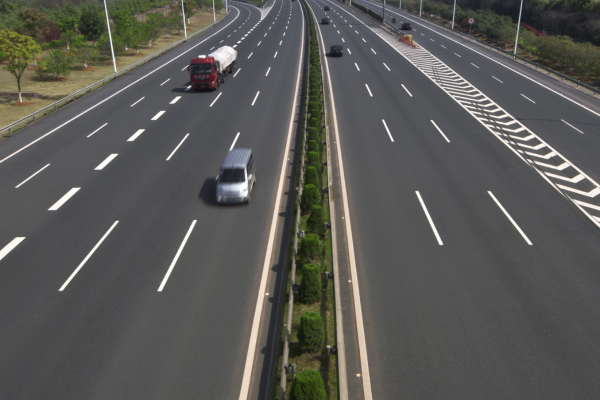
Work on the Mumbai–Pune Expressway’s missing link project has reached an advanced stage, with teams focusing on completing final activities before the proposed May 1 opening. The Maharashtra State Road Development Corporation (MSRDC) is overseeing the project, and officials have indicated that while most of the construction is complete, several critical finishing works are still underway. Advertisement


The missing link is a 13.3 km stretch designed to avoid the existing Khandala–Lonavala ghat section, which is known for heavy congestion, sharp curves, and frequent traffic slowdowns. This section of the expressway has remained a bottleneck for years, especially during weekends and peak travel periods. Once operational, the new alignment is expected to reduce travel time between Mumbai and Pune by around 25–30 minutes and shorten the route by approximately 6 km.
The project includes key engineering structures such as twin tunnels, a cable-stayed bridge, and multiple viaducts. The tunnels measure about 1.7 km and 8.8 km, making them among the longest road tunnels in India. The cable-stayed bridge, around 650 metres long, has been built to navigate difficult terrain in the Sahyadri hills and is one of the major highlights of the project.
Most of the structural work has already been completed. At present, teams are working on installing crash barriers, completing road surfacing, painting lane markings, and placing signage along the route. Testing of tunnel ventilation, lighting, and fire safety systems is also in progress. In addition, load testing of the bridge structure and checks on overall road safety systems are being carried out before opening the stretch to the public.
Officials have indicated that the proposed May 1 timeline is dependent on the completion of these safety-related works and final clearances. Any delay in approvals or finishing activities could push the opening slightly beyond the target. External factors, including supply-related disruptions, have also been flagged as possible reasons for minor delays.
The project has faced several delays since construction began in 2019. These were mainly due to challenges related to difficult terrain, monsoon conditions in the ghat section, and disruptions during the COVID-19 period. The deadline has been revised multiple times as a result.
The Mumbai–Pune Expressway, which became operational in 2002, is one of India’s busiest access-controlled highways. Traffic volumes have increased steadily over the years, putting pressure on sections like the ghat stretch. The missing link project was planned to address these issues by creating a faster and safer alternative route.
Once opened, the new stretch is expected to improve traffic flow, reduce congestion in the ghat section, and provide a smoother travel experience for both passenger and commercial vehicles.

5th Jun, 2025

25th May, 2023

11th May, 2023

27th Apr, 2023
Advertisement





 Facebook
 Whatsapp
