Advertisement










Private equity has played a significant role in shaping Indi...
In today’s real estate landscape, fitness is often treated...
In this episode of Prop Personalities, we sit down with Hars...
Luxury real estate is one of the most talked-about segments ...
Welcome to Prop Personalities by Prop News Time - a podcast ...
A long-standing garbage dump near the Rapti river in Gorakhpur has been redeveloped into an eco park and urban forest, with the project scheduled for inauguration shortly. The initiative involved scientific disposal of over 2.26 lakh metric tonnes of legacy waste, freeing nearly 40 acres of land for redevelopment. Executed at a total cost of around INR 41.5 crore, the project also includes a four-lane road and supporting infrastructure. The redevelopment is part of a broader push towards urban environmental restoration, addressing pollution concerns while creating public green space. The site, previously associated with methane emissions and fire hazards, has now been converted into a structured recreational and ecological zone.
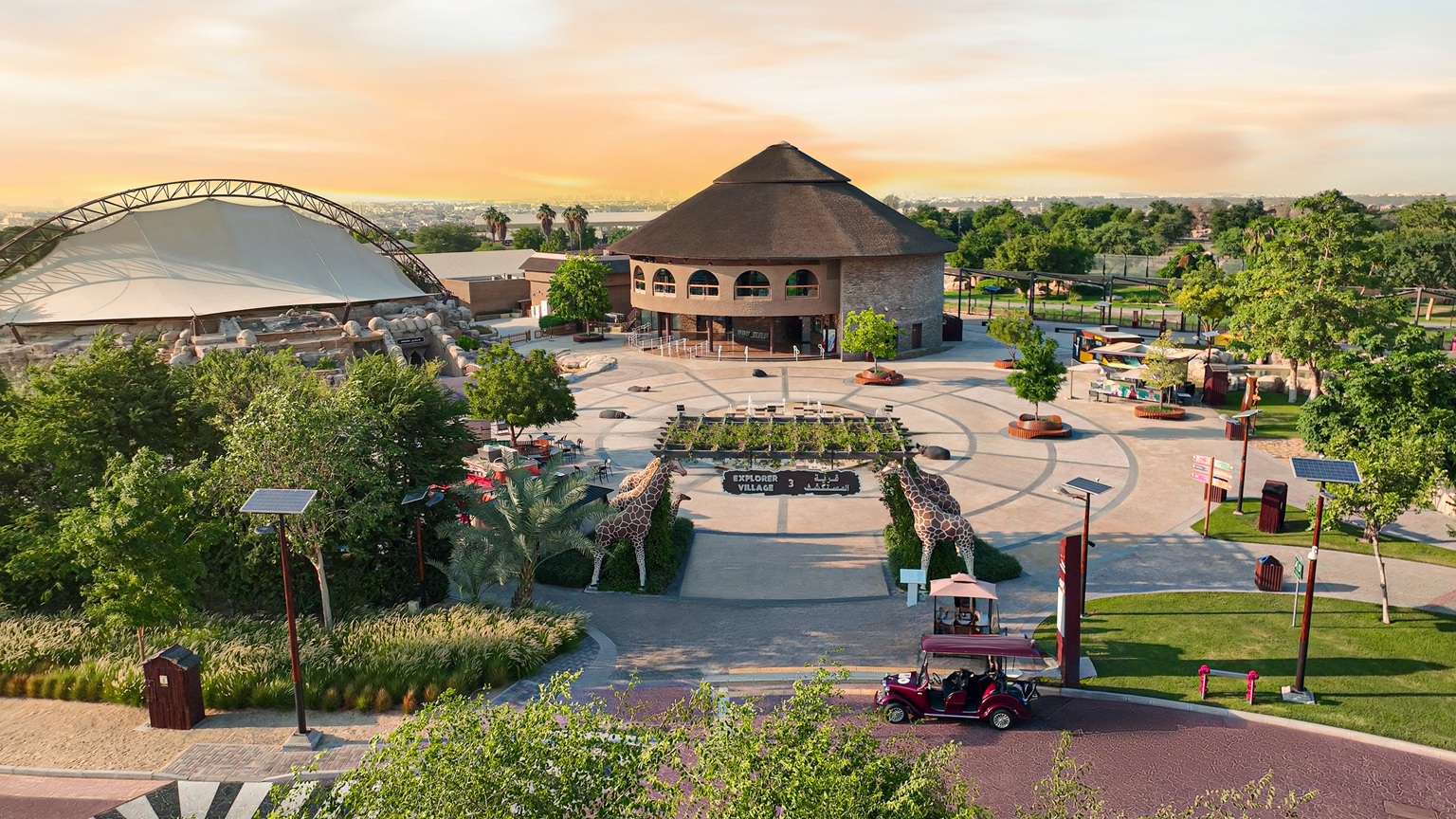
A decades-old garbage dumping site at Ekla Bandha near the Rapti river in Gorakhpur has been redeveloped into an eco park and city forest, with the Uttar Pradesh government set to formally open the project shortly as part of its urban regeneration efforts. Advertisement


The transformation was undertaken following the accumulation of legacy waste at the site, which had posed significant environmental and public health risks due to methane emissions, recurring fires and air pollution. The municipal authorities initiated a structured remediation plan involving bio-remediation and waste processing to clear the landfill and reclaim the land for public use.
Officials indicated that approximately 2.26 lakh metric tonnes of legacy waste were scientifically processed and removed, enabling the recovery of nearly 40 acres of land. The reclaimed area has since been developed into an eco park integrated with urban forestry elements, marking a shift in land use from waste disposal to environmental infrastructure.
The project forms part of a broader urban infrastructure upgrade, with total expenditure estimated at around INR 41.5 crore. This includes costs associated with waste disposal, park development and the construction of supporting infrastructure such as a four-lane road connecting the site to surrounding areas.
The eco park has been designed as a public recreational space with facilities including walking tracks, designated zones for yoga and meditation, and a children’s play area. Landscaping and green cover have been incorporated to improve local environmental conditions and provide a structured open space for residents.
In parallel, a nearly 2.9 km four-lane road has been developed in front of the park, enhancing connectivity across the corridor and linking the site to nearby urban stretches. The road infrastructure also includes green medians and supporting urban design features aimed at improving traffic flow and accessibility.
The redevelopment addresses long-standing concerns associated with unmanaged waste dumping along riverbanks, which had contributed to environmental degradation and health risks in the surrounding areas. By converting the site into a managed green space, authorities aim to improve ecological conditions while providing urban amenities.
The project also aligns with broader policy objectives around waste management and urban sustainability, including initiatives under national cleanliness and solid waste management frameworks. Alongside the park inauguration, officials are expected to roll out awareness programmes focusing on waste segregation, recycling and sustainable practices at the community level.
The Gorakhpur project reflects a growing trend among urban local bodies to repurpose legacy landfill sites into functional public infrastructure. By integrating environmental restoration with urban development, such projects are increasingly being positioned as part of city-level planning strategies aimed at improving liveability and reducing the environmental footprint of urban expansion.

5th Jun, 2025

25th May, 2023

11th May, 2023

27th Apr, 2023
Advertisement





 Facebook
 Whatsapp
