Advertisement










Private equity has played a significant role in shaping Indi...
In today’s real estate landscape, fitness is often treated...
In this episode of Prop Personalities, we sit down with Hars...
Luxury real estate is one of the most talked-about segments ...
Welcome to Prop Personalities by Prop News Time - a podcast ...
The pedestrian skywalk linking Noida’s Sector 51 and Sector 52 metro stations has been delayed by over a month due to design revisions and structural constraints identified during execution. The 420-metre, air-conditioned interchange facility, built at an estimated cost of around INR 40 crore, faced complications after a metro beam obstructing the entry point was not accounted for in the original design. Authorities are now reworking structural elements, including beam removal and alignment changes, to enable safe access. The project, which aims to provide seamless connectivity between the Aqua Line and Blue Line, has already missed multiple deadlines since construction began in 2023, affecting daily commuters relying on the interchange.
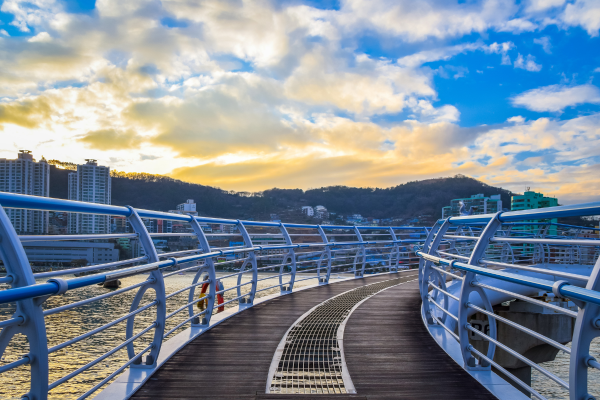
The completion of the skywalk connecting Sector 51 and Sector 52 metro stations in Noida has been delayed by more than a month following design modifications and structural challenges encountered during construction, according to officials familiar with the project. Advertisement


The 420-metre-long skywalk, intended to provide a seamless pedestrian link between the Noida Metro Aqua Line and the Delhi Metro Blue Line, is facing execution hurdles due to the presence of a structural beam obstructing access at the Sector 51 station. The issue, which was not identified in the original design plans, has required authorities to undertake corrective redesign and engineering interventions.
Officials indicated that the obstruction emerged during the advanced stages of construction, necessitating a reassessment of the entry alignment. The solution involves partial dismantling or modification of the beam structure, subject to technical validation to ensure that the integrity of the metro station remains unaffected.
The project, developed at an estimated cost of around INR 40 crore, was initiated in mid-2023 with an initial completion timeline of one year. However, it has since missed multiple deadlines due to a combination of factors, including design changes, environmental restrictions and the discovery of underground utilities during construction.
The skywalk is designed as an enclosed, air-conditioned structure equipped with travelators, lifts and universal accessibility features to facilitate movement between the two metro lines without requiring commuters to exit onto congested roads. Once operational, it is expected to significantly improve commuter convenience and reduce reliance on informal transport options for last-mile connectivity.
In the absence of the skywalk, passengers continue to navigate a 400-metre stretch between the two stations through open roads, often facing traffic congestion, encroachments and inadequate pedestrian infrastructure. This has been a longstanding concern, particularly given the high daily footfall at the interchange.
Authorities stated that the revised design is being implemented with inputs from technical experts, including consultations to ensure structural safety and compliance. The delay attributed to these modifications has pushed the expected opening timeline beyond earlier projections, extending the wait for commuters who have already experienced prolonged construction timelines.
The project highlights the challenges associated with retrofitting infrastructure within dense urban transit systems, where coordination between multiple agencies and existing structural constraints can impact execution timelines. While the skywalk remains a critical link in improving intermodal connectivity in Noida, its delayed completion underscores the importance of detailed planning and technical validation at the design stage.
Once completed, the facility is expected to streamline passenger movement between the two metro networks, reduce surface-level congestion, and enhance the overall efficiency of the urban transport system in the Noida–Delhi corridor.

5th Jun, 2025

25th May, 2023

11th May, 2023

27th Apr, 2023
Advertisement





 Facebook
 Whatsapp
