Advertisement










When should a housing society in Mumbai start considering re...
From GST on JDAs to SEBI’s REIT reclassification and the S...
Stay ahead in the world of real estate with our daily podcas...
Stay ahead in the world of real estate with our daily podcas...
The Atal Setu, India's longest sea bridge, has surpassed 20 million vehicle crossings since its opening in January 2024. Serving as a key link between Sewri in South Mumbai and Chirle in Navi Mumbai, the bridge has reduced travel time from nearly an hour to under 20 minutes. Private cars make up over 91% of total traffic, with buses, trucks, and commercial vehicles also contributing significantly. Beyond easing commutes, Atal Setu has boosted commerce, cut fuel costs, and become a vital infrastructure lifeline for the Mumbai Metropolitan Region, demonstrating the impact of modern connectivity.
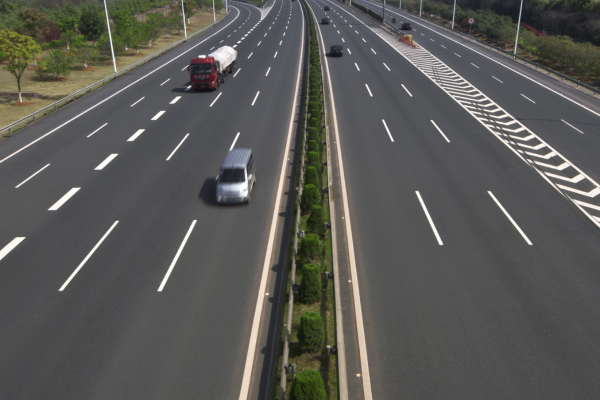
The Atal Setu, India's longest sea bridge, has recently achieved a significant milestone by recording over 20 million vehicular crossings since it opened earlier this year in January 2024. The 20,000,316th vehicle crossed the bridge in late March 2026, marking a landmark moment for commuters, families, and businesses across the Mumbai Metropolitan Region. Advertisement


Traffic data reveals that private cars accounted for the majority of vehicles, with over 1.81 crore crossings, representing more than 91% of total traffic. Around 5.98 lakh light commercial vehicles, minibuses, buses, and trucks have also used the bridge, alongside 12.06 lakh medium, heavy, and oversized vehicles.
Inaugurated by Prime Minister Narendra Modi, the Atal Setu links Sewri in South Mumbai to Chirle in Navi Mumbai, reducing travel time from nearly an hour to under 20 minutes. By connecting the hinterland to the mainland efficiently, it has eased commutes, lowered fuel costs, and strengthened commerce in the region.
In just over two years, the bridge has not only facilitated smooth vehicle movement but has also contributed significantly to economic growth, providing a model for world-class infrastructure in India. It has become an essential part of daily life for the Mumbai Metropolitan Region.

5th Jun, 2025

25th May, 2023

11th May, 2023

27th Apr, 2023
Advertisement








 Facebook
 Whatsapp
