Advertisement










When should a housing society in Mumbai start considering re...
From GST on JDAs to SEBI’s REIT reclassification and the S...
Stay ahead in the world of real estate with our daily podcas...
Stay ahead in the world of real estate with our daily podcas...
Mumbai's underground Aqua Line metro, spanning 33.5 km and 27 stations from Aarey JVLR to Cuffe Parade, built at an estimated INR 37,000 crore, is showing signs of wear within months of phased openings in late 2024 and late 2025. Commuters report cracked tiles, detached marble panels, leaks, damp walls, plumbing failures, malfunctioning elevators, and unsafe staircases. Several stations also have accessibility challenges and foul odours, raising concerns over construction quality, waterproofing, and long-term maintenance. Rider discomfort and safety risks are adding to questions about durability and operational standards.
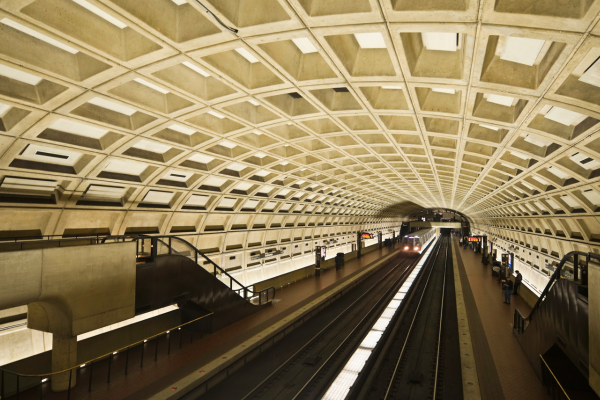
Barely a year after the Aqua Line metro became fully operational in phases, signs of deterioration have emerged across multiple stations. The corridor, intended as a world-class rapid transit system, is now displaying visible wear and poor finishing. Commuters and observers point to both surface defects and structural concerns. Advertisement


At Girgaon station, marble panels above urinals have completely detached, revealing rough concrete and rusted fittings. Temporary cardboard patches are being used in some areas instead of proper repairs, leaving commuters to navigate unsafe washrooms for weeks. At SEEPZ and MIDC stations, plumbing leaks persist, often managed only with buckets placed beneath drips. Cracked tiles, dislodged marble cladding, and fractured grout lines indicate possible poor bonding rather than normal wear.
Water seepage and damp patches are visible in ceilings and walls at several stations, highlighting potential waterproofing issues. At Acharya Atrey Chowk station, limited entry points and unsafe stair designs create difficulties, particularly for elderly passengers. Roadworks near stations add to accessibility problems, while foul odours and water leakages continue to affect commuter experience.
Safety hazards are widespread. Loose metal plates, gaps near escalators, and cracked granite flooring have been reported, with some tiles hanging above seating areas. Elevators malfunction during peak hours, electrical fittings come loose, and some walkways become dangerously slippery due to constant cleaning. Intermittent air-conditioning failures between BKC and Dharavi Shitaladevi, combined with smells likely linked to the nearby Mithi River, further impact comfort.
Despite multiple queries, Mumbai Metro Rail Corporation Limited has not publicly addressed these concerns. Riders continue to use the network while questioning whether the project can meet expectations for safety, durability, and quality, given its high cost and rapid deterioration in key areas.

5th Jun, 2025

25th May, 2023

11th May, 2023

27th Apr, 2023
Advertisement








 Facebook
 Whatsapp
