Advertisement










When should a housing society in Mumbai start considering re...
From GST on JDAs to SEBI’s REIT reclassification and the S...
Stay ahead in the world of real estate with our daily podcas...
Stay ahead in the world of real estate with our daily podcas...
India's flexible office stock has crossed the 100 million sq ft milestone, reaching approximately 110-114 million sq ft over the past five years, according to a joint report by CBRE and FICCI. The segment has recorded a compound annual growth rate of 23-25%, with inventory nearly tripling since 2020. Bengaluru leads the market with 30-32 million sq ft, followed by Delhi-NCR and Pune. Demand is primarily driven by IT, technology, BFSI, and professional services firms, with global corporations accounting for a majority share of leasing. The growth reflects increasing enterprise adoption of flexible workspaces as part of long-term real estate strategies, particularly among global capability centres (GCCs).
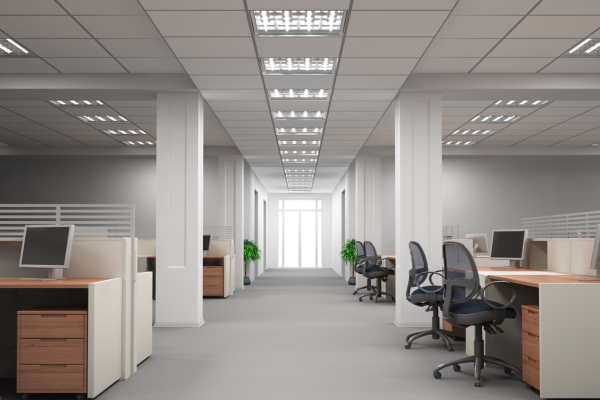
India's flexible office space inventory has crossed the 100 million sq ft mark, reaching an estimated 110-114 million sq ft over the past five years, driven by sustained demand from IT firms, global capability centres (GCCs), and enterprise occupiers, according to a joint report released in the past week by CBRE and FICCI. The segment has expanded at a compound annual growth rate of 23-25% since 2020, reflecting a significant structural shift in office space consumption across major urban markets. Advertisement


The growth trajectory indicates that flexible workspaces have transitioned from being a supplementary offering to becoming a core component of corporate real estate portfolios. Enterprises are increasingly integrating flex space into long-term planning strategies, using it to achieve scalability, cost efficiency, and operational flexibility across distributed work models.
Bengaluru continues to dominate the segment, with a flexible office stock of approximately 30-32 million sq ft, making it the largest market in the country. Delhi-NCR follows with 21-23 million sq ft, while Pune accounts for 13.6-14.6 million sq ft, reflecting strong demand across technology-led office markets. These cities have emerged as primary hubs due to their established commercial ecosystems and concentration of global occupiers.
Sectoral demand remains concentrated among IT, technology, and software companies, which accounted for around 27-32% of total flexible workspace leasing in the past year. This was followed by banking, financial services and insurance (BFSI), engineering and manufacturing firms, and professional services companies, each contributing a smaller but consistent share of demand.
Global corporations have played a dominant role in driving absorption, accounting for approximately 55-60% of total demand, while domestic occupiers contributed the remaining 40-45%. The increasing presence of multinational firms establishing or expanding GCCs in India has been a key factor supporting this trend, particularly as these entities seek scalable and plug-and-play office solutions.
The market currently hosts over 500 flexible workspace operators across nearly 2,600 centres, indicating a broad and fragmented operator base catering to diverse occupier requirements. This expansion has been supported by investor interest and the emergence of flexible workspace providers as institutional-grade real estate platforms.
The report noted that flexible workspaces are increasingly being used as part of hybrid workplace strategies, allowing companies to optimise capital expenditure while maintaining access to Grade A office infrastructure. This shift is particularly evident among large enterprises and GCCs, which are adopting distributed office models combining headquarters, satellite offices, and flexible spaces.
The expansion of flexible office stock reflects broader changes in India's commercial real estate market, where occupier preferences are evolving towards agility, shorter lease commitments, and operational flexibility. As enterprise adoption deepens, flexible workspaces are expected to remain a key driver of office leasing activity across major cities, supported by continued demand from technology-led sectors and global occupiers.

5th Jun, 2025

25th May, 2023

11th May, 2023

27th Apr, 2023
Advertisement








 Facebook
 Whatsapp
