Advertisement










When should a housing society in Mumbai start considering re...
From GST on JDAs to SEBI’s REIT reclassification and the S...
Stay ahead in the world of real estate with our daily podcas...
Stay ahead in the world of real estate with our daily podcas...
The central government is set to deploy 10,000 air-conditioned electric buses across 116 cities by 2027 under the PM e-Bus Sewa scheme. The initiative will mainly cover Tier 2, Tier 3, and hill cities to improve public transport and reduce pollution. In addition, a larger plan to introduce around 35,000 more e-buses is under consideration. The scheme includes support for charging infrastructure and operations. This move builds on earlier electrification efforts and is expected to improve connectivity, lower fuel dependence, and modernise urban transport systems.
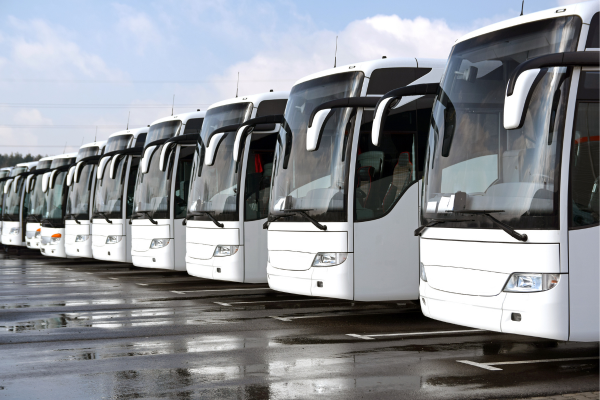
The central government is progressing with its plan to introduce 10,000 air-conditioned electric buses across 116 cities by 2027 to strengthen urban public transport and reduce pollution levels. The rollout will focus largely on Tier 2 and Tier 3 cities, along with hill regions, where organised public transport systems are still evolving and require support. Advertisement


The buses will be deployed under the PM e-Bus Sewa scheme, which has been designed to help cities shift towards cleaner mobility solutions. The scheme provides financial and operational support to urban local bodies, making it easier for them to adopt electric buses without facing high upfront costs. It also focuses on improving passenger experience through better comfort, lower noise levels, and more reliable services.
Apart from the current plan, the government is also preparing for a larger expansion that may include around 35,000 additional electric buses in the coming years. This indicates a long-term approach towards electrifying public transport across multiple city categories, not just metro regions.
The initiative also covers the development of charging infrastructure and related systems required for smooth operations. Cities selected under the scheme will receive assistance not only for bus procurement but also for running and maintaining the services. This is important as operational costs and infrastructure gaps have been key challenges in adopting electric mobility at scale.
This move builds on earlier government programmes such as FAME (Faster Adoption and Manufacturing of Electric Vehicles), under which several cities had already introduced electric buses in limited numbers. Over time, cities like Delhi, Mumbai, and Bengaluru have begun integrating e-buses into their fleets, showing early results in reducing fuel costs and emissions.
Electric buses are expected to play a key role in reducing urban air pollution, especially in densely populated cities where transport contributes significantly to emissions. They also help reduce dependence on diesel, which has been a major cost component for state transport undertakings.
From an operational perspective, electric buses generally have lower running and maintenance costs over time compared to diesel buses. For commuters, this transition is expected to improve travel quality with quieter rides, better interiors, and more consistent services.
Source PTI
FAQ
Q1: What is the government's plan for electric bus deployment in India?
The Government of India plans to roll out 10,000 air-conditioned electric buses across 116 cities by 2027 under the PM e-Bus Sewa scheme to improve public transport and reduce pollution levels.
Q2: Which cities will be covered under this initiative?
The scheme will mainly focus on Tier 2, Tier 3, and hill cities, where public transport infrastructure is still developing and requires additional support.
Q3: What is the PM e-Bus Sewa scheme?
The PM e-Bus Sewa scheme is a central government initiative that provides financial and operational support to cities for adopting electric buses, including assistance for procurement, operations, and infrastructure.
Q4: Is there any further expansion planned beyond 10,000 buses?
Yes, the government is also considering a larger expansion plan that could include around 35,000 additional electric buses in the coming years as part of a long-term electrification strategy.
Q5: Does the scheme include charging infrastructure support?
Yes, the initiative includes support for setting up charging infrastructure and related systems to ensure smooth operation and maintenance of electric bus services.
Q6: How does this initiative build on earlier efforts?
The plan builds on earlier programmes like FAME Scheme, under which several cities had already introduced electric buses in smaller numbers.
Q7: What benefits are expected from this transition to electric buses?
The shift to electric buses is expected to reduce air pollution, lower fuel dependence, cut operating costs over time, and improve passenger experience through quieter, cleaner, and more reliable transport services.

5th Jun, 2025

25th May, 2023

11th May, 2023

27th Apr, 2023
Advertisement







 Facebook
 Whatsapp
