Advertisement








When should a housing society in Mumbai start considering re...
From GST on JDAs to SEBI’s REIT reclassification and the S...
Stay ahead in the world of real estate with our daily podcas...
Stay ahead in the world of real estate with our daily podcas...
The Navi Mumbai Municipal Corporation (NMMC) has intensified enforcement against property tax defaulters, directing officials to initiate attachment and auction proceedings for unpaid dues if not cleared by the end of the current financial year. Notices have been issued to over 3,600 defaulters across residential, non-residential, industrial and vacant land categories. The civic body has also introduced an amnesty scheme offering a 50 per cent waiver on late payment charges for those clearing dues in full within the stipulated deadline. With property tax forming a key revenue source, the administration has accelerated recovery efforts through both enforcement and incentive-based measures.
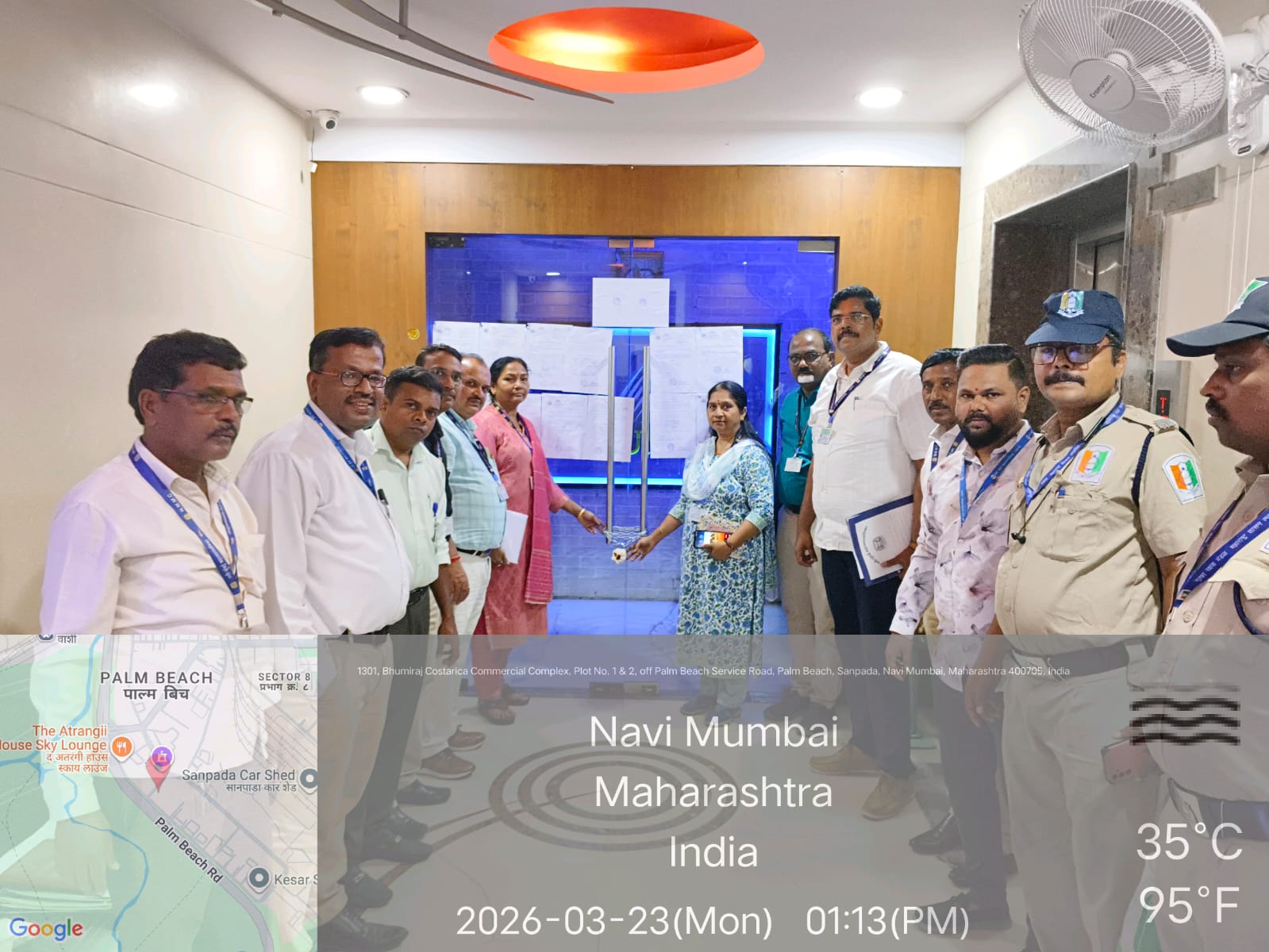
The Navi Mumbai Municipal Corporation has initiated an enforcement drive in the past week against property tax defaulters, directing officials to undertake attachment and auction of properties where dues remain unpaid beyond the current financial year deadline. The directive was issued by Municipal Commissioner Dr Kailas Shinde during a review of tax recovery progress. Advertisement


The civic administration has instructed its tax department to serve notices to defaulters and proceed with property attachment if dues are not cleared by the end of March. The action is expected to focus primarily on non-residential, industrial and vacant land properties, where outstanding liabilities are higher and recovery potential is significant.
Property tax remains a major source of revenue for the municipal body, and officials have indicated that despite ongoing recovery efforts, a number of property owners have yet to clear their dues. As a result, the administration has adopted a dual approach combining enforcement with incentives to accelerate collections before the close of the financial year.
As part of this approach, the civic body has introduced an amnesty scheme offering a 50 per cent waiver on late payment charges for property owners who clear their entire outstanding dues in a single payment within the specified timeline. The scheme applies across property categories, including residential, commercial, industrial and vacant plots, and is available until the end of the financial year.
To facilitate payments, the municipal corporation has enabled both online and offline modes. Property owners can make payments through the official civic website, designated collection centres across administrative wards, or via a WhatsApp-based chatbot service. The administration has urged defaulters to utilise these options to avoid enforcement action.
The tax department has already issued notices to 3,642 defaulters, with short compliance timelines ranging from 48 hours to seven days. In cases where dues remain unpaid despite notices, the corporation has begun initiating attachment proceedings, followed by auction processes in accordance with regulatory provisions.
Officials have indicated that the recovery drive is intended to strengthen municipal finances and ensure timely inflow of revenue required for urban infrastructure and service delivery. With limited time remaining before the financial year closure, the administration is focusing on expediting collections while maintaining compliance with statutory procedures.
The initiative highlights the increasing emphasis by urban local bodies on strengthening revenue streams through stricter enforcement of property tax compliance. For property owners, the current window offers an opportunity to regularise dues under concessional terms, failing which enforcement measures including attachment and auction are expected to be pursued.

5th Jun, 2025

25th May, 2023

11th May, 2023

27th Apr, 2023
Advertisement








 Facebook
 Whatsapp
