Advertisement










When should a housing society in Mumbai start considering re...
From GST on JDAs to SEBI’s REIT reclassification and the S...
Stay ahead in the world of real estate with our daily podcas...
Stay ahead in the world of real estate with our daily podcas...
Environmentalists in Navi Mumbai have raised serious concerns after laboratory tests indicated that three major flamingo lakes DPS Lake, NRI Lake, and T S Chanakya Lake have shown signs of high pollution and ecological imbalance. These wetlands, which support migratory flamingos and other biodiversity, appear to be affected by stagnant water, disrupted tidal flow, and contamination. Activists have highlighted weak regulatory oversight and ongoing urban pressures as key factors contributing to the situation, warning that continued degradation may further impact the region's fragile wetland ecosystem and its ecological functions.
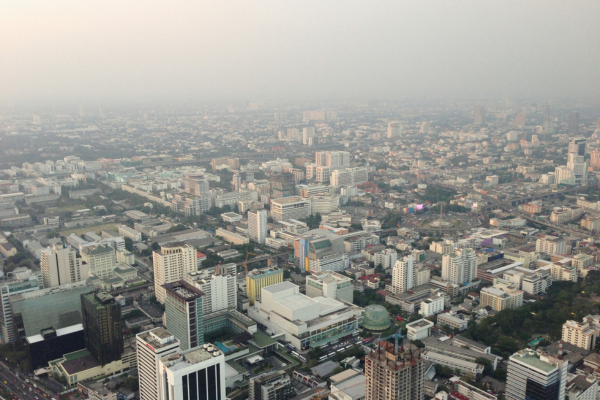
Environmentalists have raised alarms over the deteriorating condition of key wetlands in Navi Mumbai after laboratory tests reportedly indicated that three important flamingo lakes have become highly polluted. The affected water bodies include DPS Flamingo Lake, NRI Flamingo Lake, and T S Chanakya Flamingo Lake, all of which are known for supporting migratory flamingos and maintaining local biodiversity. Advertisement


The test results are said to show abnormal levels in key water quality indicators, including dissolved oxygen, biological oxygen demand, chemical oxygen demand, and pH levels. These readings suggest that the water bodies are experiencing significant contamination and reduced capacity to support aquatic life. Experts have linked these changes to stagnant water conditions, which are often a result of restricted or disrupted tidal flow in the wetland system.
These lakes are part of a larger interconnected coastal ecosystem linked to the Thane Creek Flamingo Sanctuary. This broader network plays an important role in supporting migratory bird populations, especially flamingos that depend on these habitats for feeding and resting during their seasonal movement. Environmental groups have noted a decline in flamingo presence in some of these areas, which they attribute to the worsening condition of the lakes.
Activists have also pointed to ongoing urban development in surrounding regions as a contributing factor. They have raised concerns about encroachments and physical barriers that may be obstructing natural tidal movement, leading to reduced water circulation and increased stagnation. Over time, such conditions can allow pollutants to accumulate and degrade overall water quality.
Another concern highlighted is the lack of consistent and effective regulatory action to protect these wetlands. Environmentalists believe that insufficient monitoring and enforcement have allowed pollution sources to persist without adequate control measures. This, combined with increasing pressure from infrastructure expansion, has contributed to the gradual decline in wetland health.
Wetlands like these not only support bird habitats but also serve important environmental functions such as groundwater recharge, flood regulation, and maintaining ecological balance in coastal urban regions. The current situation has been described as a warning sign of how sensitive such ecosystems are to changes in water flow and human activity. Continued neglect of these factors may further impact both biodiversity and the environmental stability of the region.

5th Jun, 2025

25th May, 2023

11th May, 2023

27th Apr, 2023
Advertisement








 Facebook
 Whatsapp
