Advertisement










In this episode of Prop Personalities, we sit down with Hars...
Luxury real estate is one of the most talked-about segments ...
Welcome to Prop Personalities by Prop News Time - a podcast ...
Airports play a much bigger role than just enabling travel -...
Why does the same hotel brand operate multiple properties in...
The Gurugram Metropolitan Development Authority (GMDA) has initiated a major drainage infrastructure project to address chronic waterlogging along the Old Delhi-Gurgaon Road, a critical arterial corridor in Gurugram. The proposed intervention involves constructing a continuous surface drainage network spanning approximately 7.5 km between Mahavir Chowk and the Kapashera border. The project, planned in the past week, aims to streamline stormwater flow and mitigate monsoon-related flooding that has affected mobility and adjacent urban areas for several years. The initiative forms part of GMDA's broader efforts to upgrade ageing infrastructure in older parts of the city, where rapid urbanisation and inadequate drainage systems have led to repeated disruptions. Implementation is expected to improve road usability and reduce flood-related damage.
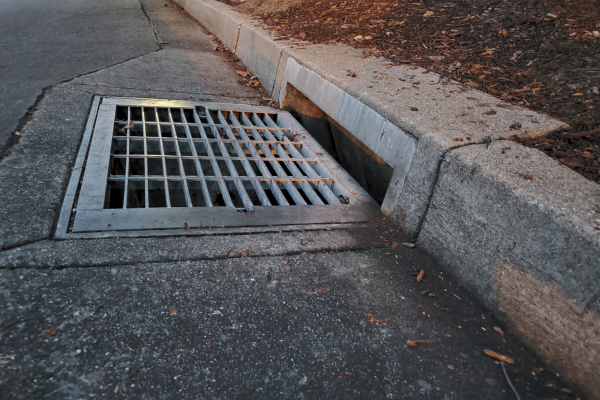
The Gurugram Metropolitan Development Authority (GMDA) has launched a drainage infrastructure project in the past week to address persistent flooding along the Old Delhi-Gurgaon Road, proposing a continuous surface drainage network across a 7.5 km stretch between Mahavir Chowk and the Kapashera border to improve stormwater management and ensure smoother traffic movement. Advertisement


The arterial corridor, which connects key commercial and residential areas in older Gurugram, has been prone to severe waterlogging during the monsoon due to inadequate and fragmented drainage systems. Officials indicated that the absence of a continuous drainage channel has resulted in inefficient water flow, leading to accumulation on carriageways and adjoining areas, thereby affecting daily commuting and local economic activity.
The proposed project focuses on creating an integrated surface drainage system along the full length of the identified stretch. By establishing a continuous network, the authority aims to eliminate gaps in the existing infrastructure that have historically hindered proper stormwater discharge. The intervention is expected to enhance the road's capacity to handle heavy rainfall, particularly during peak monsoon periods when flooding has disrupted traffic for extended durations.
The initiative aligns with GMDA's ongoing efforts to strengthen urban infrastructure in older parts of Gurugram, where legacy planning constraints and unregulated growth have strained civic systems. In recent years, several road and drainage improvement works have been undertaken across the city to address similar issues, reflecting a broader push towards modernising stormwater management networks.
Officials further indicated that the project would be designed to ensure improved gradient and flow efficiency, allowing rainwater to be channelled more effectively towards outfall points. This is expected to reduce the burden on existing drainage lines and minimise the risk of overflow during heavy precipitation.
The Old Delhi-Gurgaon Road remains a vital connectivity corridor, linking the city with Delhi and serving a mix of residential neighbourhoods, markets, and institutional zones. Repeated flooding along this stretch has not only affected mobility but has also contributed to road deterioration and maintenance challenges over time.
The planned drainage network is expected to address these long-standing issues by introducing a structured and continuous system capable of handling urban runoff more efficiently. Once implemented, the project is likely to improve road conditions and reduce disruptions during rainfall, particularly in flood-prone sections along the corridor.
The development reflects a continued focus on upgrading core infrastructure in established urban areas, where retrofitting drainage systems remains critical to sustaining long-term urban functionality amid increasing population density and changing rainfall patterns.

5th Jun, 2025

25th May, 2023

11th May, 2023

27th Apr, 2023
Advertisement





 Facebook
 Whatsapp
