Advertisement










In this episode of Prop Personalities, we sit down with Hars...
Luxury real estate is one of the most talked-about segments ...
Welcome to Prop Personalities by Prop News Time - a podcast ...
Airports play a much bigger role than just enabling travel -...
Why does the same hotel brand operate multiple properties in...
The Greater Chennai Corporation (GCC) has announced a lake restoration initiative worth INR 35 crore aimed at rejuvenating three key urban waterbodies Nolambur, Ramanthangal and Subramaniya lakes. The project, planned in the past week, adopts a blue-green infrastructure approach combining ecological restoration with urban design improvements. Works will include desilting, strengthening of bunds, creation of wetlands and bio-filtration systems to enhance water quality and groundwater recharge. Public amenities such as walkways and viewing decks are also proposed. The initiative responds to persistent urban flooding, declining groundwater levels, and degradation of natural drainage systems due to rapid urbanisation. Authorities intend the project to serve as a model for future waterbody restoration efforts across Chennai.
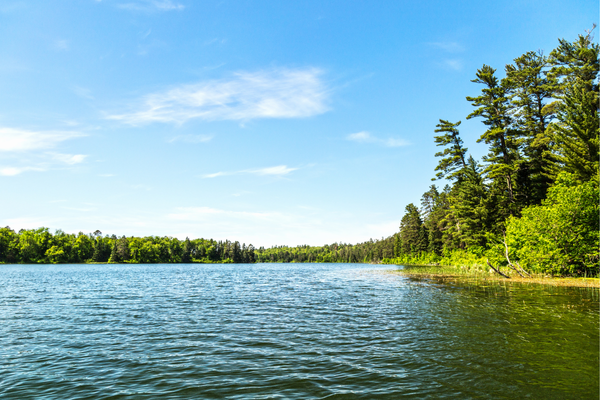
The Greater Chennai Corporation (GCC) has launched a INR 35 crore initiative in the past week to rejuvenate three urban lakes Nolambur, Ramanthangal and Subramaniya through a blue-green infrastructure framework aimed at improving flood management, groundwater recharge and ecological resilience across the city. Advertisement


The project focuses on restoring the hydrological and ecological functions of these waterbodies, which have been affected by years of urban expansion, encroachments and pollution. Chennai's traditional network of lakes and wetlands historically functioned as natural flood buffers and aquifer recharge systems, but their capacity has diminished due to unplanned development and increased built-up areas.
Under the proposed plan, the civic body will undertake desilting of lakebeds to improve storage capacity and strengthen bunds to prevent breaches during periods of heavy rainfall. In addition, wetlands and bio-filtration zones will be developed to naturally treat inflowing water, thereby improving overall water quality and reducing contamination levels.
Officials indicated that the project has been designed to integrate environmental restoration with urban usability. As part of this approach, pedestrian-friendly infrastructure such as walkways, seating areas, gazebos and viewing decks will be introduced along the lake peripheries. These features are expected to enhance public access while maintaining the ecological character of the waterbodies.
The initiative also addresses broader urban challenges faced by Chennai, particularly recurring monsoon flooding and seasonal water shortages. By improving water retention and facilitating groundwater recharge, the restored lakes are expected to reduce surface runoff during heavy rains while supporting water availability during drier periods.
Civic officials noted that the project adopts a blue-green infrastructure model, which combines water management systems with ecological and social components. This approach has been increasingly considered in coastal and high-density cities to manage climate-related risks such as flooding, rising temperatures and water stress.
Residents in areas surrounding the lakes have responded positively to the proposal, while also highlighting the need for sustained maintenance to ensure long-term effectiveness. Concerns regarding sewage inflow and waste dumping were flagged as critical issues that would need continued monitoring alongside the restoration works.
Work on the project is expected to commence in the near term, marking a shift from planning to execution. Once completed, the restored lakes are intended to serve as reference models for similar interventions across Chennai, as the city continues to upgrade its ageing water infrastructure and strengthen climate resilience measures.

5th Jun, 2025

25th May, 2023

11th May, 2023

27th Apr, 2023
Advertisement





 Facebook
 Whatsapp
