Advertisement










In this episode of Prop Personalities, we sit down with Hars...
Luxury real estate is one of the most talked-about segments ...
Welcome to Prop Personalities by Prop News Time - a podcast ...
Airports play a much bigger role than just enabling travel -...
Why does the same hotel brand operate multiple properties in...
The Delhi Metro Rail Corporation (DMRC) has initiated a mid-life refurbishment programme covering 70 trains operating on the Red and Blue Lines, targeting ageing rolling stock introduced between 2002 and 2007. The upgrade, announced in the past week, is being executed in phases and is scheduled for completion by November 2027. So far, 31 trains have been refurbished, with further units under various stages of upgrade. The programme includes improvements to train interiors, electrical systems, and safety mechanisms such as fire detection systems and CCTV surveillance. Passenger-facing enhancements such as real-time information systems and charging points are also being introduced. The initiative aims to align older trains with current operational standards while maintaining service reliability across two of the network's busiest corridors.
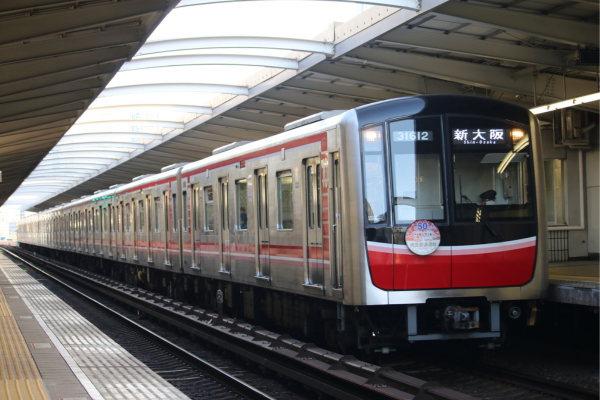
The Delhi Metro Rail Corporation (DMRC) has initiated a phased mid-life refurbishment programme in the past week to upgrade 70 trains operating on the Red and Blue Lines, with the objective of extending their operational lifespan, enhancing passenger safety, and improving overall travel experience across two of the network's busiest corridors. Advertisement


The trains identified for refurbishment belong to the oldest rolling stock category (RS-1), inducted between 2002 and 2007, and have completed nearly two decades of service. The programme is being implemented in multiple phases to ensure continuity of services while upgrading ageing assets to meet current technical and safety standards.
According to project details, 31 trains have already undergone refurbishment, including 12 units completed in the first phase and 18 in the second phase. Work on additional trains is underway, while a third phase will cover 22 Blue Line trains, with overall completion targeted by November 2027.
The refurbishment programme includes both structural and system-level upgrades. Interior areas such as passenger compartments and driver cabins are being repainted to address wear and tear accumulated over years of operation. Electrical panels are being replaced with upgraded systems to improve reliability and operational performance.
A significant component of the upgrade involves the integration of advanced passenger information and communication systems. These include IP-based Passenger Announcement and Passenger Information Systems (PA-PIS), CCTV surveillance, and LCD-based dynamic route maps, enabling real-time updates on routes, station arrivals, and emergency communication.
Safety enhancements form a central focus of the initiative. Fire detection systems equipped with smoke and heat sensors are being installed across coaches, while older relays and circuit breakers are being replaced with modern units to reduce the risk of technical failures and ensure smoother operations.
In addition, passenger convenience features are being incorporated, including charging points for mobile devices and laptops. Supporting infrastructure such as cables and connectors is also being upgraded to accommodate both current systems and future technological integrations.
Officials indicated that the programme is designed to bring older trains in line with the standards of newer rolling stock, ensuring consistency in service quality across the network. The phased execution is intended to minimise disruption, given the high ridership on both the Red and Blue Lines.
The initiative reflects a broader strategy of asset modernisation within the Delhi Metro system, where maintaining performance and safety of ageing infrastructure remains critical amid sustained passenger demand. By upgrading legacy rolling stock, DMRC aims to optimise lifecycle costs while preserving operational efficiency across its expanding urban transit network.

5th Jun, 2025

25th May, 2023

11th May, 2023

27th Apr, 2023
Advertisement





 Facebook
 Whatsapp
