Advertisement










In this episode of Prop Personalities, we sit down with Hars...
Luxury real estate is one of the most talked-about segments ...
Welcome to Prop Personalities by Prop News Time - a podcast ...
Airports play a much bigger role than just enabling travel -...
Why does the same hotel brand operate multiple properties in...
The Nagpur Municipal Corporation (NMC) has proposed offering property tax rebates of up to 15% to encourage timely payments and improve compliance among property owners. The proposal, reviewed in the past week, is based on the previous year's response, where over 44% of taxpayers availed rebate schemes. The revised structure aims to incentivise early payments, with higher rebates applicable for payments made within the initial months of the financial cycle, followed by reduced benefits later in the year. The initiative also seeks to promote digital transactions while ensuring steady revenue inflows for civic operations. The move comes amid ongoing efforts by the civic body to strengthen its revenue base and address collection gaps, including significant outstanding dues from various entities.
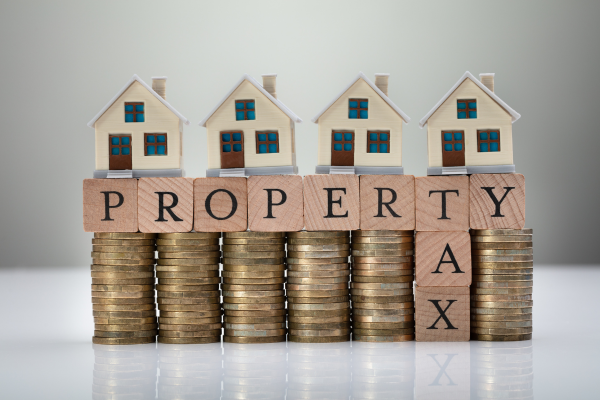
The Nagpur Municipal Corporation (NMC) has proposed a revised property tax rebate structure in the past week, offering concessions of up to 15% to property owners as part of measures aimed at improving tax compliance and accelerating revenue collection for the financial year. Advertisement


The proposal, currently under administrative consideration, is based on the response to earlier rebate schemes, which saw participation from approximately 44% of the city's registered property holders. Data from the civic body indicates that out of over 8.28 lakh properties, around 3.65 lakh taxpayers availed rebate benefits during the previous financial cycle, reflecting the effectiveness of incentive-driven collection strategies.
Under the proposed framework, property owners who clear their dues within the initial payment window up to the end of June would be eligible for rebates of 15% and 10%, irrespective of the mode of payment. For payments made in the subsequent period, extending until the end of the calendar year, the rebate would be reduced to 10% for online payments and 5% for offline transactions, thereby continuing to encourage digital payment adoption.
Officials indicated that the revised structure is designed to balance early revenue inflows with sustained compliance throughout the year. The civic body has observed that although a larger number of taxpayers opted for offline payments, digital transactions contributed higher revenue collections, reinforcing the push towards online payment systems.
During the previous cycle, approximately 1.47 lakh taxpayers paid property tax through online modes, contributing around INR 61.54 crore and availing rebates ranging between 10% and 15%. In comparison, over 2.17 lakh taxpayers paid through offline channels, contributing INR 49.48 crore with rebates between 5% and 10%. The total concession extended by the civic body across both modes amounted to several crores, underscoring the fiscal trade-off associated with incentive-based compliance measures.
The proposed rebate scheme is part of a broader strategy to strengthen the municipal corporation's revenue base, particularly in the context of existing collection challenges. The civic body has been working to improve recovery rates while addressing outstanding dues and ensuring adequate funding for infrastructure and service delivery.
Property tax remains a primary source of revenue for the NMC, supporting expenditure on essential urban services such as roads, water supply, sanitation and public health infrastructure. By incentivising early and full payment of dues, the administration aims to secure predictable cash flows for ongoing and planned civic projects.
The proposal is expected to be placed before the relevant municipal authorities for approval, following which it will be implemented for the current financial cycle. The initiative reflects a continued reliance on incentive-based mechanisms to enhance taxpayer participation while aligning revenue collection with the city's infrastructure and operational requirements.

5th Jun, 2025

25th May, 2023

11th May, 2023

27th Apr, 2023
Advertisement





 Facebook
 Whatsapp
