Advertisement










In this episode of Prop Personalities, we sit down with Hars...
Luxury real estate is one of the most talked-about segments ...
Welcome to Prop Personalities by Prop News Time - a podcast ...
Airports play a much bigger role than just enabling travel -...
Why does the same hotel brand operate multiple properties in...
Dredging Corporation of India Ltd (DCIL) has entered into a memorandum of understanding with Colombo Dockyard PLC to collaborate on ship repair, maintenance and shipbuilding projects, strengthening maritime cooperation between India and Sri Lanka. The agreement, signed in the past week, will enable dry-docking and repair services for DCIL's fleet while jointly exploring the construction of specialised dredgers and offshore support vessels. The partnership combines DCIL's dredging expertise with Colombo Dockyard's shipbuilding infrastructure and includes provisions for technical collaboration and knowledge sharing. The move is expected to support operational efficiency and expand capabilities across maritime services, reflecting increased cross-border cooperation in the ports and shipping sector.
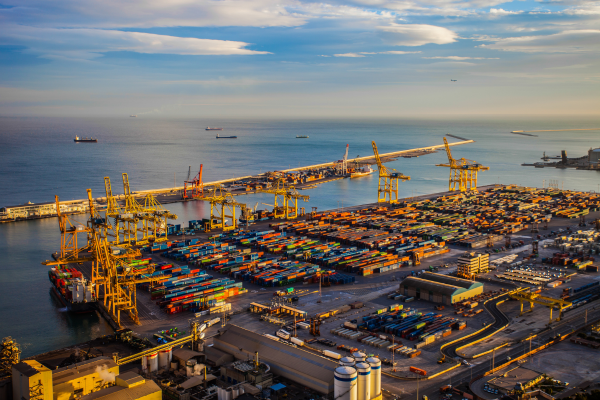
Dredging Corporation of India Ltd has signed a memorandum of understanding with Colombo Dockyard PLC in the past week to collaborate on ship repair, maintenance and shipbuilding activities, aiming to enhance operational capabilities and strengthen maritime cooperation between India and Sri Lanka. Advertisement


The agreement was formalised through a regulatory filing and outlines a framework for joint operations across vessel servicing and construction. Under the arrangement, Colombo Dockyard will provide dry-docking and repair services for DCIL's fleet, while both entities will jointly explore opportunities in building specialised dredgers and offshore support vessels.
The partnership brings together DCIL's dredging fleet and operational expertise with Colombo Dockyard's established ship repair and shipbuilding infrastructure. This combination is intended to support maintenance, retrofitting and new vessel construction, alongside improving the lifecycle management of maritime assets operated by DCIL.
In addition to operational collaboration, the agreement includes provisions for technical cooperation and knowledge sharing between the two organisations. This is expected to facilitate the exchange of expertise in ship design, engineering and maintenance practices, contributing to improved efficiency in project execution and service delivery.
Officials from both organisations indicated that the arrangement aligns with broader objectives of enhancing fleet efficiency and expanding capabilities in offshore and maritime services. The collaboration also provides DCIL with access to advanced shipyard infrastructure in Sri Lanka, supporting its requirements for periodic maintenance and upgrades of its dredging fleet.
From Colombo Dockyard's perspective, the agreement enables engagement with a major Indian dredging operator, allowing it to secure business in ship repair and dry-docking while strengthening its position in the South Asian maritime services market.
The development reflects a wider trend of cross-border partnerships in the maritime sector, where companies are combining operational expertise with infrastructure capabilities to optimise costs and improve service delivery. Such collaborations are increasingly being used to address capacity constraints and expand regional presence in shipbuilding and maintenance activities.
The agreement also carries implications for regional maritime infrastructure, as it supports coordinated development of ship repair and construction capabilities across neighbouring countries. By aligning operational strengths with infrastructure assets, the partnership is positioned to contribute to ongoing efforts to improve efficiency and service standards in the ports and shipping ecosystem across South Asia.

5th Jun, 2025

25th May, 2023

11th May, 2023

27th Apr, 2023
Advertisement





 Facebook
 Whatsapp
