Advertisement










In this episode of Prop Personalities, we sit down with Hars...
Luxury real estate is one of the most talked-about segments ...
Welcome to Prop Personalities by Prop News Time - a podcast ...
Airports play a much bigger role than just enabling travel -...
Why does the same hotel brand operate multiple properties in...
The Dwarka Expressway corridor in NCR has witnessed a sharp rise in property values, with prices increasing nearly threefold over the past decade, according to market data. Average residential rates have moved from around INR 4,900 per sq ft in 2016 to approximately INR 14,800 per sq ft in 2026, reflecting strong end-user demand and infrastructure-led growth. The operationalisation of the 29-km expressway in the past year, along with additional connectivity upgrades, has improved accessibility between Delhi and Gurugram. Government measures, including a 67% increase in circle rates and project approvals exceeding INR 86,500 crore in 2025, indicate sustained investment activity. The corridor has also recorded an absorption rate of over 97%, alongside ongoing development of social and urban infrastructure, strengthening its position as a key residential and mixed-use growth zone.
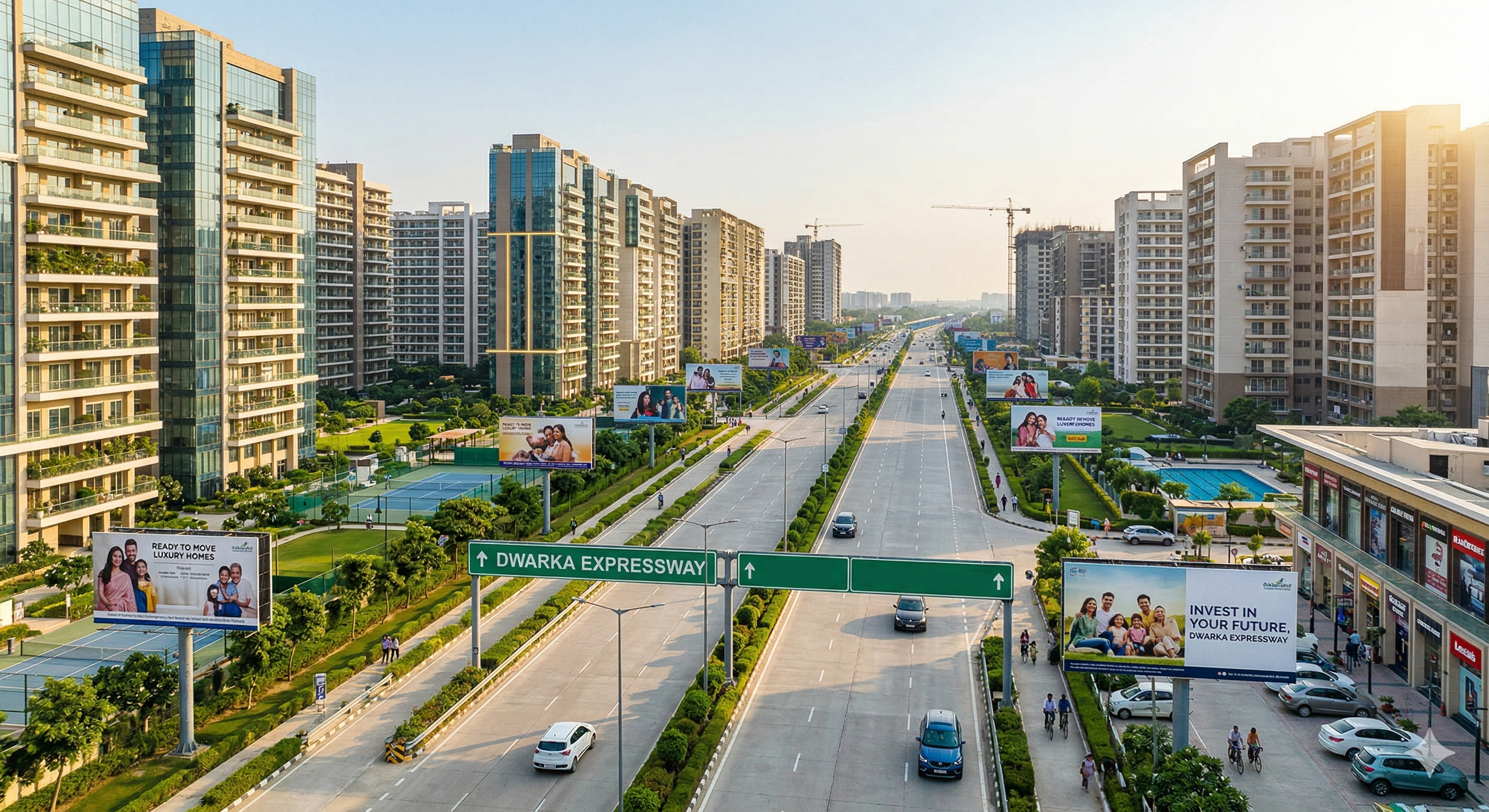
The Dwarka Expressway corridor has recorded a nearly 200% increase in property prices over the past decade, with average rates rising from around INR 4,900 per sq ft in 2016 to approximately INR 14,800 per sq ft in 2026, driven by infrastructure completion, policy support and sustained demand across the National Capital Region. Advertisement


The price growth coincides with the full operationalisation of the 29-km access-controlled Dwarka Expressway in the past year, a project developed at an estimated cost of around INR 9,000 crore. The expressway has significantly improved connectivity between Delhi and Gurugram, reducing travel time to Indira Gandhi International Airport to approximately 20 minutes and enhancing accessibility across residential sectors along the corridor.
The transition of the corridor from a developing stretch to a functional infrastructure asset has contributed to reduced execution risks for both developers and homebuyers. This shift has supported increased residential uptake and accelerated project activity in the surrounding micro-markets.
Further infrastructure upgrades are underway, including the development of a trumpet interchange along the expressway, estimated to cost around INR 923 crore. The interchange is expected to provide signal-free connectivity to emerging hubs such as Global City and Vision City, improving traffic flow and supporting future urban expansion in the region.
Government policy measures have also played a role in shaping the market. The Haryana government has increased circle rates by approximately 67% across key sectors along the corridor, with rates rising from around INR 40,000 to INR 70,000 per sq yard. This revision establishes a revised benchmark for property valuations and reflects prevailing market trends.
Market activity along the corridor remains strong, with projects worth more than INR 86,500 crore approved in 2025 alone, indicating continued developer participation and investment interest. The residential segment has recorded an absorption rate exceeding 97%, suggesting high levels of demand and steady inventory movement across projects.
Developers active in the corridor have indicated that the convergence of infrastructure readiness and regulatory support has strengthened buyer confidence. Industry stakeholders noted that stable connectivity and improved urban infrastructure have contributed to sustained demand, particularly from end-users.
In addition to transport infrastructure, the corridor is witnessing the development of social infrastructure, including schools, healthcare facilities, retail centres and hospitality projects. These additions are contributing to improved liveability and supporting long-term residential demand.
Planned infrastructure initiatives, including the development of metro connectivity with multiple proposed stations and improved linkages to NH-48, are expected to further enhance accessibility. Proximity to key destinations such as the Yashobhoomi Convention Centre also adds to the corridor's locational advantage.
The combination of infrastructure development, regulatory interventions and sustained demand has positioned the Dwarka Expressway as a key growth corridor within NCR, with continued activity expected across residential and mixed-use developments as supporting infrastructure progresses.

5th Jun, 2025

25th May, 2023

11th May, 2023

27th Apr, 2023
Advertisement





 Facebook
 Whatsapp
