Advertisement










When should a housing society in Mumbai start considering re...
From GST on JDAs to SEBI’s REIT reclassification and the S...
Stay ahead in the world of real estate with our daily podcas...
Stay ahead in the world of real estate with our daily podcas...
Leasing of industrial and warehousing spaces across 24 Indian cities increased by 16% year-on-year to 18.5 million sq ft in the first quarter of 2026, according to Savills. The growth was driven by strong demand from manufacturing, third-party logistics (3PL), and e-commerce sectors. Tier-I cities such as Ahmedabad, Bengaluru, and Delhi-NCR accounted for 79% of total absorption, while Tier-II and Tier-III cities contributed 21%. New supply rose sharply by 39% to 22.1 million sq ft during the quarter. Manufacturing led leasing activity with a 35% share, followed by logistics and consumer-driven sectors, indicating sustained momentum in India's industrial real estate segment.
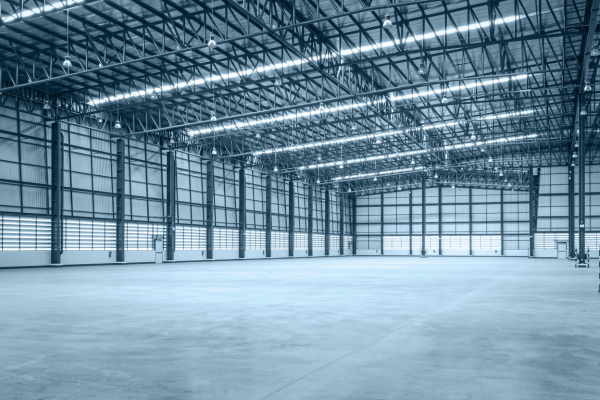
Leasing of industrial and warehousing spaces across 24 major cities in India rose by 16% year-on-year in the first quarter of 2026, reaching 18.5 million sq ft, according to data released by Savills in recent days. The increase reflects continued demand from manufacturing, logistics, and e-commerce segments, supporting sustained activity in the industrial real estate sector. Advertisement


The absorption during the January-March period was higher than the 16 million sq ft recorded in the corresponding period last year. Demand remained concentrated in Tier-I markets, which accounted for 79% of total leasing activity, while Tier-II and Tier-III cities contributed the remaining 21%. Major Tier-I cities included Ahmedabad, Bengaluru, Chennai, Hyderabad, Kolkata, Mumbai, Delhi-NCR, and Pune.
Among demand drivers, the manufacturing sector emerged as the leading contributor, accounting for 6.5 million sq ft or 35% of total leasing during the quarter. This was followed by the third-party logistics (3PL) segment, which contributed 23% to overall absorption, reflecting continued outsourcing of supply chain operations and expansion by logistics operators.
Consumer-oriented sectors also recorded steady participation. Fast-moving consumer goods (FMCG) and fast-moving consumer durables (FMCD) segments together accounted for 14% of leasing activity. The e-commerce sector, which has seen fluctuating demand patterns in recent quarters, contributed 11% to total absorption, indicating renewed traction. The retail sector accounted for a smaller share at 4%, reflecting selective expansion strategies in physical distribution networks.
On the supply side, new completions witnessed a significant increase during the quarter. Total supply rose by 39% year-on-year to 22.1 million sq ft, suggesting that developers are responding to sustained demand by expanding inventory across key markets. Tier-I cities dominated new supply additions, contributing 18.6 million sq ft or 84% of the total, while Tier-II and Tier-III cities added 3.4 million sq ft, accounting for 16%.
The higher supply relative to absorption indicates a pipeline of upcoming capacity, particularly in established logistics hubs and industrial corridors. This trend reflects continued investor interest in the segment, supported by demand from manufacturing expansion, supply chain optimisation, and growth in organised retail and e-commerce distribution networks.
The data highlights the evolving role of industrial and warehousing real estate as a core asset class within India's property market. With sustained demand from diverse occupier segments and increasing supply across both primary and secondary markets, the sector continues to see expansion in line with broader economic and infrastructure development trends.
Source - PTI

5th Jun, 2025

25th May, 2023

11th May, 2023

27th Apr, 2023
Advertisement








 Facebook
 Whatsapp
