Advertisement










When should a housing society in Mumbai start considering re...
From GST on JDAs to SEBI’s REIT reclassification and the S...
Stay ahead in the world of real estate with our daily podcas...
Stay ahead in the world of real estate with our daily podcas...
India's real estate sector has transformed from an unregulated market in the 1990s to a structured and accountable industry. NBR Group, led by N. Nagabushana Reddy, played a vital role in building trust through transparent documentation and disciplined project delivery, particularly in Bengaluru's Sarjapur Road and Gunjur corridors. Modern developments now emphasize sustainability, green spaces, and livable designs while integrating technology for transparency. The sector increasingly aligns with national growth objectives, focusing on employment, connectivity, and urban planning. Recognition at global forums highlights India's shift toward ethical, responsible, and long-term real estate practices.
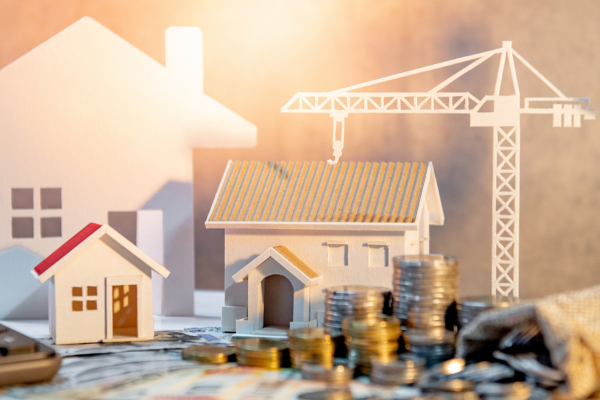
India's real estate sector has seen a remarkable transformation over the last three decades. From a largely unregulated and fragmented market in the late 1990s, it has grown into a more structured and accountable industry, reflecting both market maturity and rising buyer expectations. Advertisement


N. Nagabushana Reddy, Founder and Managing Director of NBR Group, has played a significant role in this evolution. His projects in Bengaluru, particularly along Sarjapur Road and Gunjur, focus on long-term planning, transparency, and sustainable development. Recently, at the Leadership Excellence Award Ceremony during the BHARAT 2.0 Conclave 2026 in Mumbai, he was honored with the Global Real Estate Icon award. This recognition emphasizes both his individual contributions and the broader transformation of real estate practices in India.
In the 1990s, buyers faced numerous challenges, including limited regulations, unclear land titles, and inconsistent project delivery. NBR Group was founded to address these gaps, prioritizing legal clarity and proper documentation when such practices were uncommon. The company initially focused on plotted developments, ensuring thorough due diligence and transparency to build buyer confidence. This disciplined approach created a foundation of trust, enabling consistent project delivery even during market fluctuations.
As cities expanded, the drawbacks of high-density construction became clear. Shifting lifestyles and greater awareness of environmental impact prompted a focus on balanced, livable spaces. NBR Group responded by developing projects like NBR Soul of the Seasons near the Sarjapur Road Gunjur IT corridor, integrating green and open areas to promote long-term livability. Modern construction technologies, such as aluminium formwork, were adopted to improve efficiency and structural quality, but the primary goal remained enhancing living conditions rather than maximizing built-up area.
Technology has also improved transparency in real estate. Buyers now have access to real-time project updates and streamlined processes, making transactions more predictable. However, human interaction continues to be essential, with effective customer support and accountability remaining central to maintaining trust, especially for long-term residential investments. Leadership is gradually transitioning to the next generation, including Dhanush Reddy, with a continued focus on balancing technology and consistent service standards.
The BHARAT 2.0 Conclave emphasized Leadership for a Trillion-Dollar Bharat, highlighting real estate's role in national development. Modern projects contribute not just to housing supply but also to employment, connectivity, and organized urban growth. Developers are increasingly expected to align their projects with broader economic and social objectives. Global recognition underscores the importance of maintaining high standards in quality, transparency, and environmental responsibility.
The real estate sector is gradually shifting from transactional practices to value-driven approaches. Long-term credibility now depends on ethical conduct, consistent delivery, and customer-centric practices. Developers are expected to prioritize sustainable planning, clear communication, and responsible execution elements that define both market reputation and long-term success.
The journey of Indian real estate over the past thirty years reflects a transition from uncertainty to structured growth. Companies that emphasize discipline, transparency, and long-term thinking have played a key role in this shift. As the sector continues to evolve, responsible development, better living standards, and alignment with national growth priorities remain central to its trajectory.
Source PTI

5th Jun, 2025

25th May, 2023

11th May, 2023

27th Apr, 2023
Advertisement








 Facebook
 Whatsapp
