Advertisement










When should a housing society in Mumbai start considering re...
From GST on JDAs to SEBI’s REIT reclassification and the S...
Stay ahead in the world of real estate with our daily podcas...
Stay ahead in the world of real estate with our daily podcas...
Metro rail projects proposed for Jammu and Srinagar are currently under review by the central government after detailed project reports were submitted. Prepared by RITES Ltd., the plans cover route alignment, ridership projections, land requirements and financial viability. The Jammu corridor between Bantalab and Bari Brahmana is expected to see strong passenger demand in the coming years. Similar groundwork has been completed for Srinagar. The projects are part of long-term efforts to improve urban transport in the region, though final approval is still awaited.
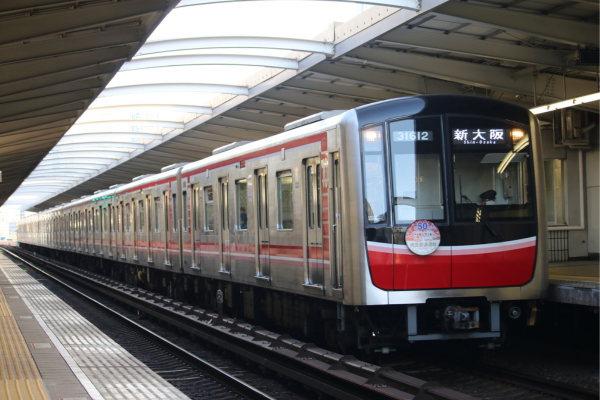
The proposed metro rail projects for Jammu and Srinagar are under consideration by the central government, as informed in the Jammu and Kashmir Legislative Assembly. The projects are intended to improve urban mobility in both cities and support future transport needs as population and traffic continue to grow. Advertisement


Detailed project reports (DPRs) for both cities have already been prepared by RITES Ltd. and submitted for appraisal. These reports include route planning, expected passenger traffic, cost estimates, land requirements and financial viability assessments. The submission of DPRs marks a key step, as central approval is required before any execution can begin.
For Jammu, detailed studies have been carried out, including traffic demand analysis, engineering surveys and feasibility checks. The DPR estimates that the metro system could handle a daily ridership of around 2.84 lakh passengers by 2035, indicating strong demand in the coming years. The project will require about 29.58 hectares of land on a permanent basis and an additional 1.50 hectares temporarily during construction. The Economic Internal Rate of Return has been assessed at 18.92 per cent, suggesting that the project is financially viable.
The proposed Jammu corridor is planned over a 23 km stretch between Bantalab and Bari Brahmana, with 22 stations along the route. The government clarified that there is no current plan to extend the line to Akhnoor. Any such expansion will require a separate feasibility study and fresh approval from the central government, indicating that the project is being taken forward in phases.
In Srinagar, similar preparatory work has been completed. This includes topographical surveys, traffic studies and financial analysis. The DPR for Srinagar has been finalised and submitted along with the Jammu proposal for review. Both projects are being assessed together as part of a broader plan to strengthen public transport in Jammu and Kashmir.
The metro proposals have been under discussion for several years. Earlier, there were considerations to implement a MetroLite system instead of a full-scale metro to reduce costs and match the urban requirements of the cities. This approach was seen as more practical given the size and projected ridership of Jammu and Srinagar.
The push for metro connectivity is part of wider infrastructure development in the region, which includes railway expansion, road upgrades and improved connectivity projects. These efforts aim to support economic growth, ease congestion and provide better travel options for residents.
Source PTI

5th Jun, 2025

25th May, 2023

11th May, 2023

27th Apr, 2023
Advertisement








 Facebook
 Whatsapp
