Advertisement








When should a housing society in Mumbai start considering re...
From GST on JDAs to SEBI’s REIT reclassification and the S...
Stay ahead in the world of real estate with our daily podcas...
Stay ahead in the world of real estate with our daily podcas...
Prime Minister Narendra Modi inaugurated and laid the foundation stone for multiple infrastructure and urban development projects worth around INR 33,500 crore in Delhi in the past week, combining metro network expansion with large-scale government housing redevelopment. The initiative includes the launch of two Delhi Metro corridors — the 12.3 km Majlis Park-Maujpur Babarpur stretch on the Pink Line and the 9.9 km Deepali Chowk–Majlis Park corridor on the Magenta Line — aimed at improving connectivity in north and north-east parts of the capital. In addition, the government initiated redevelopment works under the General Pool Residential Accommodation (GPRA) programme valued at about INR 15,200 crore, covering housing and office infrastructure in key government colonies. The projects form part of broader efforts to expand urban mobility and modernise central government housing assets across the national capital.
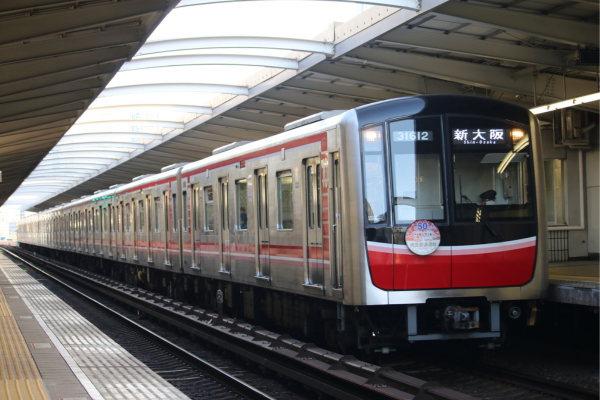
Prime Minister Narendra Modi in the past week inaugurated and laid the foundation stone for multiple infrastructure and urban development projects in Delhi worth approximately INR 33,500 crore, including new Delhi Metro corridors and large-scale redevelopment of government housing under the Centre's General Pool Residential Accommodation (GPRA) programme. The projects were announced at a public event in the capital and are aimed at strengthening transport connectivity while upgrading residential and office infrastructure for central government employees. Advertisement


A significant component of the announcement relates to the expansion of the Delhi Metro network. Two new corridors were inaugurated under the ongoing expansion programme: the 12.3 km Majlis Park–Maujpur Babarpur corridor on the Pink Line and the 9.9 km Deepali Chowk–Majlis Park corridor on the Magenta Line. These links connect several densely populated areas across north and north-east Delhi, including Burari, Jagatpur-Wazirabad, Khajuri Khas, Bhajanpura, Yamuna Vihar, Madhuban Chowk, Haiderpur Badli Mor and Bhalaswa. The additions strengthen last-mile connectivity and integrate these localities more closely with the wider metro network.
Alongside the inauguration of operational corridors, the Prime Minister also laid the foundation stone for three additional metro lines under Phase V-A of the Delhi Metro expansion programme. The planned corridors — the RK Ashram Marg–Indraprastha corridor, the Aerocity–Indira Gandhi International Airport Terminal 1 corridor, and the Tughlakabad–Kalindi Kunj corridor — together span roughly 16.1 km and are intended to extend connectivity across key urban zones and airport-linked transport routes.
Another major component of the INR 33,500 crore package involves redevelopment of central government housing and office facilities under the GPRA programme, with an investment of around INR 15,200 crore. The programme focuses on the modernisation and redevelopment of older government residential colonies to create higher-density housing along with upgraded civic infrastructure and office spaces. As part of the initiative, more than 2,700 newly constructed residential units in Sarojini Nagar and Kasturba Nagar were inaugurated, while additional office infrastructure has been developed at Netaji Nagar through new General Pool Office Accommodation towers.
The housing redevelopment projects are designed to replace ageing residential quarters built decades ago with contemporary apartment complexes that accommodate a larger number of government employees within the same land parcels. The redevelopment model also integrates residential towers with office buildings and supporting urban infrastructure such as internal roads, utilities and civic facilities.
Officials indicated that the broader development programme combines public transport expansion with government estate redevelopment to support Delhi's growing urban population and administrative infrastructure. With metro expansion continuing under new phases and housing redevelopment progressing across several government colonies, the initiative represents one of the larger recent infrastructure packages undertaken in the national capital.

5th Jun, 2025

25th May, 2023

11th May, 2023

27th Apr, 2023
Advertisement








 Facebook
 Whatsapp
