Advertisement






When should a housing society in Mumbai start considering re...
From GST on JDAs to SEBI’s REIT reclassification and the S...
Stay ahead in the world of real estate with our daily podcas...
Stay ahead in the world of real estate with our daily podcas...
Indian Highways Management Company Ltd (IHMCL), promoted by the National Highways Authority of India (NHAI), is preparing to introduce a barrier-less tolling system at more than 200 national highway fee plazas by FY27. The plan involves deploying Multilane Free Flow (MLFF) technology that allows vehicles to cross toll plazas without stopping. The system will rely on FASTag, RFID readers, and automatic number plate recognition cameras to collect tolls digitally. Authorities are issuing bundled tenders for multiple toll plazas to speed up implementation. The initiative is expected to improve traffic flow, reduce congestion at toll plazas, and strengthen digital toll collection on highways.
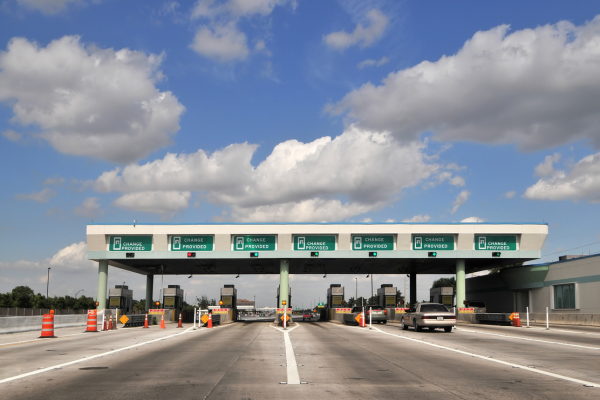
The Indian Highways Management Company Ltd (IHMCL), a company promoted by the National Highways Authority of India, is preparing to roll out a barrier-less tolling system at more than 200 national highway fee plazas by FY27. The project will use Multilane Free Flow (MLFF) technology, which allows vehicles to move through toll zones without stopping to make payments. Advertisement


Officials indicated that tenders for installing the MLFF system will be issued in bundled packages. Each bundle is expected to include about 10 to 12 toll plazas. This structure is intended to speed up implementation and allow deployment across a large number of locations within a shorter timeframe. Authorities are planning several such bundles so that the barrier-less system can be introduced at more than 200 plazas during the coming phases.
The MLFF tolling system works through a combination of FASTag, radio frequency identification (RFID) readers, and Automatic Number Plate Recognition (ANPR) cameras installed above highway lanes. These sensors capture the vehicle's FASTag information and registration number while it passes through the tolling point at normal driving speed. Once the vehicle crosses the zone, the system automatically records the transaction and processes the toll payment digitally.
Under the proposed structure, the toll transaction data will be transmitted to a bank or financial institution responsible for toll collection. The financial partner will then connect with the National Payments Corporation of India to debit the required toll amount from the FASTag wallet linked to the vehicle. The implementation model is expected to involve a partnership between a financial entity and a system integrator responsible for installing and operating the infrastructure at the toll plazas.
Work on the barrier-less tolling system has already started in phases. For FY26, authorities have planned to introduce the MLFF system at around 25 national highway fee plazas. Contracts for the installation of the system have already been awarded for 16 toll plazas. These initial projects will help test the system's operational efficiency before a wider rollout across the highway network.
Two pilot locations have also been undergoing final site acceptance testing. The Choryasi fee plaza on National Highway-48 in Gujarat and the Gharaunda fee plaza on National Highway-44 in Haryana are among the first locations where the MLFF tolling system is being implemented. These sites are expected to become operational soon and will serve as early examples of barrier-less tolling on Indian highways.
To support the new system, authorities have also linked the National Highways Fee Rules with the Central Motor Vehicles Rules. This integration creates a legal framework for enforcing electronic toll payments. Vehicles that do not comply with digital toll payment requirements may face restrictions under the updated rules.
The barrier-less tolling initiative is part of the government's broader effort to modernise highway infrastructure and strengthen digital toll collection systems. Over the past few years, India has gradually moved toward electronic tolling through FASTag. FASTag became mandatory at national highway toll plazas in 2021, which helped reduce manual toll collection and improved transaction speed.
The MLFF system is considered the next stage of this transition. By removing physical barriers at toll plazas, authorities aim to reduce long queues, minimise traffic delays, and ensure smoother movement of vehicles on busy national highway corridors. Officials have also indicated that future toll collection systems may integrate advanced technologies such as satellite-based tracking and automated vehicle identification to further improve toll operations.

5th Jun, 2025

25th May, 2023

11th May, 2023

27th Apr, 2023
Advertisement








 Facebook
 Whatsapp
