Advertisement










Private equity has played a significant role in shaping Indi...
In today’s real estate landscape, fitness is often treated...
In this episode of Prop Personalities, we sit down with Hars...
Luxury real estate is one of the most talked-about segments ...
Welcome to Prop Personalities by Prop News Time - a podcast ...
The Greater Cochin Development Authority (GCDA) has opened the sewage treatment plant (STP) at Jawaharlal Nehru International Stadium in Kaloor, Kochi to treat sewage from external sources, in response to the city's growing waste management crisis. Originally built to process only stadium waste, the plant has been upgraded to handle 750 kilolitres per day (KLD) of sewage. The decision follows directives from the National Green Tribunal (NGT) urging authorities to address the city's severe sewage treatment gap. Kochi generates about 82 million litres of sewage daily, but existing infrastructure treats only 3-6%, leaving the majority untreated. By opening the facility to outside sewage, GCDA aims to utilize the previously underused plant, reduce environmental pollution and generate revenue to support additional sewage treatment infrastructure.
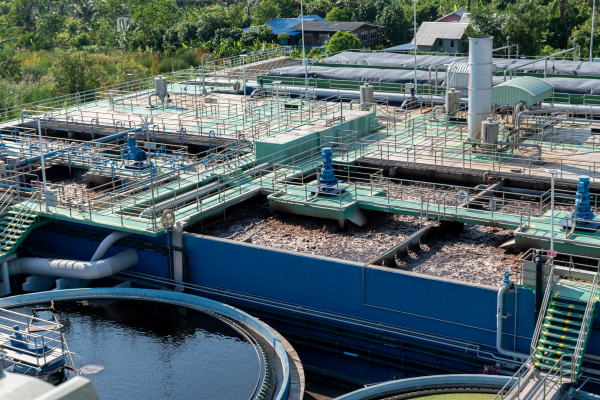
The Greater Cochin Development Authority (GCDA) has operationalised the sewage treatment plant (STP) at Jawaharlal Nehru International Stadium in Kaloor to process sewage from external sources, a move aimed at addressing the growing liquid waste crisis in Kochi. Advertisement


The facility, which was initially constructed to treat wastewater generated within the stadium complex, has now been upgraded to handle 750 kilolitres per day (750,000 litres) of sewage. Authorities decided to open the plant to external loads after recognising that it was operating far below its capacity while the city struggled with limited sewage treatment infrastructure.
The initiative follows directions from the National Green Tribunal (NGT) highlighting the urgent need for improved sewage management in Kochi. According to officials, the city produces approximately 82 million litres of sewage per day, but current treatment systems can process only 3% to 6% of that volume. As a result, more than 90% of sewage flows untreated into water bodies and the environment, posing significant health and environmental risks.
Although the Kaloor stadium plant will treat only a small portion around 1% of the city's daily sewage output officials view the step as an important starting point toward strengthening Kochi's wastewater management system. By making the plant operational for external loads, GCDA also hopes to transform what had been a costly and underutilized facility into a revenue-generating asset that could help fund future infrastructure projects.
Looking ahead, urban planners estimate that Kochi will require about 105 million litres per day (MLD) of sewage treatment capacity by 2041, with long-term demand possibly reaching 150-200 MLD as the city's population and urbanization increase. To meet these needs, GCDA plans to develop additional treatment facilities, potentially through public-private partnerships (PPPs).
Officials also indicated that public awareness campaigns will be launched to encourage community participation in waste management initiatives. Authorities believe that improving sewage treatment infrastructure and promoting responsible waste disposal are essential steps toward protecting public health and maintaining Kochi's urban environment.

5th Jun, 2025

25th May, 2023

11th May, 2023

27th Apr, 2023
Advertisement





 Facebook
 Whatsapp
