Advertisement






When should a housing society in Mumbai start considering re...
From GST on JDAs to SEBI’s REIT reclassification and the S...
Stay ahead in the world of real estate with our daily podcas...
Stay ahead in the world of real estate with our daily podcas...
The UAE's property market faces a critical test following Iranian missile strikes that shook investor confidence. The attacks disrupted Dubai and Abu Dhabi's reputation for stability and highlighted the market's reliance on foreign capital. Shares of major developers fell, and bond markets tightened. Off-plan sales, which previously dominated transactions, may now face slower demand. Despite past growth fueled by tax incentives and expatriate inflows, analysts warn that sustaining interest from non-resident buyers will be essential as new supply rises in the coming years.
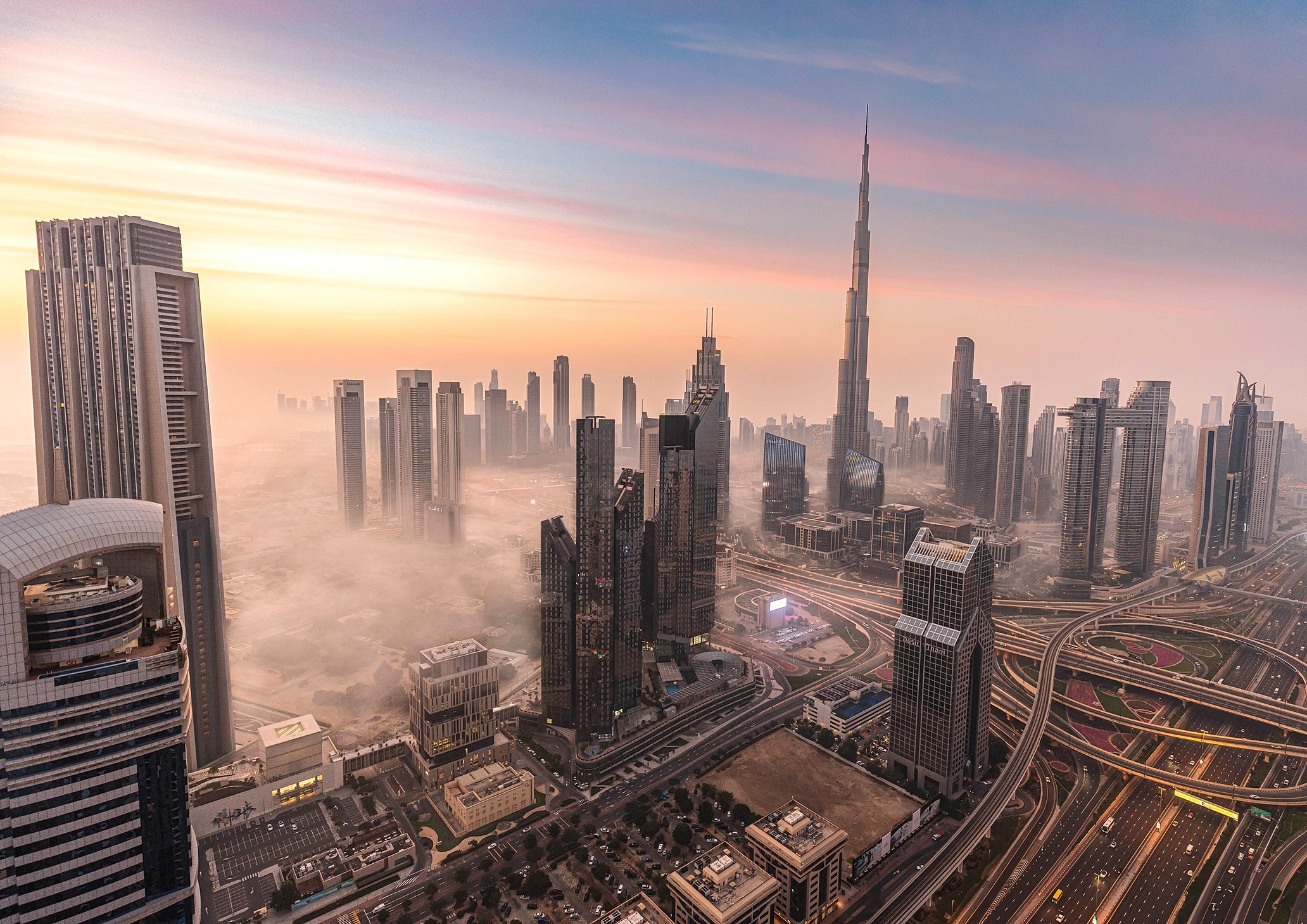
The UAE's long-running property boom is confronting its first major challenge following missile strikes from Iran that disrupted the Gulf's perception as a secure investment destination. The attacks targeted airports, ports, and residential zones in Dubai and Abu Dhabi, raising concerns among investors and highlighting the region's heavy reliance on foreign capital to sustain its construction surge. Advertisement


Previously, developers had been selling off-plan projects almost immediately, but the current situation has altered demand dynamics. Off-plan transactions accounted for 65% of Dubai's property sales in 2025, indicating that most buyers had purchased homes before construction completion. Analysts note that foreign buyer interest will now be pivotal in sustaining market momentum.
Shares of major UAE developers experienced a sharp decline. Aldar Properties, Abu Dhabi's largest listed developer, and Emaar Properties, the company behind downtown Dubai and the Burj Khalifa, both fell around 5%, while bonds from leading developers saw steep drops. Bond markets, a key funding source, are effectively closed for new issuance, with sector spreads widening significantly.
Some developers downplayed the impact. The CEO of Dar Global, responsible for multiple luxury projects across the Gulf, emphasized that market fundamentals in the Gulf Cooperation Council nations remain strong and that ongoing projects were not affected.
However, other industry voices indicated the effects were already evident. A senior real-estate banker revealed that his firm had paused a planned UAE capital raise, noting that investors were hesitant to commit to the region and that the risk premium on UAE property had risen substantially. He added that international lenders might reduce new loans, which could compel developers to sell assets if the geopolitical tension persists.
Over the past two decades, Dubai has transformed its skyline through ambitious developments such as Palm Jumeirah and Palm Jebel Ali, while Abu Dhabi steadily expanded its coastal infrastructure. The post-COVID property rally was fueled by tax-free policies, liberalized visas, and reforms designed to attract high-net-worth migrants. Wealthy Russians, global billionaires, family offices, and hedge funds were drawn to the UAE for its favorable tax regime and investor-friendly environment.
By 2025, the UAE population exceeded 11 million, with expatriates representing nearly 90%, one of the highest proportions worldwide. Property prices saw substantial growth: Dubai residential prices rose about 60% between 2022 and early 2025, and continued increasing by nearly 13% year-on-year in the fourth quarter of 2025. Abu Dhabi prices increased nearly 32% over the same period. Analysts caution that the true impact of the geopolitical events will become clear once investor confidence stabilizes.
Even before the strikes, concerns were growing over supply outpacing population growth. Dubai is expected to add 300,000-400,000 new units by 2028, and economists stressed that sustaining foreign interest will be critical. The ongoing supply wave is set to increase from the second half of this year and remain substantial for the next two years, highlighting the reliance on expatriates and non-resident buyers.
Experts emphasized that real estate investment depends heavily on stability and investor confidence, both of which tend to weaken during periods of prolonged geopolitical uncertainty.
Source Reuters

5th Jun, 2025

25th May, 2023

11th May, 2023

27th Apr, 2023
Advertisement








 Facebook
 Whatsapp
