Advertisement










Private equity has played a significant role in shaping Indi...
In today’s real estate landscape, fitness is often treated...
In this episode of Prop Personalities, we sit down with Hars...
Luxury real estate is one of the most talked-about segments ...
Welcome to Prop Personalities by Prop News Time - a podcast ...
A scientific study by the Indian Institute of Science has raised concerns about a possible groundwater shortage in several parts of Bengaluru, identifying around 65 wards that could face supply stress during the coming summer months. The findings show a steady fall in groundwater levels due to heavy dependence on borewells and rising urban demand. In response, the Bangalore Water Supply and Sewerage Board has prepared an emergency plan worth about INR 10 crore. The plan includes tanker deployment, stricter monitoring of borewells, faster water connections, and conservation measures to manage potential shortages.
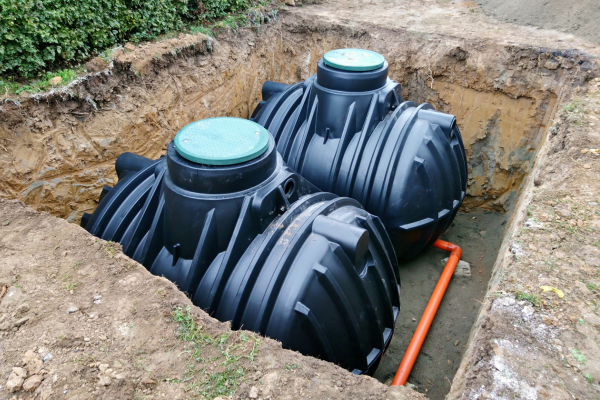
A recent study conducted by the Indian Institute of Science has warned that several areas in Bengaluru may face a groundwater shortage if current extraction levels continue. The research identified about 65 wards where groundwater levels are expected to decline sharply during the upcoming summer season. Following the warning, the Bangalore Water Supply and Sewerage Board prepared an emergency response plan estimated at around INR 10 crore to manage supply in the affected areas. Advertisement


The assessment used Artificial Intelligence and Internet of Things based groundwater monitoring systems that analyse real-time data from different parts of the city. Researchers observed a steady fall in groundwater levels in several residential zones, particularly in densely populated neighbourhoods and fast-growing suburban areas where dependence on borewells remains high. Areas including Jakkur, KR Puram, Koramangala and parts of Peenya were highlighted among the wards where water levels are showing signs of stress.
Data analysed in the study shows that a large share of the city's water demand is still met through groundwater extraction. Nearly 800 million litres of water are estimated to be drawn daily from thousands of borewells across the city. Many apartment clusters and residential layouts, particularly in outer zones such as Whitefield and other expanding suburbs, depend heavily on borewell supply because piped water coverage remains limited in some locations.
Officials explained that the rapid expansion of residential developments and population growth in these areas has increased the pressure on groundwater reserves. As more borewells are drilled to meet rising demand, water levels in several wards have been falling faster, especially during the dry season when rainfall recharge is limited.
After reviewing the findings, the Bangalore Water Supply and Sewerage Board prepared a set of immediate measures to ensure that residents in vulnerable wards continue to receive water supply. The board plans to increase tanker-based distribution in areas where borewells may run dry and establish temporary water distribution points if shortages occur. Officials have also been directed to inspect pipelines, identify leakages and ensure that water infrastructure is functioning properly.
Another step under the plan involves identifying properties that do not have formal water connections. Authorities intend to prioritise such properties for new connections so that dependence on private borewells can gradually reduce. Apartment complexes that currently rely on groundwater are also expected to receive faster approvals for piped supply connections wherever feasible.
The emergency plan also includes arrangements for slum areas and high-density neighbourhoods. Temporary storage tanks and distribution points are expected to be installed to ensure access to drinking water if groundwater supply becomes unreliable in those locations.
Conservation measures are another key part of the response. Authorities have placed restrictions on the use of potable water for activities such as washing vehicles, watering gardens and cleaning building premises. Construction sites in the city are being instructed to use treated water instead of freshwater. Public institutions, malls and religious places are also being encouraged to install aerators on taps to reduce daily water consumption.
In addition to supply management, the authorities plan to improve groundwater recharge by directing treated water into selected lakes and water bodies. This step is intended to help stabilise underground water levels and support natural replenishment over time.
The current action plan also reflects lessons from the severe water shortage experienced in the city during the previous summer, when many neighbourhoods depended heavily on tanker supply after several borewells dried up. Since then, the city's water utility has been working with scientific institutions to adopt technology-based monitoring tools that can predict water stress in advance.
Officials indicated that the use of data-driven monitoring systems will help identify high-risk wards earlier and allow targeted interventions before shortages become severe. The latest study is being used as a reference to guide supply planning and conservation efforts during the coming months.

5th Jun, 2025

25th May, 2023

11th May, 2023

27th Apr, 2023
Advertisement





 Facebook
 Whatsapp
