Advertisement






When should a housing society in Mumbai start considering re...
From GST on JDAs to SEBI’s REIT reclassification and the S...
Stay ahead in the world of real estate with our daily podcas...
Stay ahead in the world of real estate with our daily podcas...
Dubai's rental market continues to demonstrate resilience during Ramadan and the spring shoulder season, challenging the long-held view of a post-winter slowdown. Market data indicates that the first four months of the year account for over 80 per cent of annual rental activity, with March alone contributing nearly 37 per cent of new listings and lease signings. While Ramadan alters transaction rhythms, it has not reduced overall demand. Short-term rentals remain active, particularly in prime locations such as Downtown Dubai, Dubai Marina and Palm Jumeirah, where occupancy has risen by 10-23 per cent. Modest price softening of 2-3 per cent compared to February levels has supported market stability. The period is increasingly characterised by longer lease tenures, disciplined pricing and a shift towards professional, data-driven rental management.
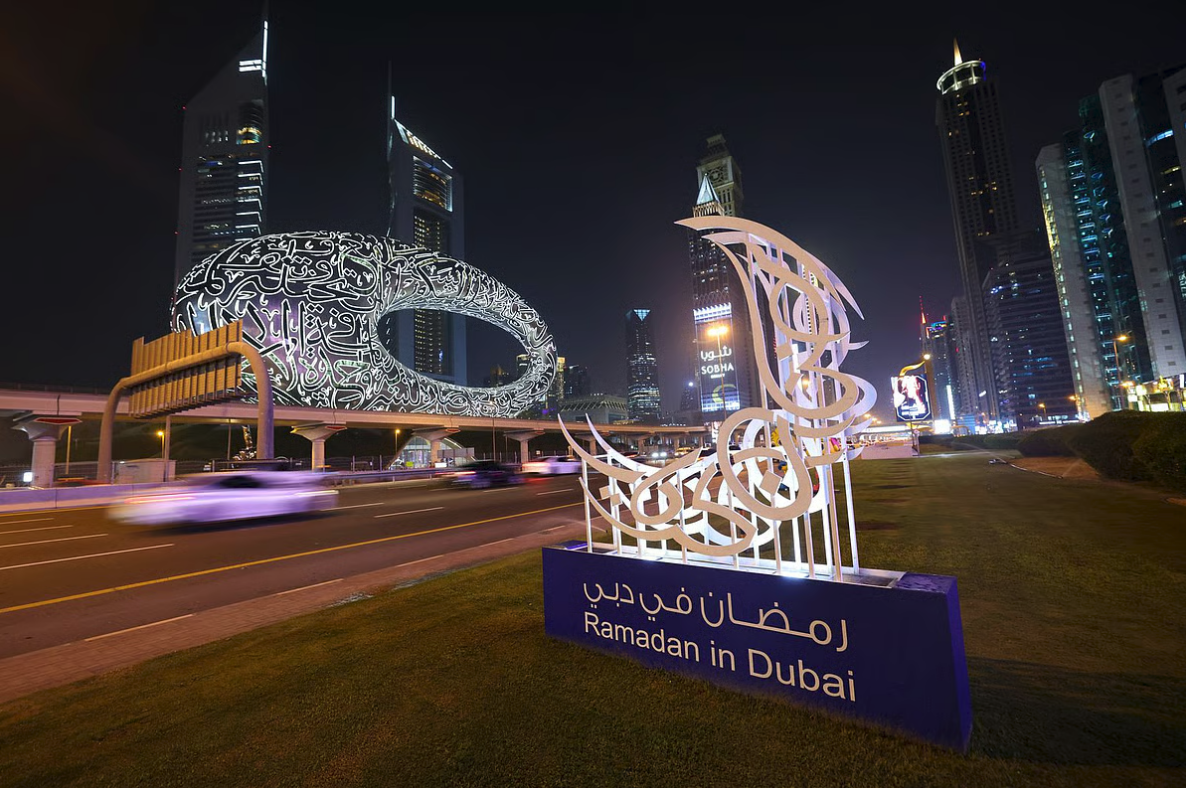
Dubai's rental residential market is navigating Ramadan and the spring shoulder season with notable stability, reflecting a maturing ecosystem shaped by data transparency, diversified tenant profiles and evolving leasing behaviour across the emirate. Advertisement


Market analytics show that the period from January to April remains the most active phase for leasing activity in Dubai. March, in particular, has emerged as a high-liquidity month, accounting for nearly 37 per cent of annual rental listings, while the first four months together represent more than 80 per cent of yearly rental transactions. This pattern suggests that demand has not weakened following the winter peak, but has instead transitioned into a recalibrated phase ahead of the summer slowdown.
Ramadan continues to influence the pace rather than the volume of transactions. Reduced working hours and elongated decision-making timelines have moderated viewing activity, yet contracts continue to be executed across residential segments. The short-term rental market has remained resilient, supported by inflows from expatriates, GCC residents and families visiting the city for religious and social gatherings. Occupancy levels in this segment have remained above 50 per cent of average capacity during the holy month.
Prime residential districts have recorded stronger performance. Occupancy levels during Ramadan have increased by 10-18 per cent in Downtown Dubai, 11-16 per cent in Dubai Marina and 15-23 per cent in Palm Jumeirah, indicating sustained preference for infrastructure-rich, centrally located communities among both corporate and leisure tenants. While short-term rental rates have softened marginally, higher occupancy has helped landlords preserve overall yields.
March and April have also marked a phase of price stabilisation. Average monthly apartment rents have declined by around 2-3 per cent compared to February levels, reflecting selective adjustments rather than broad-based corrections. At the same time, demand has shifted towards longer lease tenures of six to twelve months, as tenants prioritise budget certainty ahead of school cycles, employment commitments and post-Ramadan business activity.
Industry participants note that Ramadan now redistributes demand rather than suppressing it. Elena Fadeeva, Head of Sales at Colife, said that while impulsive leasing decisions reduce during this period, strategic transactions increase, with realistically priced assets continuing to achieve stable occupancy.
Overall, Dubai's rental market no longer conforms to a simple high-season versus low-season cycle. The Ramadan and shoulder-season phase has become a stress test for pricing discipline and portfolio management. Current indicators suggest that the market is absorbing this transition with resilience, reinforcing its structural stability and long-term investment appeal.

5th Jun, 2025

25th May, 2023

11th May, 2023

27th Apr, 2023
Advertisement








 Facebook
 Whatsapp
