Advertisement










When should a housing society in Mumbai start considering re...
From GST on JDAs to SEBI’s REIT reclassification and the S...
Stay ahead in the world of real estate with our daily podcas...
Stay ahead in the world of real estate with our daily podcas...
Real estate developers in Odisha have urged the state government to simplify and speed up the land conversion process, highlighting delays and rising costs due to multiple approvals. Industry bodies say the current system involves several departments, outdated records, and inconsistent decisions, which slow down project timelines. Developers have recommended adopting models followed in states like Maharashtra and Karnataka, where conversion is linked with building approvals. They believe these reforms can improve transparency, reduce costs, and support faster growth in cities such as Bhubaneswar where real estate demand is increasing steadily.
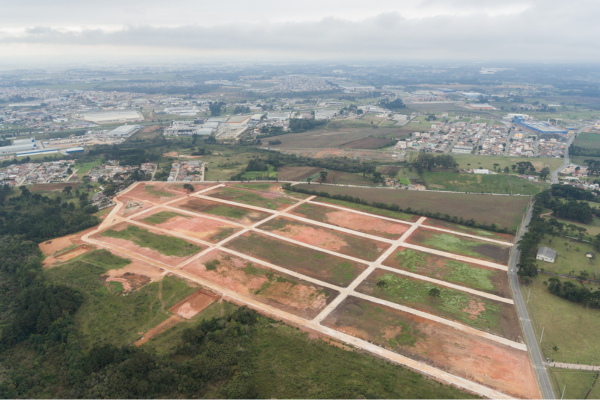
Real estate developers in Odisha have called for urgent reforms in the land conversion process, stating that the existing system continues to delay projects and increase overall development costs. Industry representatives have pointed out that the current framework requires multiple approvals from different departments, making the process lengthy and difficult to manage. Advertisement


Developers have highlighted that permissions are needed from both development authorities and revenue departments, along with field-level verification. This multi-layered structure often leads to delays, as files move across departments without a fixed timeline. As a result, project execution gets pushed, impacting both developers and homebuyers waiting for timely delivery.
Another major concern raised by the industry is the condition of land records. In many cases, outdated or unclear records create confusion during the conversion process. Developers also face inconsistent decisions across local authorities, which adds uncertainty and affects planning. Issues related to conversion of leasehold land into freehold have also been flagged, as they create challenges in financing and property transactions.
Industry bodies, including the Odisha Developers Federation (ODFED), have suggested that the state should adopt a more streamlined system similar to Maharashtra and Karnataka. In these states, land conversion is either integrated into building plan approvals or allowed based on master plans, reducing the need for separate permissions. Developers believe that adopting such a system can significantly cut down approval timelines.
They have also explained that once land use is defined under a master plan, requiring separate conversion approvals creates duplication. Integrating both processes can make approvals faster and reduce administrative burden. This step is seen as important to improve ease of doing business in the state's real estate sector.
The demand for reform comes at a time when cities like Bhubaneswar are witnessing steady growth in housing and commercial development. However, developers say that regulatory delays continue to act as a key bottleneck, limiting the pace at which projects can be launched and completed.
In addition, developers have pointed out that frequent regulatory changes and strict planning norms add to project uncertainty. This increases holding costs for developers and can eventually impact property prices for buyers. A more predictable and transparent system, they say, will help improve confidence among investors and financial institutions.
The issue also reflects broader concerns in Odisha's real estate sector, where delays in approvals and land-related clearances have been raised earlier as well. Developers believe that timely reforms in land conversion rules can support faster project execution and better urban development planning.

5th Jun, 2025

25th May, 2023

11th May, 2023

27th Apr, 2023
Advertisement








 Facebook
 Whatsapp
