Advertisement










When should a housing society in Mumbai start considering re...
From GST on JDAs to SEBI’s REIT reclassification and the S...
Stay ahead in the world of real estate with our daily podcas...
Stay ahead in the world of real estate with our daily podcas...
Mumbai's Metro network has expanded its digital ticketing ecosystem by enabling commuters to book Metro Line 2A and 7 tickets directly through the Uber app via ONDC. This integration allows QR-based ticketing with a 50% discount up to INR 10, improving convenience and reducing paper usage. Supported by multiple platforms including Mumbai One App and WhatsApp ticketing, the initiative strengthens first- and last-mile connectivity. Officials from the state government and MMRDA highlighted its role in creating a unified, commuter-friendly digital transport ecosystem across Mumbai.
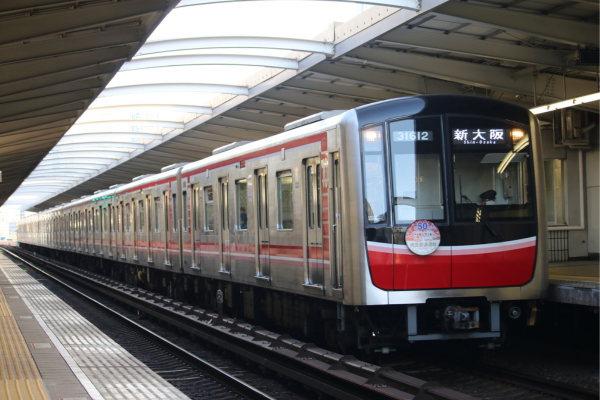
Mumbai's Metro system has expanded its digital mobility framework by allowing commuters to book tickets for Metro Lines 2A and 7 through the Uber app using integration enabled via ONDC. This development was announced by Hon’ble Chief Minister Devendra Fadnavis, marking a step toward improving commuter convenience and last-mile connectivity. Advertisement


With this integration, users can plan and complete their journeys on a single platform, covering both first-mile and last-mile travel needs. The system supports QR-code based ticketing, allowing passengers to book Metro tickets digitally while reducing dependency on physical tickets and long queues. A promotional benefit offering an instant discount of up to INR 10 or 50% has also been introduced for users booking through the Uber app.
Mumbai has already established a broader digital transport ecosystem through the Mumbai One App, which integrates suburban railways, metro services, buses, and monorail under one interface. Alongside this, commuters can also use WhatsApp-based ticketing and the Mumbai One Card (National Common Mobility Card NCMC) for cashless travel across multiple transport modes. These systems collectively aim to simplify urban commuting by offering multiple access points for ticketing and journey planning.
Metro ticketing services are already accessible through several ONDC-enabled platforms including Yatri, Ixigo, Navi, EMT, Tummoc, Tripozo, One Ticket, Autope, Magicpin, Chalo, RedBus, Highway Delite, and Pelocal. Additional platforms such as ConfirmTkt, EaseMyTrip, RedRail, Vodafone Idea, and WhatsApp-based ticketing via Pelocal are also part of this ecosystem. With the inclusion of Uber, commuters now have wider flexibility to choose their preferred application for accessing Metro services.
Officials from Eknath Shinde, who also serves as Chairman of MMRDA, stated that improving last-mile connectivity is essential to increasing public transport adoption. The integration is expected to help bridge gaps between Metro stations and commuters final destinations, supporting smoother travel across the Mumbai Metropolitan Region.
According to Dr. Sanjay Mukherjee, IAS, Metropolitan Commissioner of MMRDA, the initiative represents progress toward a unified multimodal transport ecosystem. He noted that digital integration across platforms such as Uber, Mumbai One App, and WhatsApp ticketing ensures that Metro services remain accessible at any time. He also highlighted that nearly 72% of tickets for Lines 2A and 7 are already booked through digital channels, reflecting a shift toward paperless commuting and improved environmental outcomes.
Smt. Rubal Agarwal, IAS, Managing Director of MMMOCL, indicated that integrating with Uber through ONDC aligns with efforts to use technology for enhancing commuter experience. She added that as the Metro network expands, such digital solutions will play an important role in improving accessibility and efficiency.
Currently, Mumbai Metro Lines 2A and 7 serve over 3.5 lakh passengers daily. The network is expected to grow further with upcoming Lines 2B and 9, which are planned to become operational in the near future. Alongside infrastructure expansion, authorities are also focusing on supporting facilities such as BEST bus connectivity, foot overbridges, and parking infrastructure at Metro stations to strengthen first- and last-mile access.

5th Jun, 2025

25th May, 2023

11th May, 2023

27th Apr, 2023
Advertisement








 Facebook
 Whatsapp
