Advertisement










When should a housing society in Mumbai start considering re...
From GST on JDAs to SEBI’s REIT reclassification and the S...
Stay ahead in the world of real estate with our daily podcas...
Stay ahead in the world of real estate with our daily podcas...
India's container rail logistics sector is facing operational pressure due to the ongoing West Asia conflict, which has disrupted export cargo movement and global shipping routes. A sharp increase in idle rakes and empty train movements has been reported as shipments to affected regions slow down. Container train operators are dealing with inefficiencies, including reverse cargo movement under the back to town provision. The industry has approached the Ministry of Railways for relief. The situation reflects how global disruptions are directly affecting India's logistics and supply chain operations.
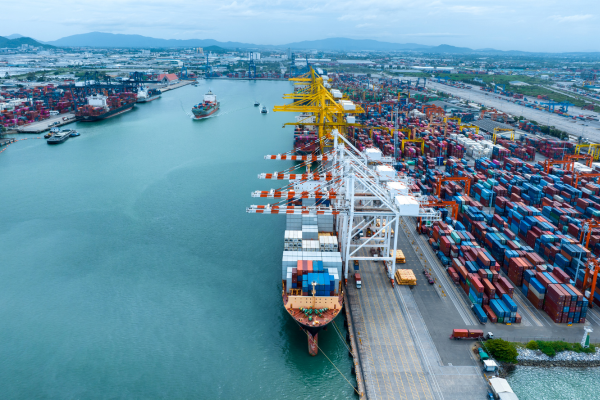
India's container rail logistics sector is seeing a slowdown in operations as the ongoing West Asia conflict begins to affect export cargo movement and port-linked rail activity. The impact is visible in reduced cargo availability and a noticeable rise in idle railway assets. Advertisement


More than 50 container train rakes were reported to be idle during the past week due to lack of cargo. Under normal conditions, only about 4-5 rakes remain parked temporarily for operational adjustments. This sharp increase highlights a sudden drop in export volumes, particularly for shipments linked to West Asian trade routes.
The disruption is linked to the ongoing tensions involving the United States and Iran, which have affected key maritime routes and created uncertainty in global shipping schedules. As a result, vessel movements have been delayed or rerouted, leading to fewer containers reaching Indian ports for inland rail transportation.
Container train operators are also facing the issue of trains running with low utilisation or being held back at terminals. This has impacted turnaround time and overall efficiency, as the container rail system depends on steady cargo flow between ports and inland destinations.
An additional challenge has emerged with exporters opting to return shipments. Under the back to town provision, consignments are being brought back to origin after facing delays or uncertainty in reaching their destinations. This has increased reverse logistics movement, adding pressure on an already strained rail network.
The disruption is not limited to railways alone. Global shipping has been affected due to longer routes, higher insurance costs, and increased freight rates. These factors have reduced export competitiveness and slowed cargo movement across supply chains. Sectors dependent on timely exports are also seeing delays and planning challenges.
India's logistics network has strong trade linkages with West Asia, especially for exports and energy supplies. Any instability in the region tends to directly impact cargo volumes, shipping timelines, and overall logistics efficiency. Similar disruptions were observed during earlier geopolitical tensions, where supply chains faced delays and cost escalations.
Industry body Association of Container Train Operators has approached the Ministry of Railways seeking support to manage the current situation. The operators have requested relief measures such as operational flexibility and possible cost-related support to handle reduced volumes and rising inefficiencies.
In recent years, infrastructure developments such as dedicated freight corridors and improved port connectivity have strengthened rail logistics. However, the current situation shows that external global risks continue to influence domestic operations despite these improvements.

5th Jun, 2025

25th May, 2023

11th May, 2023

27th Apr, 2023
Advertisement








 Facebook
 Whatsapp
