Advertisement








When should a housing society in Mumbai start considering re...
From GST on JDAs to SEBI’s REIT reclassification and the S...
Stay ahead in the world of real estate with our daily podcas...
Stay ahead in the world of real estate with our daily podcas...
Nitin Gadkari has advocated increased utilisation of municipal and legacy waste in road construction to reduce dependence on natural resources. Speaking at an event in New Delhi, he indicated that the government has already processed around 80 lakh tonnes of waste, including material from landfill sites such as Ghazipur landfill. The processed waste has been deployed in infrastructure projects including the Delhi-Mumbai Expressway and Delhi-Dehradun Expressway. The initiative is positioned as a step towards sustainable construction practices while addressing urban waste management challenges.
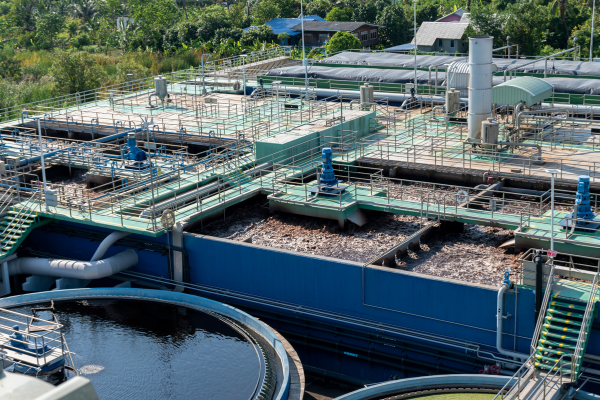
Nitin Gadkari has urged greater adoption of municipal waste in road construction, highlighting its potential to reduce reliance on natural resources and address urban waste challenges. Advertisement


Speaking at a convocation event in New Delhi, the minister indicated that legacy waste, particularly from large landfill sites, can be effectively processed and repurposed for infrastructure development. He noted that such initiatives not only contribute to sustainable construction practices but also help mitigate environmental concerns associated with long-standing waste accumulation.
The minister referred to the presence of major legacy waste sites in Delhi, including the Ghazipur landfill, which has been a focal point of waste management efforts. He stated that the government has undertaken the segregation and processing of approximately 80 lakh tonnes of municipal waste, enabling its reuse in construction applications.
According to Gadkari, processed waste materials have already been utilised in sections of key national infrastructure projects such as the Delhi-Mumbai Expressway and the Delhi-Dehradun Expressway. These projects demonstrate the feasibility of integrating recycled materials into large-scale road construction while maintaining required engineering standards.
He indicated that the approach forms part of a broader strategy to reduce dependence on natural aggregates, which are traditionally sourced through mining and quarrying. By substituting a portion of these materials with processed municipal waste, the construction sector can limit resource extraction while simultaneously addressing waste disposal challenges.
The initiative aligns with ongoing efforts to promote circular economy principles within infrastructure development. The reuse of municipal waste not only reduces landfill burdens but also offers cost efficiencies in material sourcing, particularly for large highway projects where aggregate requirements are substantial.
Gadkari further indicated that the ministry is encouraging wider adoption of such practices across road construction projects in the country. The use of recycled materials is expected to gain traction as urban centres continue to generate significant volumes of waste, necessitating scalable and sustainable disposal solutions.
The integration of waste into infrastructure projects also reflects a growing emphasis on environmentally responsible construction practices in India's infrastructure sector. As policymakers and developers increasingly focus on sustainability, such initiatives are likely to play a larger role in shaping future project execution.
The move highlights the intersection of urban waste management and infrastructure development, offering a dual benefit of resource conservation and environmental remediation while supporting the country's expanding road network.
Source - PTI

5th Jun, 2025

25th May, 2023

11th May, 2023

27th Apr, 2023
Advertisement








 Facebook
 Whatsapp
