Advertisement








When should a housing society in Mumbai start considering re...
From GST on JDAs to SEBI’s REIT reclassification and the S...
Stay ahead in the world of real estate with our daily podcas...
Stay ahead in the world of real estate with our daily podcas...
Chennai has introduced a premium low-floor electric air-conditioned bus service operated by the Metropolitan Transport Corporation (MTC), marking a new category of reserved-seat urban public transport in the city. The service, launched in the past week by Tamil Nadu's Transport and Electricity Minister S. S. Sivasankar, begins operations with electric buses running on two major routes linking key transport nodes and the IT corridor. Initial services include Route P91 connecting Kalaignar Centenary Bus Terminus, Kilambakkam, with Thiruvanmiyur, and Route P570S between Koyambedu's Chennai Mofussil Bus Terminus and Siruseri IT Park. The premium buses require advance seat reservations through a mobile application and do not permit standing passengers. Authorities stated that the initiative aims to offer a more comfortable and predictable commuting option while encouraging a shift from private vehicles to cleaner public transport modes.
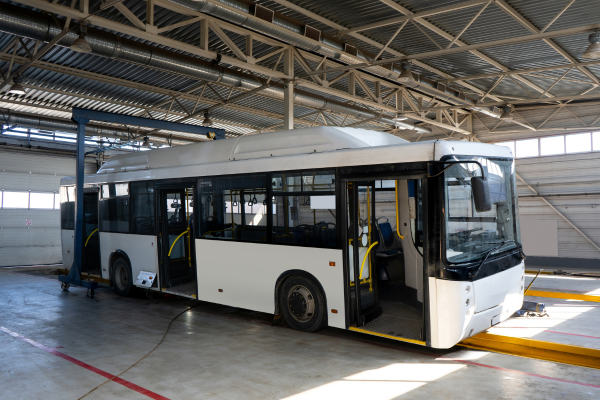
The Metropolitan Transport Corporation (MTC) has launched a premium low-floor electric air-conditioned bus service in Chennai, introducing a reserved-seat category within the city's public transport system to improve commuter comfort and encourage greater use of public mobility options. The service was inaugurated in the past week by Tamil Nadu Transport and Electricity Minister S. S. Sivasankar and Tourism Minister R. Rajendran through video conferencing, marking the introduction of a new electric bus category in the city's transport network. Advertisement


The new service begins with a small fleet of electric AC buses operating on two routes that connect key transport hubs and employment corridors. Route P91 links the Kalaignar Centenary Bus Terminus at Kilambakkam with Thiruvanmiyur, while Route P570S connects the Chennai Mofussil Bus Terminus at Koyambedu with Siruseri IT Park along the city's information technology corridor. Authorities indicated that these routes were selected because they experience high daily commuter traffic, particularly from office workers travelling between residential suburbs and major employment centres.
The buses operate on a reserved-seat model and do not allow standing passengers. Commuters are required to book seats in advance through the Chennai One mobile application, with reservations available up to five days before travel. This system is intended to ensure that passengers are guaranteed seating and to improve predictability in daily commuting compared with conventional city bus services that often operate at high occupancy levels.
Ticket prices vary according to travel distance, with fares ranging between INR 50 and INR 150. Transport officials indicated that the premium pricing structure reflects the enhanced onboard facilities and the reserved seating arrangement offered through the service.
The electric buses have been equipped with several passenger amenities aimed at improving travel comfort and safety. These include free Wi-Fi connectivity, USB charging ports, GPS-based tracking systems, CCTV surveillance cameras, panic buttons and digital passenger information displays. The vehicles also feature low-floor designs intended to improve accessibility for elderly passengers, persons with disabilities and other commuters requiring step-free entry.
Transport authorities stated that the initiative forms part of Chennai's broader efforts to modernise its public transport network and expand the use of electric vehicles in urban mobility systems. The introduction of electric buses is expected to reduce tailpipe emissions while offering a quieter and more energy-efficient alternative to conventional diesel buses.
Officials indicated that the premium electric bus service has initially been introduced on a trial basis. Passenger demand and operational performance will be assessed before the service is expanded to additional routes in the city. If the response from commuters is favourable, more corridors particularly those connecting residential zones with major employment clusters may be included in future phases of the programme.
The new service represents a shift in Chennai's public transport strategy, where authorities are attempting to provide differentiated bus services alongside conventional routes. By combining reserved seating, digital booking systems and electric mobility technology, the initiative aims to attract commuters who might otherwise rely on private vehicles for daily travel.

5th Jun, 2025

25th May, 2023

11th May, 2023

27th Apr, 2023
Advertisement







 Facebook
 Whatsapp
