Advertisement








When should a housing society in Mumbai start considering re...
From GST on JDAs to SEBI’s REIT reclassification and the S...
Stay ahead in the world of real estate with our daily podcas...
Stay ahead in the world of real estate with our daily podcas...
The government is reconsidering tenders for 1 GW of wind energy projects due to lower than expected industry interest and rising steel prices, a crucial material for project construction. MNRE is engaging with the World Bank and think tanks to create a roadmap for investment in wind energy. Alongside, the ministry is preparing a new policy to promote small hydro projects up to 25 MW. Financial assistance for solar component manufacturing, such as ingots and wafers, is also under consideration, reflecting a comprehensive approach to boost renewable energy development in India.
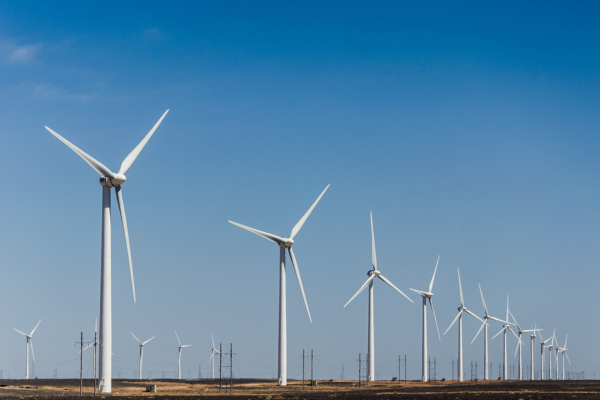
The government is reviewing its plan to launch tenders for 1 GW of wind energy projects, according to a senior official. The official explained that while the tenders are prepared, authorities are reassessing whether to move forward with them. Advertisement


Discussions with industry stakeholders suggest that the level of interest in these projects may not be as strong as it was in previous rounds. One key factor influencing bidder interest is the rising cost of steel over recent years, which is a critical material for both offshore and onshore wind energy projects, particularly in tower construction.
The Ministry of New and Renewable Energy (MNRE) has been consulting with the World Bank and several think tanks to develop a roadmap aimed at boosting investments in the wind energy sector. In addition, the ministry is working on a new initiative to encourage small hydro projects across the country. A policy for hydro projects up to 25 MW is expected to be launched shortly.
The government is also considering financial support for the manufacturing of ingots and wafers, which are essential components in solar modules. These steps indicate a broader effort to strengthen renewable energy infrastructure and promote investment in both wind and solar energy.
Source PTI
FAQ
1. Why is the government reconsidering the 1 GW wind energy tenders?
The government is reviewing plans for 1 GW of wind energy projects due to lower than expected industry interest and rising steel prices, which have increased construction costs for wind turbine towers and related infrastructure. These factors have prompted authorities to reassess the timing and structure of the tenders.
2. What role does steel play in wind energy projects?
Steel is a critical material in the construction of wind turbine towers, foundations, and other structural components. Rising steel prices significantly increase project costs, affecting profitability and investor interest, particularly for large-scale wind projects.
3. How is MNRE addressing the issue?
The Ministry of New and Renewable Energy (MNRE) is engaging with the World Bank and various think tanks to develop a roadmap for boosting investment in the wind energy sector. These consultations aim to identify measures that can make wind projects more financially attractive and feasible in the current market scenario.
4. What other renewable energy initiatives are being planned?
Alongside wind energy, MNRE is preparing a new policy to promote small hydro projects up to 25 MW. Additionally, the ministry is considering financial assistance for solar component manufacturing, including ingots and wafers, to strengthen the solar supply chain and overall renewable energy capacity.
5. How will these measures impact renewable energy development in India?
By combining support for wind, small hydro, and solar manufacturing, the government aims to boost investment, improve project viability, and accelerate renewable energy capacity growth across India. This holistic approach is designed to balance financial feasibility with long-term sustainability goals.
6. When can the new policies or tender revisions be expected?
The government is actively consulting stakeholders and preparing the policies. While no specific dates have been announced, the hydro policy for projects up to 25 MW is expected to be launched shortly, and updates regarding the wind energy tenders will likely follow once a viable roadmap is finalized.

5th Jun, 2025

25th May, 2023

11th May, 2023

27th Apr, 2023
Advertisement








 Facebook
 Whatsapp
